
U.S. Military Activities Near Venezuela Raise Concerns
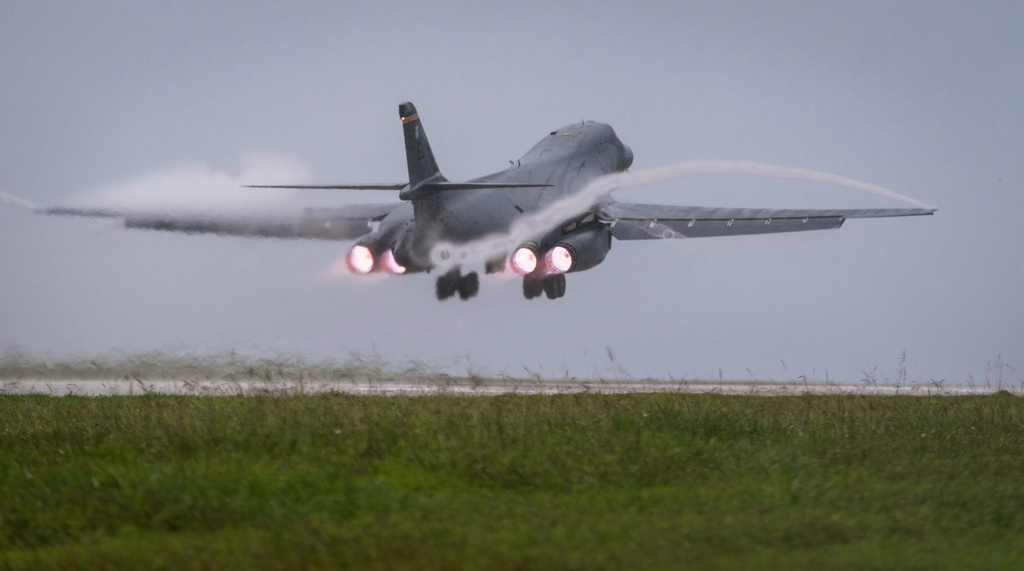
The U.S. military has been conducting a series of operations near the coast of Venezuela, raising questions about its intentions in the region. On Thursday, a pair of supersonic, heavy bombers flew up to the coast of Venezuela, following a similar mission just over a week earlier as part of a training exercise. This move has sparked speculation that the Trump administration may be preparing for a more aggressive stance against Venezuelan President Nicolás Maduro.
Increased Military Presence in the Region
The U.S. has significantly increased its military presence in the Caribbean Sea and the waters off Venezuela. This buildup has led to rumors that President Donald Trump could be considering actions to remove Maduro from power. Maduro is currently facing charges of narcoterrorism in the United States, which adds another layer of complexity to the situation.
In addition to the bomber flights, the U.S. military has been carrying out lethal strikes on vessels in the waters off Venezuela since early September. These strikes are part of an effort to combat drug trafficking, according to Trump. The administration claims these actions are necessary to disrupt the flow of drugs into the U.S.
Details of the Recent B-1 Bomber Flight
According to flight tracking data, a pair of B-1 Lancer bombers took off from Dyess Air Force Base in Texas on Thursday and flew through the Caribbean before reaching the coast of Venezuela. A U.S. official confirmed the training flight of B-1s in the Caribbean, though they spoke on condition of anonymity due to the sensitive nature of the operation.
The B-1 bomber is one of the most powerful aircraft in the U.S. military inventory, capable of carrying more bombs than any other plane. This capability makes it a significant asset in any potential military action.
Additional Military Operations in the Area
A similar flight involving slower B-52 Stratofortress bombers was conducted in the region last week. These bombers were joined by Marine Corps F-35B stealth fighter jets, which are based in Puerto Rico. The Pentagon described the event as a "bomber attack demo" and shared photos online.
When asked about the B-1 flight and whether it was meant to increase military pressure on Venezuela, Trump denied the suggestion but acknowledged that the U.S. is not satisfied with Venezuela for various reasons, including the issue of drug trafficking.
U.S. Forces in the Caribbean
The U.S. force in the Caribbean includes eight warships, P-8 maritime patrol aircraft, MQ-9 Reaper drones, and an F-35 fighter squadron. Additionally, a submarine has been confirmed to be operating in the waters off South America.
Trump has stated that he has the "legal authority" to conduct strikes on the alleged drug-carrying boats and has suggested that similar actions could be taken on land. He emphasized that the U.S. is prepared to act if needed.
Escalation of Military Actions
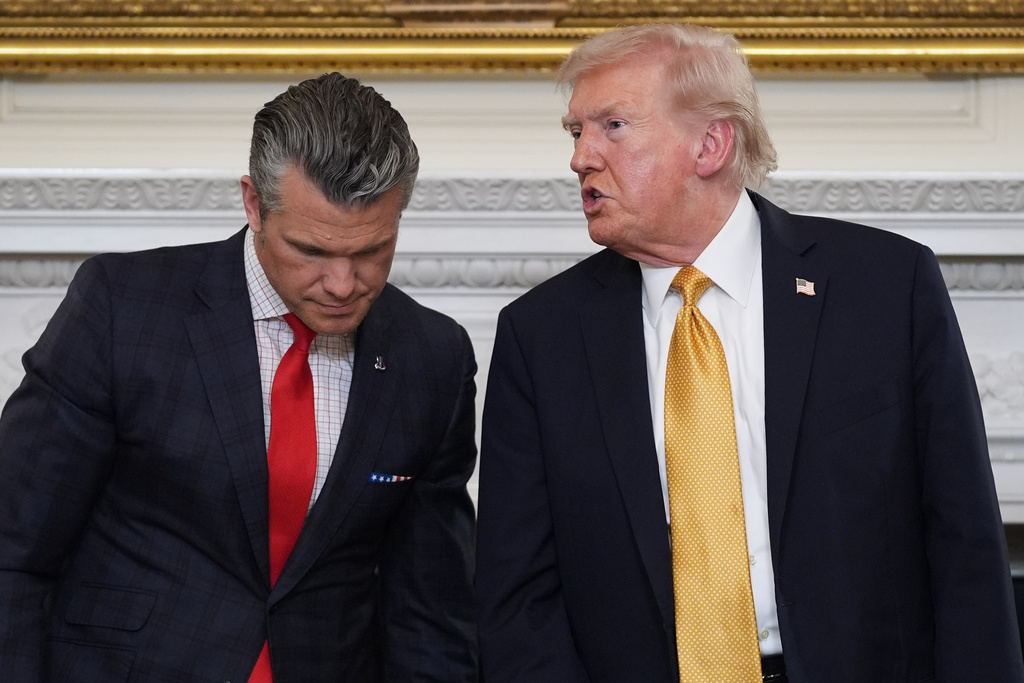
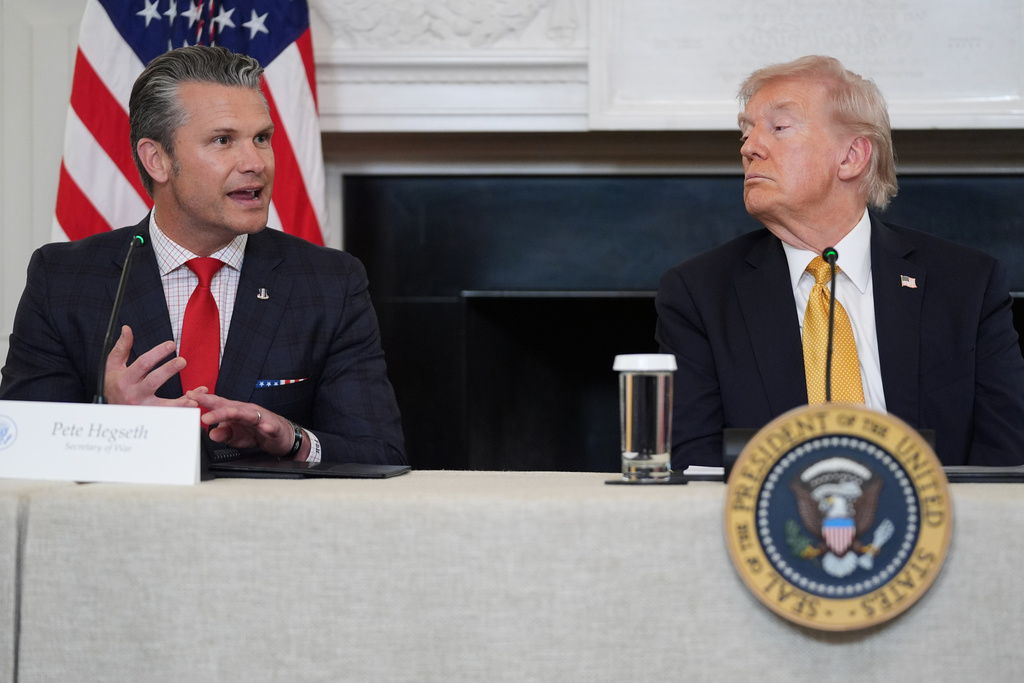
Defense Secretary Pete Hegseth announced that the military had conducted its ninth strike, resulting in the deaths of three people in the eastern Pacific Ocean. This followed a strike on Tuesday night, also in the eastern Pacific, that killed two people, bringing the total death toll from the strikes to at least 37.
The latest strikes have expanded the Trump administration’s campaign against drug trafficking in South America from the Caribbean to the eastern Pacific. Hegseth has drawn a direct comparison between this campaign and the war on terrorism declared after the Sept. 11, 2001, attacks.
“Our message to these foreign terrorist organizations is we will treat you like we have treated al-Qaeda,” Hegseth said. “We will find you, we will map your networks, we will hunt you down, and we will kill you,” he added.
Post a Comment