
American music has always been a dynamic force, with genres rising and falling in cycles that reflect the ever-changing cultural landscape. From the harmonious echoes of street corners to the thunderous beats of electronic drops, these fleeting yet impactful genres have left lasting imprints on the nation's musical identity. Some have shaped the course of music history, while others have burned brightly before fading into memory. Here are some of the genres that briefly took over America, defining moments of style, sound, and cultural obsession.
Doo-Wop (1950s)
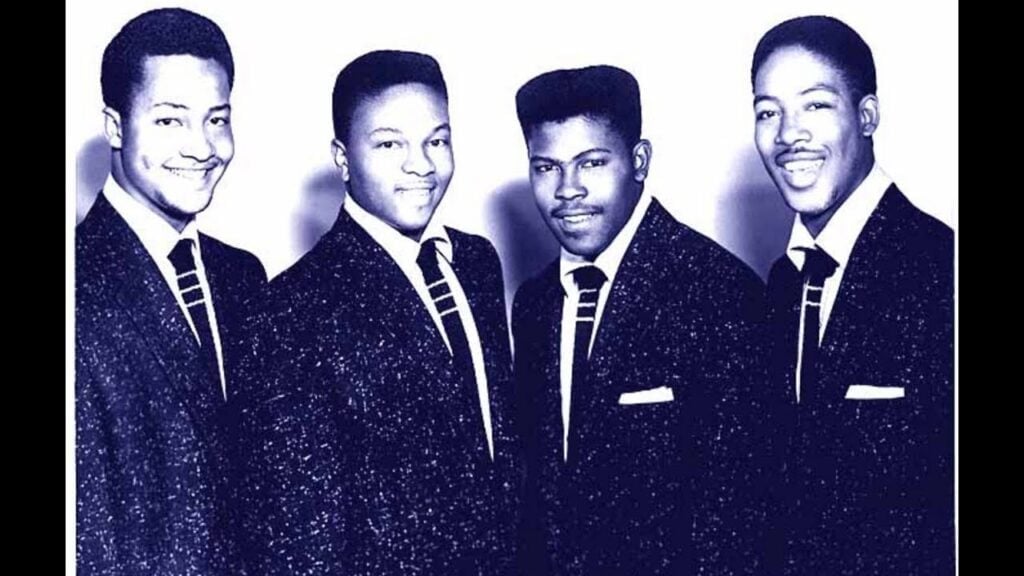
Doo-Wop transformed urban neighborhoods into stages, with teenagers harmonizing on street corners and topping local radio charts. Groups like The Platters and The Penguins captured youthful longing and romance. Though rock and Motown eventually absorbed its influence, the genre’s charming simplicity and melodic inventiveness left an enduring imprint on American pop.
Rockabilly (Mid-1950s)
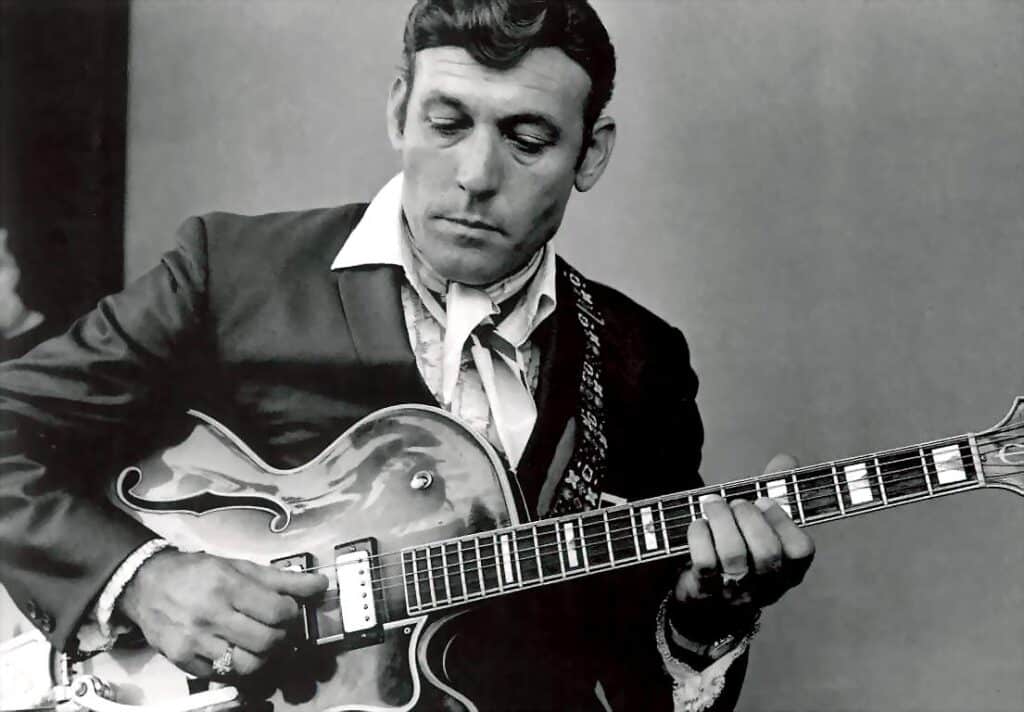
The electrifying blend of country and rhythm & blues, epitomized by Elvis Presley, Carl Perkins, and Jerry Lee Lewis, made rockabilly a sensation. Its rebellious energy dominated early rock culture, setting the stage for future stars. Within a few years, rockabilly merged into mainstream rock, but its influence on rhythm, stage style, and teenage identity remained undeniable.
Surf Rock (Early 1960s)
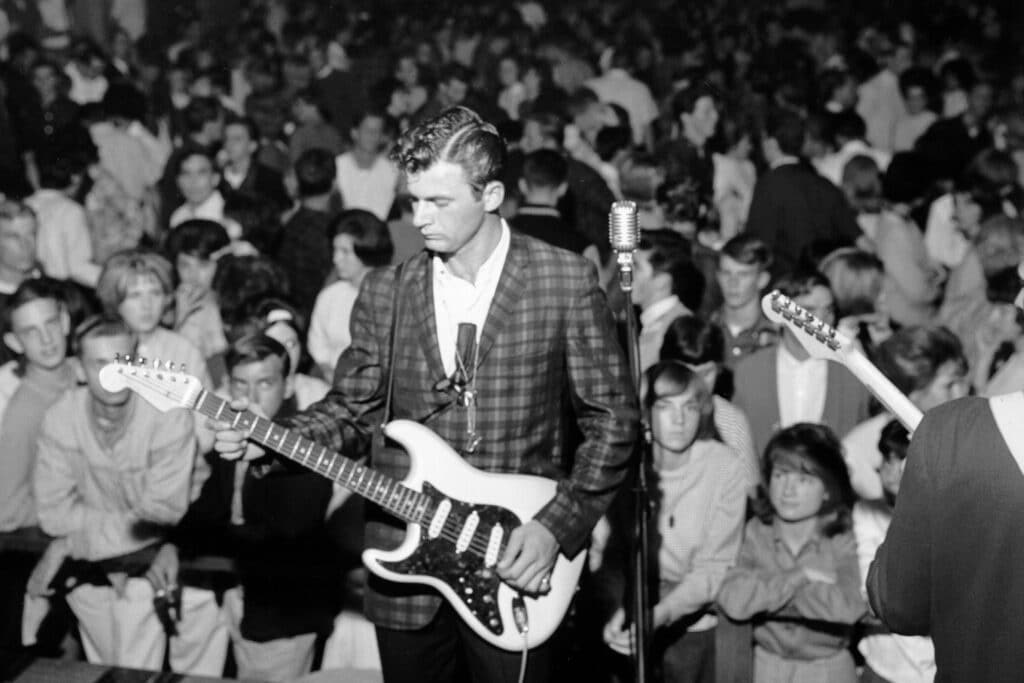
Surf rock captured the California beach dream with Dick Dale’s reverb-heavy guitar and The Beach Boys’ harmonies. For a brief period, it defined summer soundtracks and teen fantasies. The British Invasion and changing pop trends quickly displaced it, yet its twangy, sun-soaked melodies are still instantly recognizable and celebrated decades later.
Girl Groups (Early 1960s)
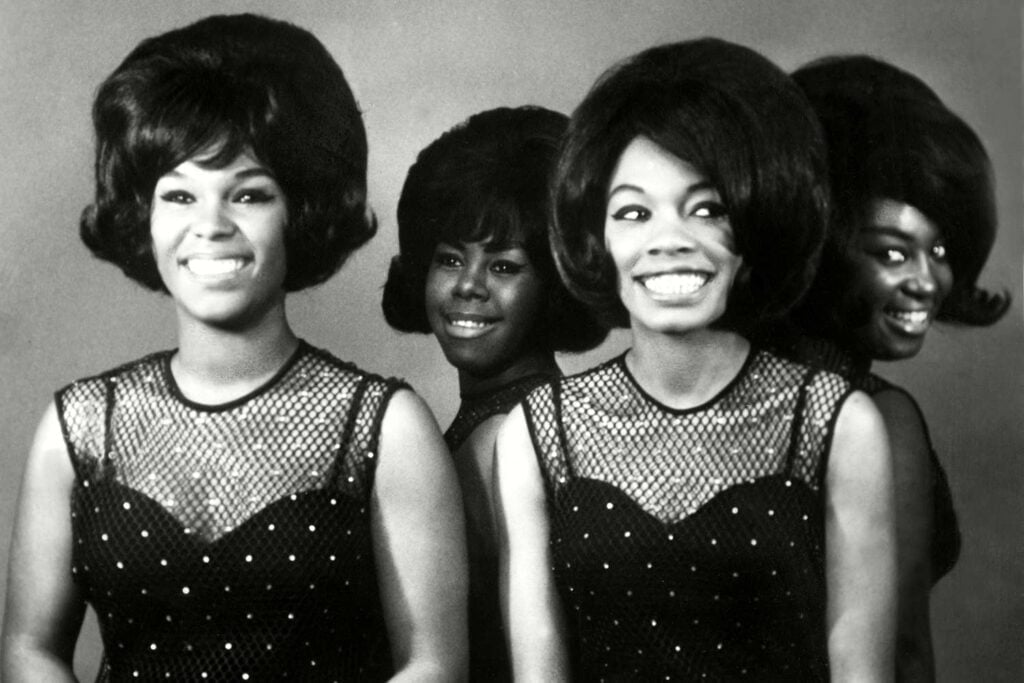
The Ronettes, The Shirelles, and other girl groups delivered lush harmonies and infectious melodies that dominated radio and dance halls. Their brief reign introduced sophisticated production and choreographed performance to pop. Though Motown and solo singer-songwriters later shifted the musical landscape, the influence of girl groups on vocal style and teen fandom remains indelible.
Folk-Protest Music (1960s)
Bob Dylan, Joan Baez, and other folk-protest artists brought social consciousness to the forefront of American culture. Their acoustic storytelling resonated with civil rights and anti-war movements, giving the genre unparalleled cultural significance. By the 1970s, folk evolved into softer singer-songwriter styles, but the political and emotional impact of 1960s folk was profound and lasting.
Bubblegum Pop (Late 1960s)
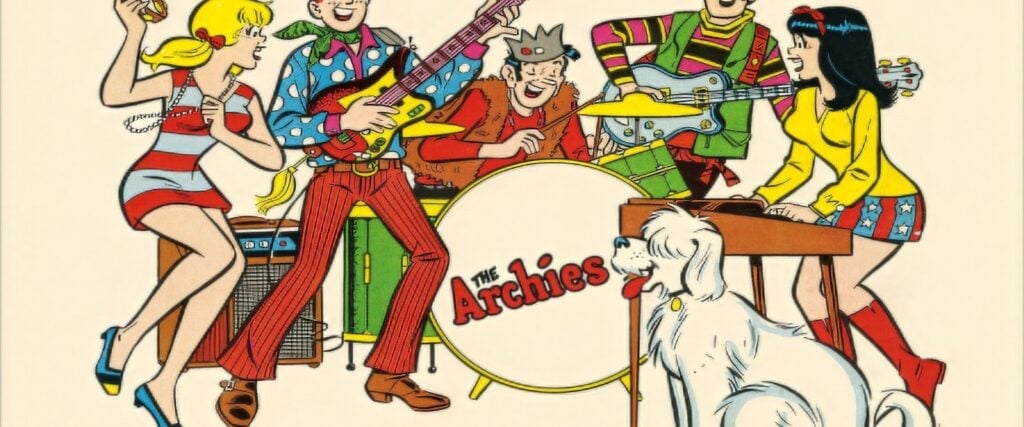
Bubblegum pop was designed to appeal to kids, with groups like The Archies and The 1910 Fruitgum Company delivering catchy, simple, and upbeat songs. Its reign was meteoric but brief, disappearing almost as quickly as it appeared. Despite its simplicity, bubblegum pop captured a playful innocence and showcased the power of tightly-crafted, commercially savvy pop music.
Psychedelic Rock (Late 1960s)
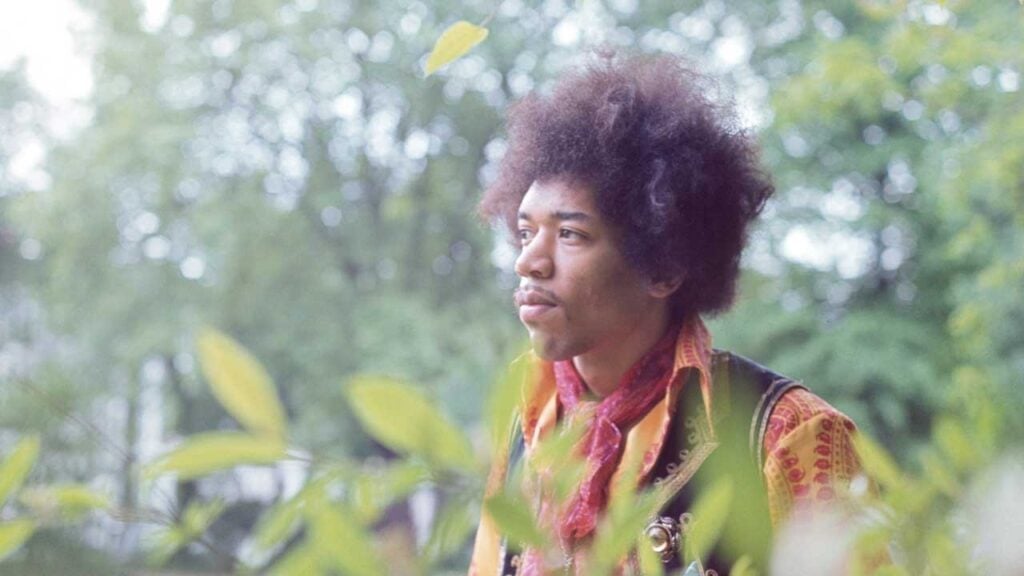
Psychedelic rock, led by The Doors, Jefferson Airplane, and Jimi Hendrix, provided a sonic exploration of altered consciousness and cultural rebellion. The genre’s experimental sounds and surreal lyrics defined the late ’60s counterculture. By the 1970s, audiences sought tighter, more structured music, but the creativity and sonic risk-taking of psychedelic rock influenced countless future genres.
Yacht Rock (Late 1970s–Early 1980s)
Smooth, melodic, and polished, yacht rock ruled FM radio with Michael McDonald, Toto, and Christopher Cross. Its sophisticated harmonies and breezy instrumentation defined late-’70s professionalism in pop. While punk and new wave quickly displaced it, yacht rock’s influence on soft rock and its nostalgia-driven revival today reveal a genre that remains oddly irresistible decades later.

Disco (Late 1970s)
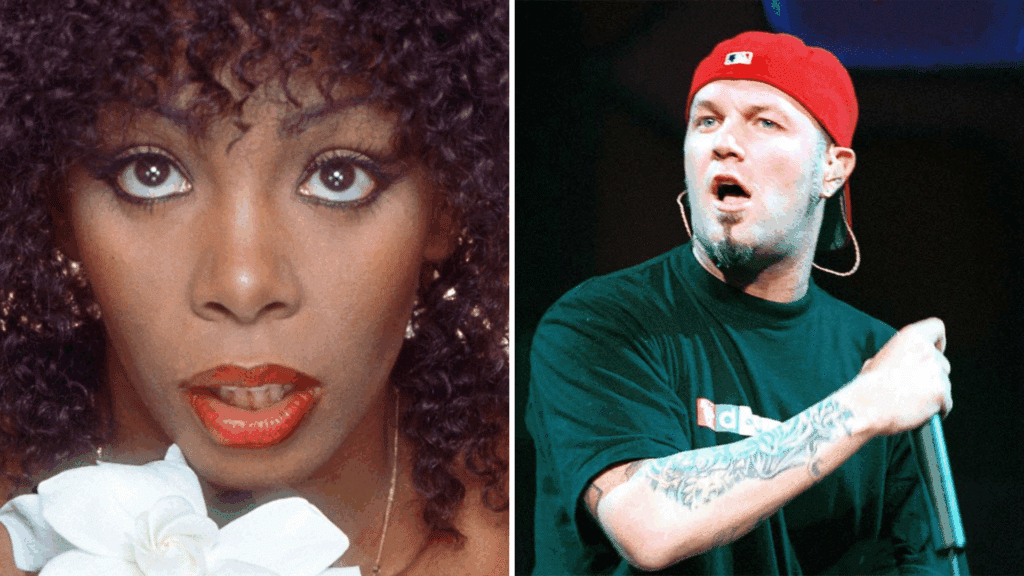
Disco’s era was characterized by glittering dance floors, mirror balls, and relentless rhythm, with artists like Donna Summer and the Bee Gees dominating charts. Its dominance ended abruptly with a backlash, yet disco’s influence on dance music, fashion, and club culture persisted long after, shaping the grooves and production techniques of modern pop and electronic music.

Outlaw Country (1970s)
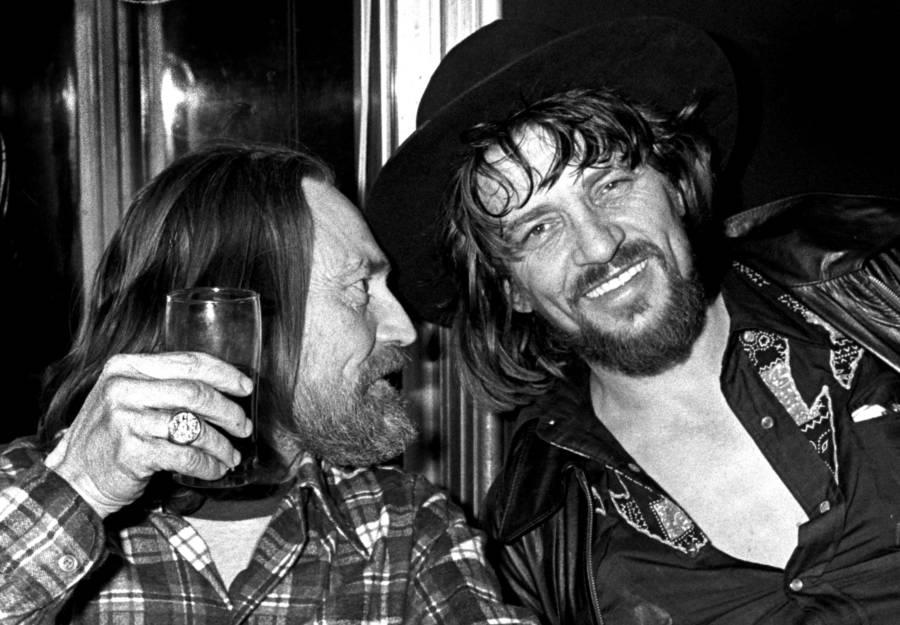
Willie Nelson, Waylon Jennings, and others challenged Nashville’s polished conventions, crafting raw, rebellious sounds that resonated with working-class audiences. Outlaw country briefly dominated airwaves, offering authenticity and defiance. By the 1980s, its influence merged into mainstream country, but the ethos of independence and storytelling remained central to the genre’s ongoing evolution.
Prog Rock (1970s)
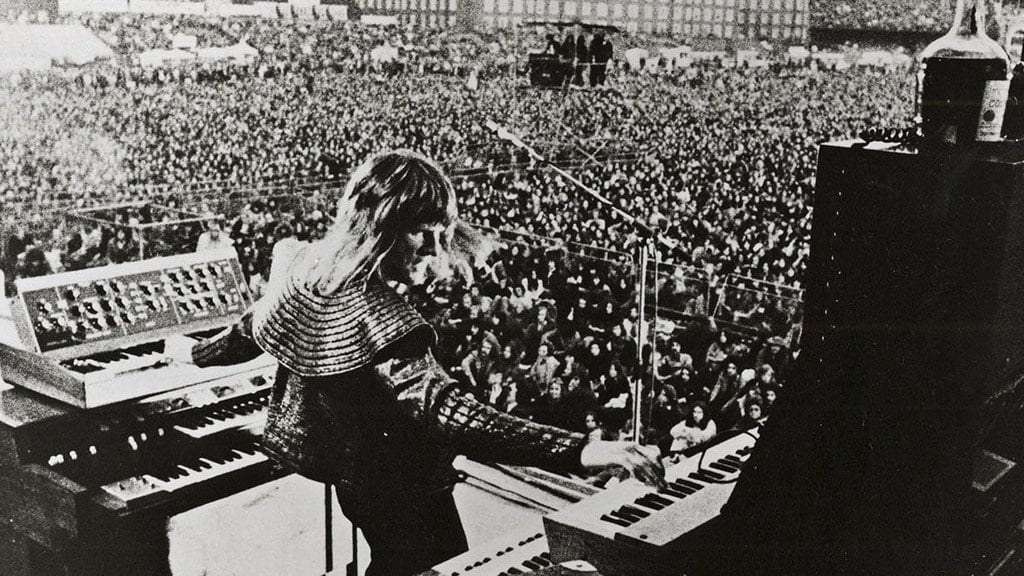
Progressive rock bands like Yes, Emerson, Lake & Palmer, and Genesis dazzled audiences with complex arrangements and lengthy compositions. For a brief period, prog rock ruled FM radio and arena stages. Despite its eventual decline under punk rock’s simplicity, the genre’s ambition, technical skill, and conceptual storytelling left a permanent mark on rock and fusion music.
Funk (1970s)
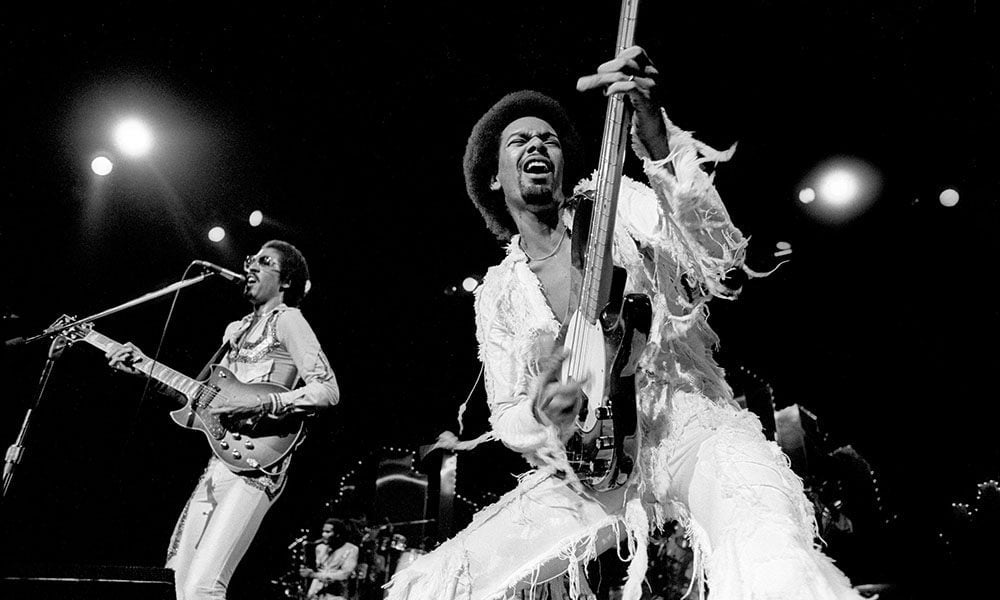
James Brown, Parliament-Funkadelic, and other funk pioneers created irresistible grooves with deep bass lines and tight rhythms. Funk dominated charts and dance floors, shaping fashion, performance, and the cultural mood. By the 1980s, funk’s influence was woven into hip-hop, R&B, and pop, proving that even short-lived dominance can ripple across decades.
New Wave (Late 1970s–Early 1980s)
New Wave fused post-punk energy with pop sensibilities, creating a fresh, stylish sound embodied by The Cars, Blondie, and Talking Heads. Its early MTV dominance made it a cultural staple, yet synth-driven pop eventually replaced it. Despite its brief reign, New Wave’s visual aesthetic and musical experimentation continue to inspire artists today.

Hair Metal (1980s)
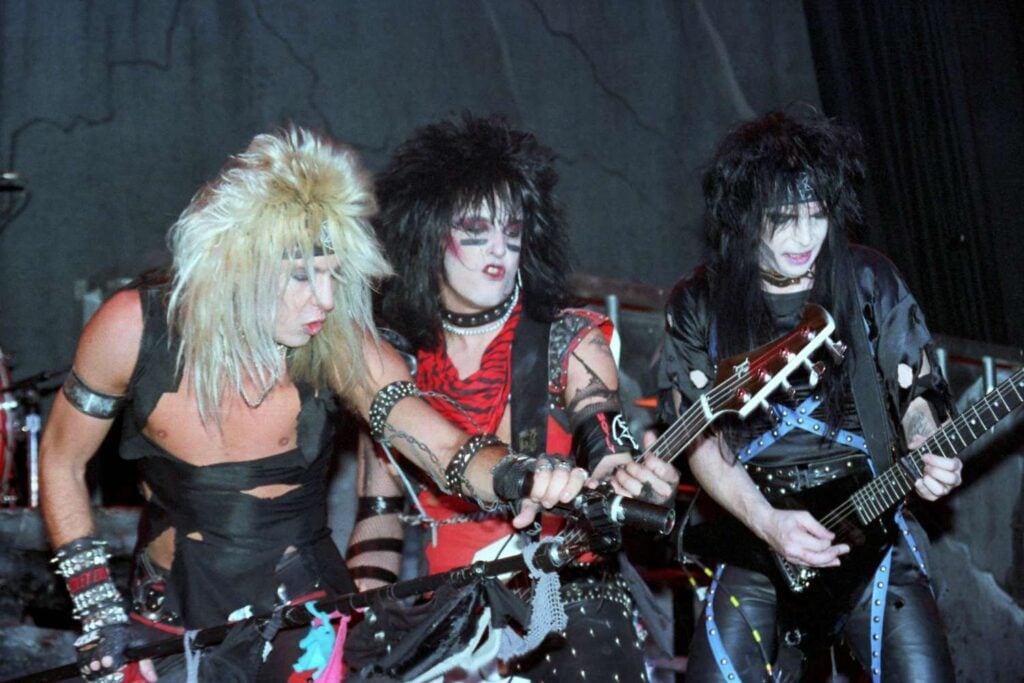
Glam bands like Mötley Crüe and Poison filled arenas with big hair, flashy guitar solos, and anthem-like ballads. Hair metal briefly reigned as the dominant rock spectacle of the 1980s. By the early ’90s, grunge’s raw authenticity displaced it, yet its theatricality, hooks, and fan culture remain emblematic of a particular rock era.
Disco-Polo (1990s)
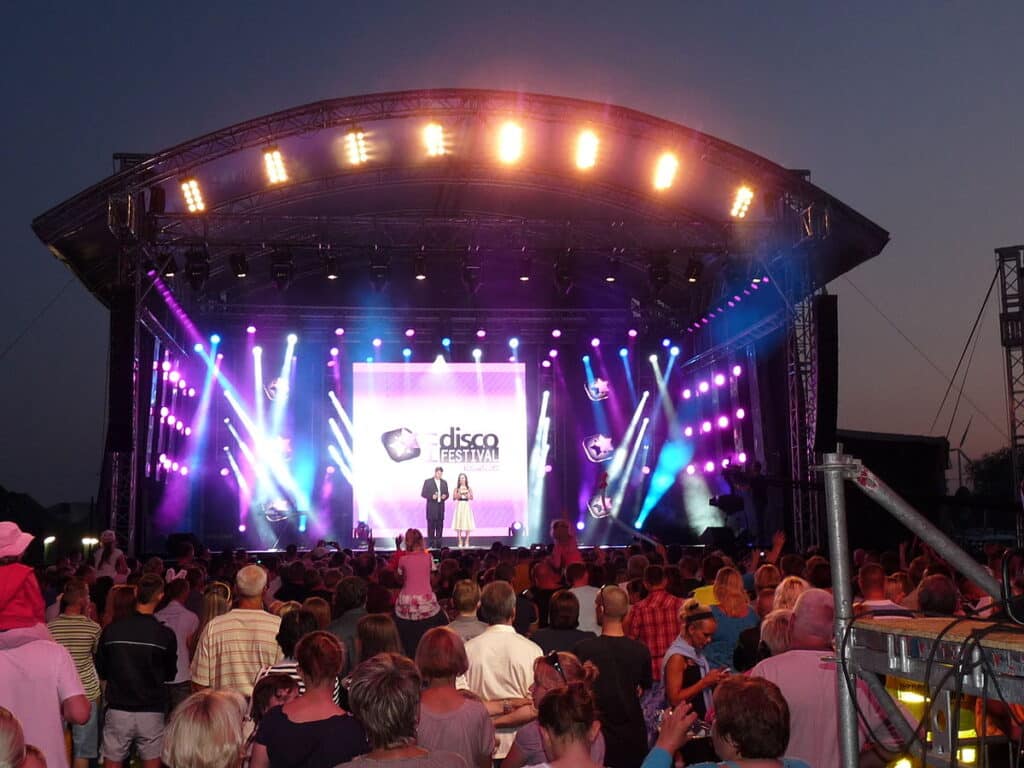
This Polish dance-pop hybrid briefly entered U.S. immigrant clubs, delivering upbeat, catchy tracks. Its brief presence in the American scene was fleeting, disappearing almost immediately. While almost entirely forgotten in mainstream culture, disco-polo’s infectious melodies and rhythm reflect how immigrant music trends can punctuate U.S. cultural consumption, even if only for a short time.
Third-Wave Ska (1990s)
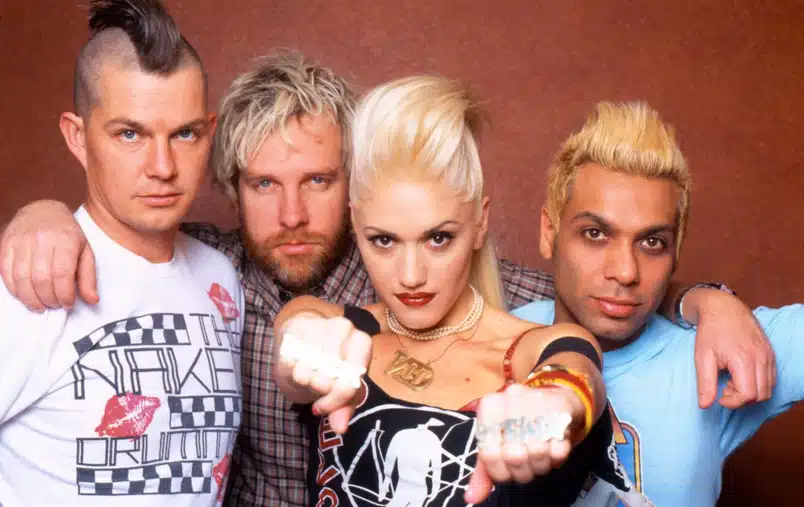
Third-wave ska, popularized by No Doubt, The Mighty Mighty Bosstones, and Reel Big Fish, blended punk energy with horn-driven rhythms. For a short window, it dominated alternative radio and MTV rotations. Its quick decline didn’t erase the fun, energetic vibe it brought, influencing pop-punk and alternative genres in subtle, enduring ways.
Swing Revival (1990s)
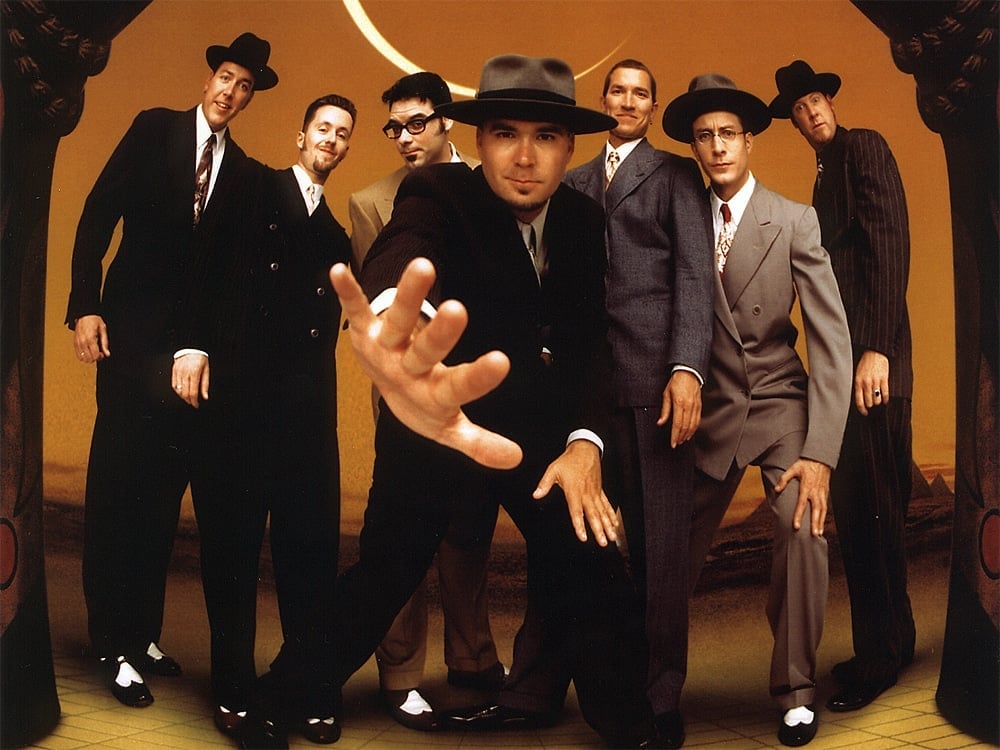
Reviving big-band swing, bands like Big Bad Voodoo Daddy and Cherry Poppin’ Daddies led a brief craze fueled by the film Swingers. For a few years, zoot suits, jitterbug dances, and brass-heavy arrangements returned to popular consciousness. Though short-lived, the swing revival demonstrated how nostalgia could briefly reshape contemporary music scenes.
Boy Band Pop (Late 1990s–Early 2000s)
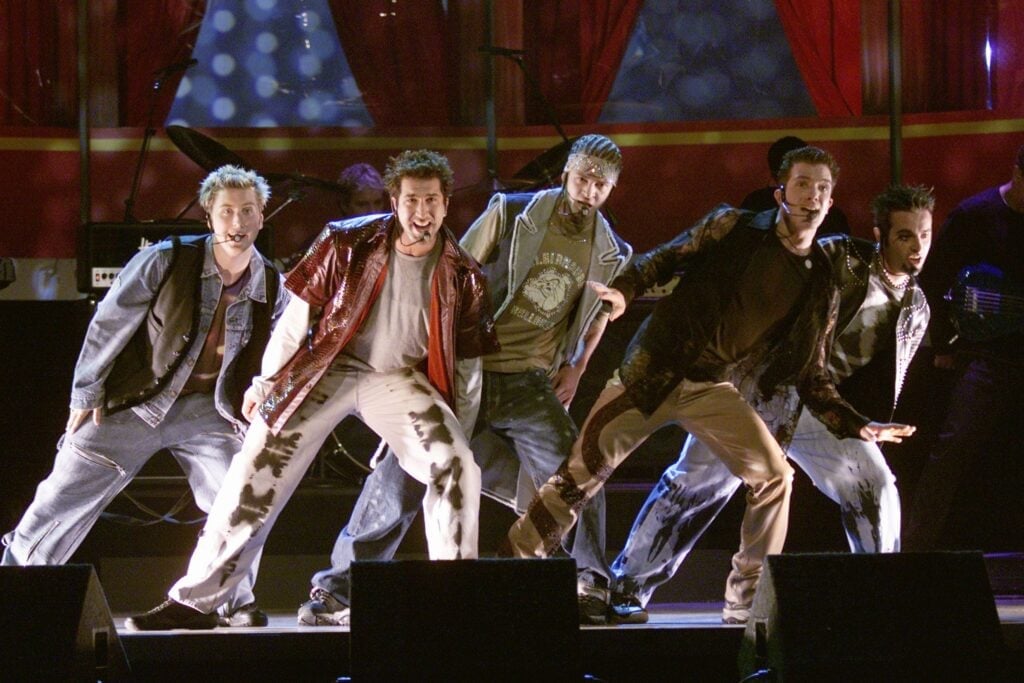
Backstreet Boys, NSYNC, and similar groups dominated radio, MTV, and teen culture with choreographed moves, harmonies, and charisma. Their omnipresence was nearly absolute, but hip-hop, R&B, and solo singer-songwriters eventually reclaimed mainstream dominance. Despite the decline, boy bands defined a generation’s pop soundtrack and shaped teen fandom strategies for decades.
Nu Metal (Early 2000s)
Linkin Park, Limp Bizkit, and Korn fused heavy metal, rap, and angst-driven lyrics into a stadium-filling sound. Nu metal dominated charts and festivals for a brief period, connecting with youth disaffection. Its prominence faded quickly, yet the genre left a legacy in hybridization, aggressive rhythms, and emotional lyrical content that continues in modern rock and metal.

Dubstep (2010s)
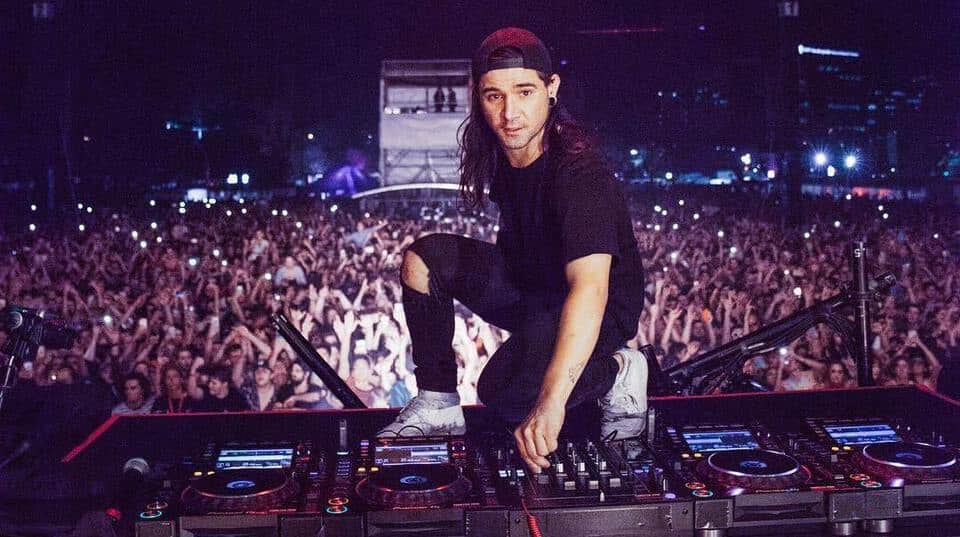
Skrillex, Bassnectar, and others turned “the drop” into a cultural phenomenon, making dubstep a dominant force in festivals and streaming playlists. Its popularity peaked quickly, and the genre’s extreme production style was soon replaced by more accessible EDM subgenres. Nonetheless, its influence on electronic music production and festival culture remains significant, defining a decade’s sonic experimentation.
Post a Comment