
Understanding Soundbar Connectivity Options
Soundbars have become a staple in many households, serving as the central component of home audio systems. Whether you're watching TV, enjoying movies, or playing video games, a soundbar enhances your auditory experience. But when it comes to connecting your soundbar to music streaming services, the choice between Wi-Fi and Bluetooth becomes crucial.
Wi-Fi and Bluetooth are both wireless connectivity options, but they offer different advantages and disadvantages. The decision ultimately depends on your specific needs and preferences.
Wi-Fi Streaming: A Superior Option for Quality and Stability
Wi-Fi is generally considered the better option for those who prioritize sound quality and a stable connection. Here are some key pros of using Wi-Fi:
-
Much Better Sound Quality
Wi-Fi connections are more capable of transmitting high-quality audio tracks to your soundbar. This is especially beneficial if you use premium music streaming services like Qobuz. Additionally, Wi-Fi is the only way to access spatial audio content on compatible soundbars, which often doesn't work well over Bluetooth. -
A More Stable Connection
Unlike Bluetooth, Wi-Fi isn’t limited by range. You can move around your home without worrying about signal loss or audio skipping. However, it's important to ensure that your internet connection is strong. For the best performance, consider wiring your soundbar directly to your router. -
Even Better Sharing
When connected via Wi-Fi, sharing music with others becomes seamless. Most music streaming apps allow you to select the soundbar, making it easy for multiple users to take turns playing their favorite tracks.
Despite these benefits, Wi-Fi does come with some drawbacks:
-
Trickier to Set Up
Connecting your soundbar to Wi-Fi often requires using an app. While this process has improved over time, it can still be frustrating, especially with certain brands like Sonos. -
Not Everything Will Work With It
Wi-Fi compatibility is not as widespread as Bluetooth. For example, fewer turntables support Wi-Fi connections, which may limit your options if you own one.
Bluetooth Streaming: Simplicity and Convenience
Bluetooth is a popular choice due to its ease of use and broad compatibility. Here are some advantages of using Bluetooth:
-
Easy Connection
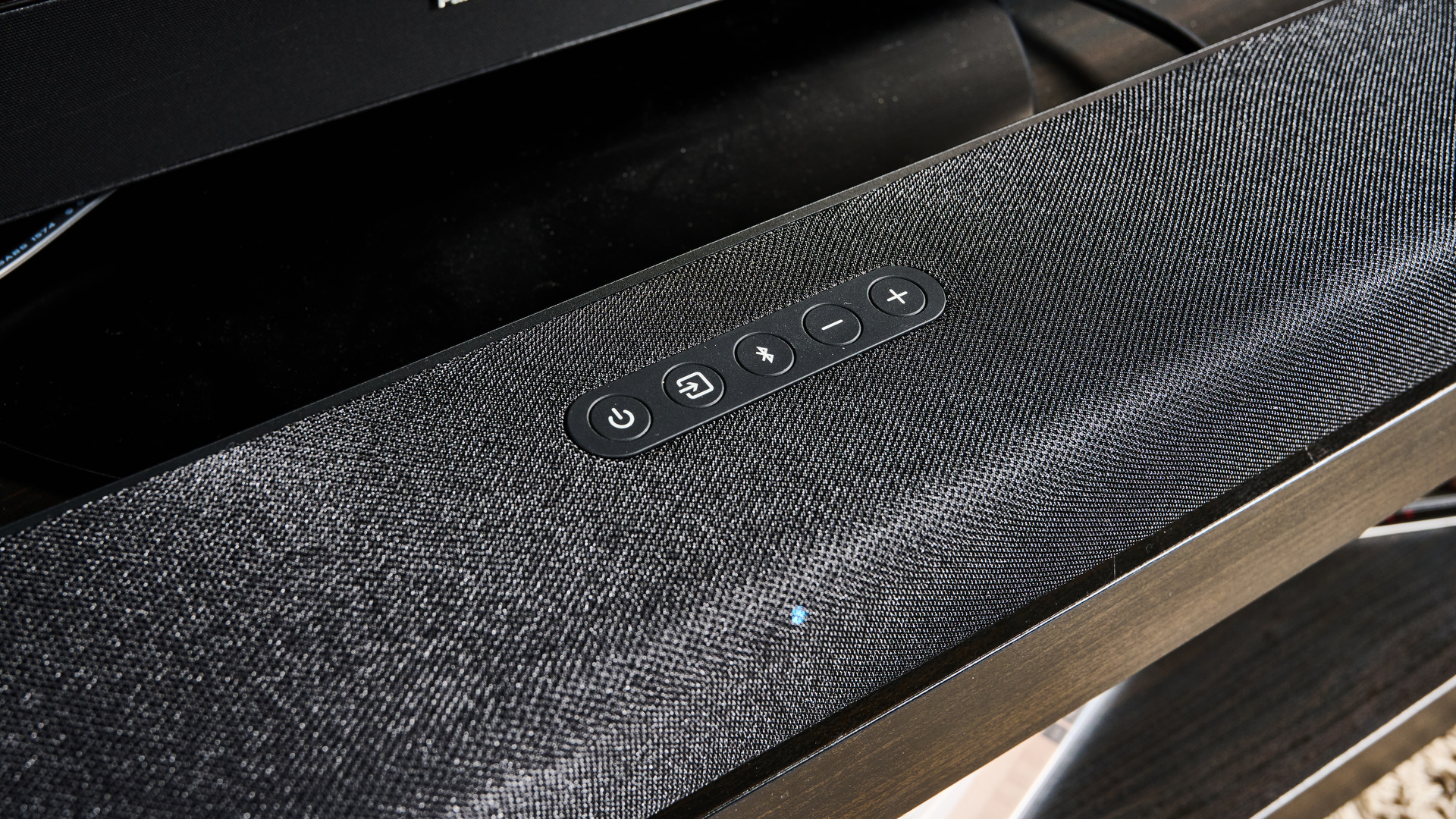
Connecting to Bluetooth is typically straightforward. Most soundbars have a dedicated button for pairing, and you can find the device in your phone’s Bluetooth settings. No app is needed, just switch the input to Bluetooth and start playing. -
Plenty of Compatibility
Bluetooth works with nearly all modern music devices, including many turntable models. This makes it a versatile option for a wide range of users. -
Easy Sharing
If you have friends over, you can quickly put the soundbar in pairing mode and let them connect. While not as smooth as Wi-Fi, it’s still a convenient option for casual listening.
However, Bluetooth also has some limitations:
-
Limited Sound Quality
Bluetooth is not capable of streaming high-quality audio. Most soundbars don’t support advanced codecs like LDAC or aptX, resulting in a less immersive listening experience. -
Less Range
Bluetooth signals can be affected by obstacles such as thick walls. If you move out of range, your music may skip or glitch, which can be frustrating. -
Higher Energy Consumption
Using Bluetooth drains the battery of your source device faster. This is particularly noticeable when listening to music for extended periods.
Choosing the Right Option for Your Needs
If your soundbar supports Wi-Fi, it’s generally the better choice for most users. While the setup process may be more complex, the long-term benefits in terms of sound quality and stability are significant. Wi-Fi also allows for smoother sharing and better compatibility with high-end audio formats.
On the other hand, Bluetooth offers simplicity and convenience, making it ideal for casual users or those who prefer a quick setup. It’s also a good option if you own a Bluetooth-enabled turntable or other devices that don’t support Wi-Fi.
Ultimately, the decision between Wi-Fi and Bluetooth depends on your priorities. If you value sound quality and reliability, go with Wi-Fi. If ease of use and compatibility are more important, Bluetooth might be the way to go.
Post a Comment