
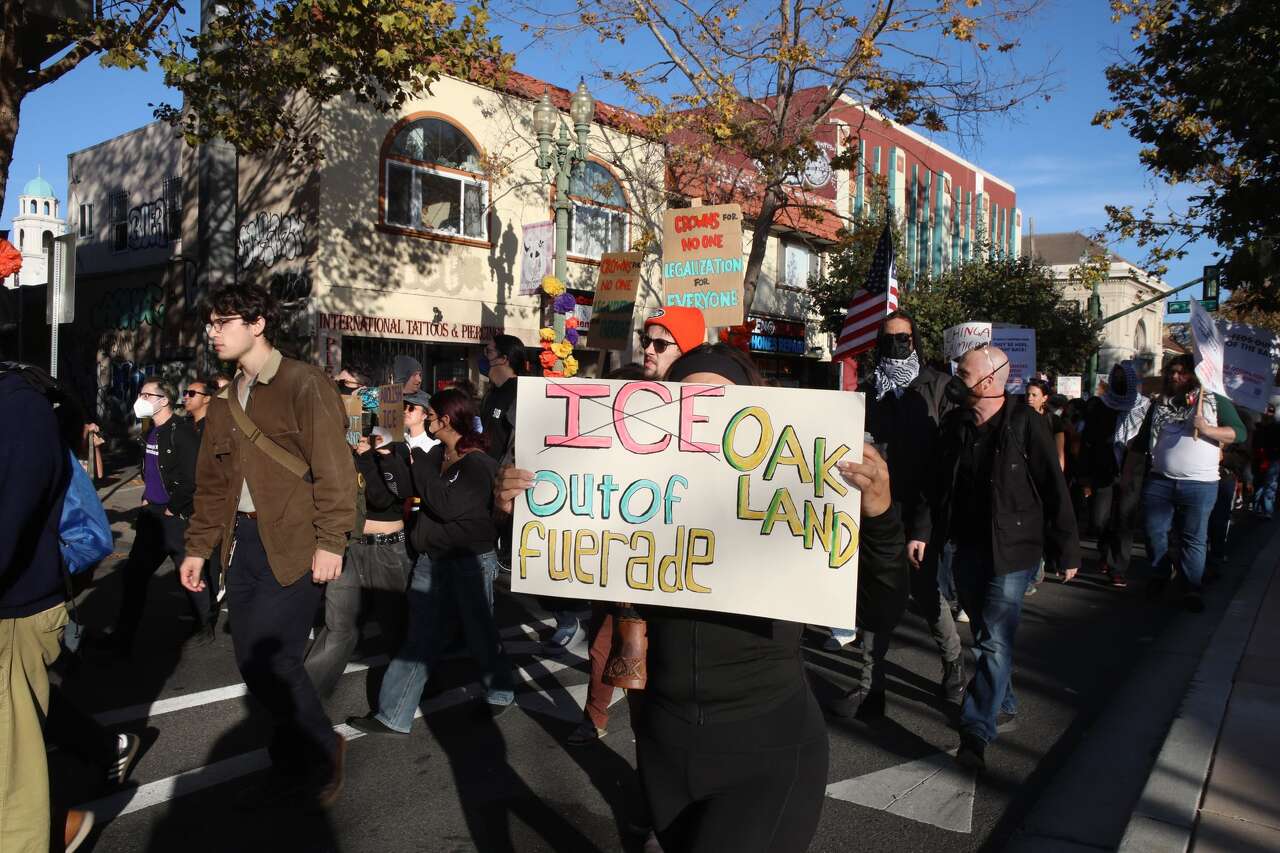
When the news broke that the Trump administration planned to send federal agents to the Bay Area, it marked a pivotal moment for local activists. On Wednesday, 5,000 people joined a Zoom call to discuss strategies for the upcoming demonstrations. This was seen as the most significant test yet for a region known for its history of confronting right-wing figures. The challenge lay in striking a delicate balance—showing strength while maintaining calm to avoid inciting further federal militarized actions that Trump would likely label as "violent protests."
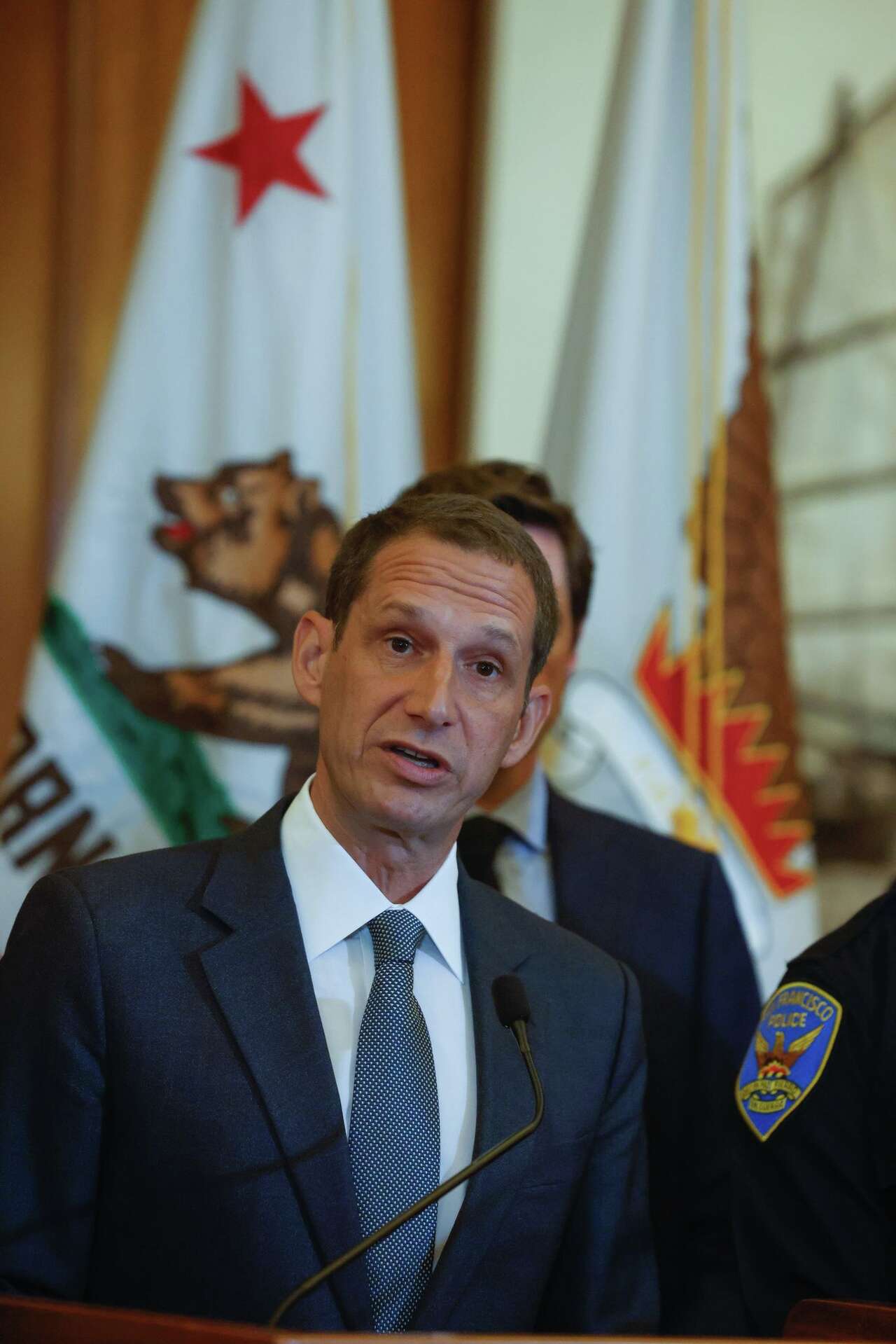
However, by Thursday morning, these efforts seemed to have little impact. President Donald Trump called San Francisco Mayor Daniel Lurie and announced he was calling off the planned "surge" of federal troops in the city on Saturday. While the plans for other Bay Area cities remained unclear, San Francisco had managed to secure a temporary victory.
The city's success came not from massive demonstrations, like the 50,000 who marched with "No Kings" signs, but through the financial power of Silicon Valley. Lurie, who is a billionaire heir to the Levi Strauss fortune, emphasized that San Francisco is the global hub for technology and that its strength contributes to the country's overall strength.
Trump's decision became an example of how to influence him: the voices of wealthy elites often outweigh the power of the general public. In a region where 77% of likely voters disapprove of Trump, according to a Public Policy Institute of California survey, this move highlighted the influence of Silicon Valley's elite.
Trump cited the support of tech billionaires such as Jensen Huang (CEO of NVIDIA) and Marc Benioff (CEO of Salesforce) in his social media post. He stated that they wanted to give San Francisco a chance, leading to the decision not to deploy federal troops on Saturday. However, he added ominously, "Stay tuned!"
Lurie, during a press conference, was cautious about his conversation with Trump and denied involving business leaders in the effort. Trump claimed that Lurie asked, very nicely, for a chance to turn things around, though he believed Lurie was making a mistake. Ultimately, Trump chose to listen to the "great people" he knows in the city, including influential figures like Benioff, the owner of Time magazine, which named Trump its "Person of the Year" in 2024.
While the billionaires were reaching out to Trump, the Bay Area's activist community was focused on protecting immigrant neighbors, knowing they had to maintain their best behavior.
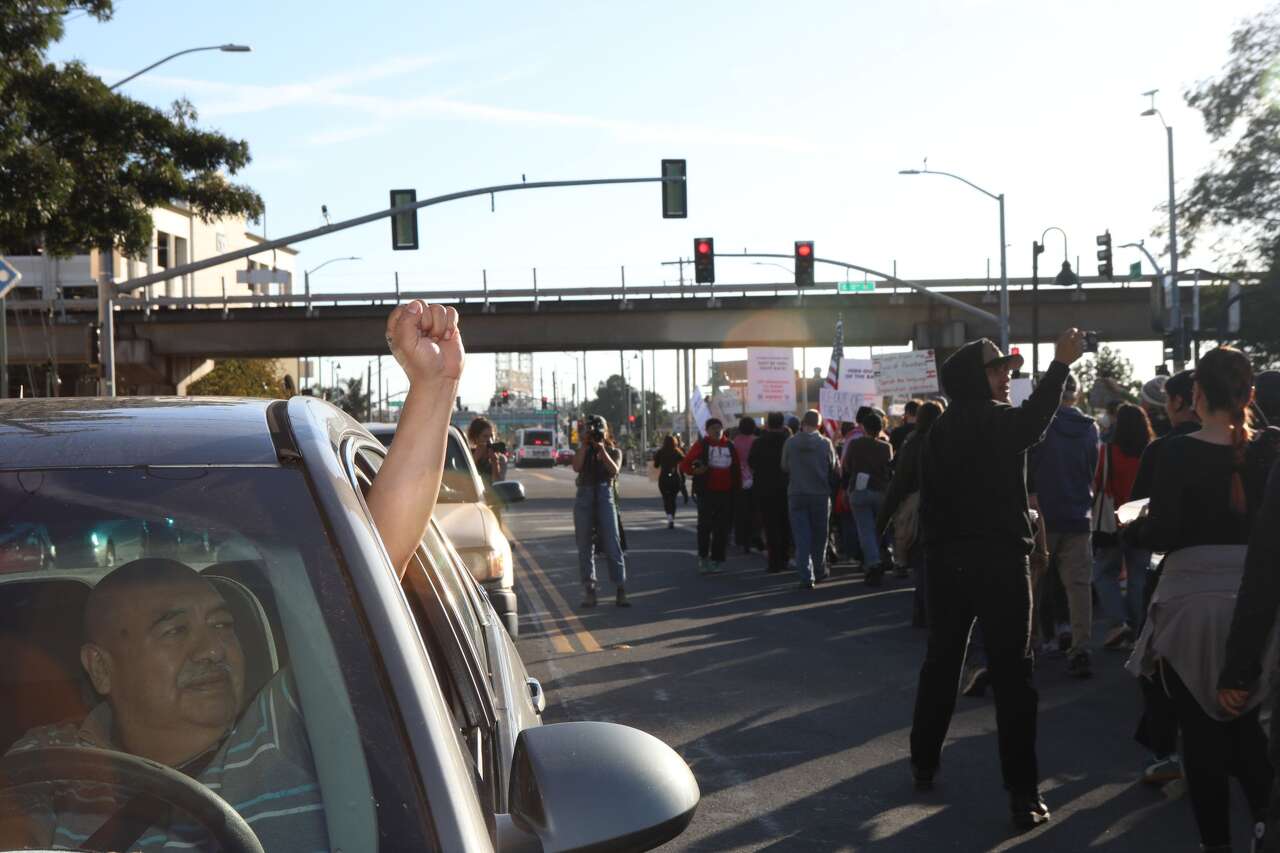
Reverend Deborah Lee, co-executive director of the Interfaith Movement for Human Integrity, expressed skepticism about Trump's sudden change of heart. She noted that ICE agents were still present and continuing to arrest people. Political observers were unsurprised by Trump's response to wealthy individuals rather than grassroots demonstrators.
Mark Naison, a professor of history and African American studies at Fordham University, pointed out that Trump's approach is consistent with how he operates. He referenced cities like Portland and Chicago, where leaders either defy the president or lack the political influence to negotiate. In Illinois, Governor J.B. Pritzker encouraged residents to use cellphones to document ICE activity.
Despite this, Naison believes the Bay Area's organizing efforts were not in vain. Everyone, including Trump, recognizes the region's reputation for large-scale protests and ongoing demonstrations. It's possible that the threat of mass chaos and frequent standoffs influenced Trump's decision.
"People may have told him he'd see a hornet's nest," Naison speculated, noting that scenes of federal agents using tear gas on peaceful protesters would not benefit Trump. He predicted that San Franciscans would come up with even more creative ways to express their opposition.
Before the announcement of the fragile agreement between Trump and Lurie, the day had already been dramatic. A few hundred demonstrators gathered at Coast Guard Island off Alameda at dawn, facing off with federal agents who used flash-bang grenades to disperse the crowd. A pepper round struck a clergyman near the chin, resulting in hospital treatment.
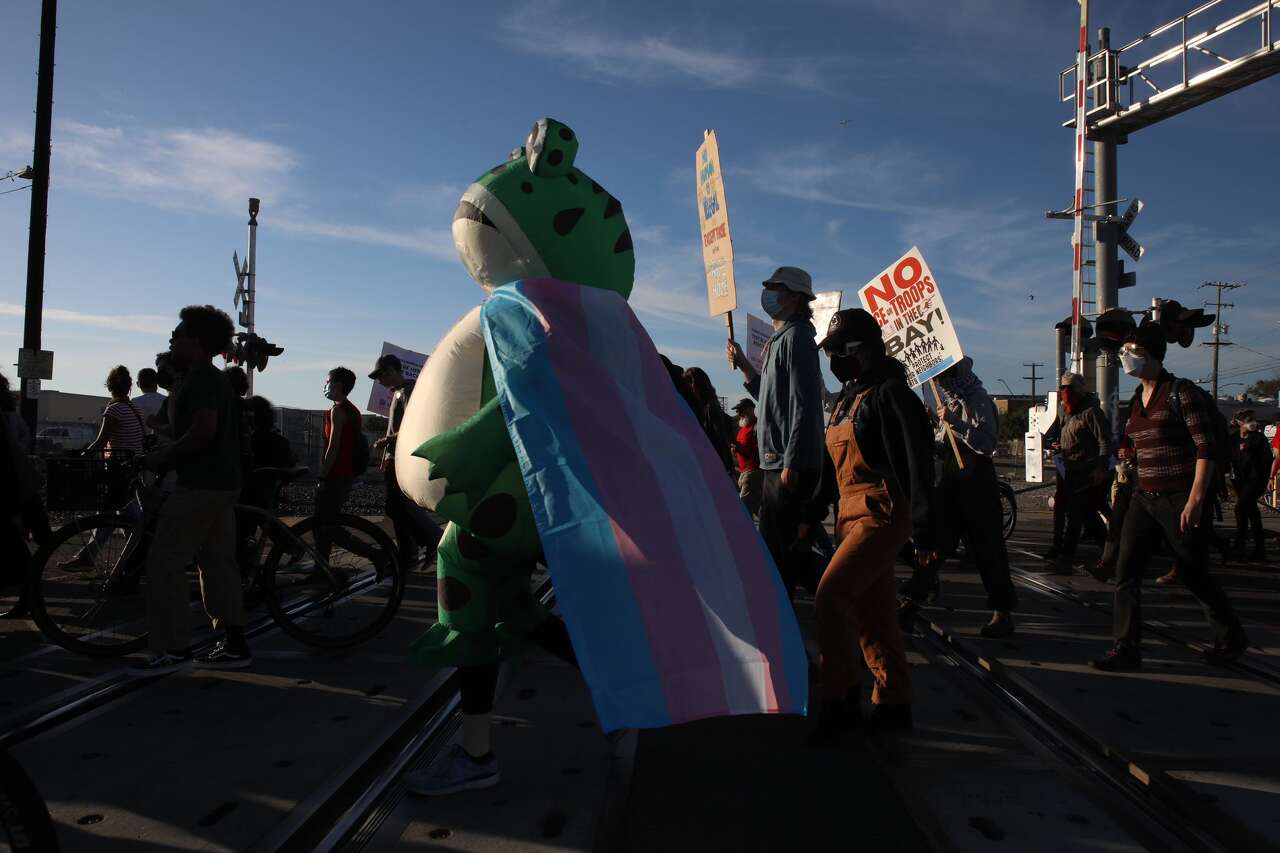
Leah Waarvik, a 56-year-old Oakland resident, wore a Portland-style frog costume to ease tensions. She explained that it was a way to reduce anger and show solidarity with the immigrant community.
San Francisco Supervisor Jackie Fielder remained vigilant, noting that Trump's comments did not exclude other parts of the Bay Area from potential federal action. Organizers with Bay Rising, the coalition behind the Zoom call, held a rally at Embarcadero Plaza on Thursday afternoon and refused to credit Silicon Valley for Trump's retreat.
Claire Donovan-Sugitan, a spokesperson for Bay Rising, described the situation as a "People Power" win. However, she remained cautious, emphasizing that the victory was not definitive.
Post a Comment