
A Unique Protest and Legal Challenge
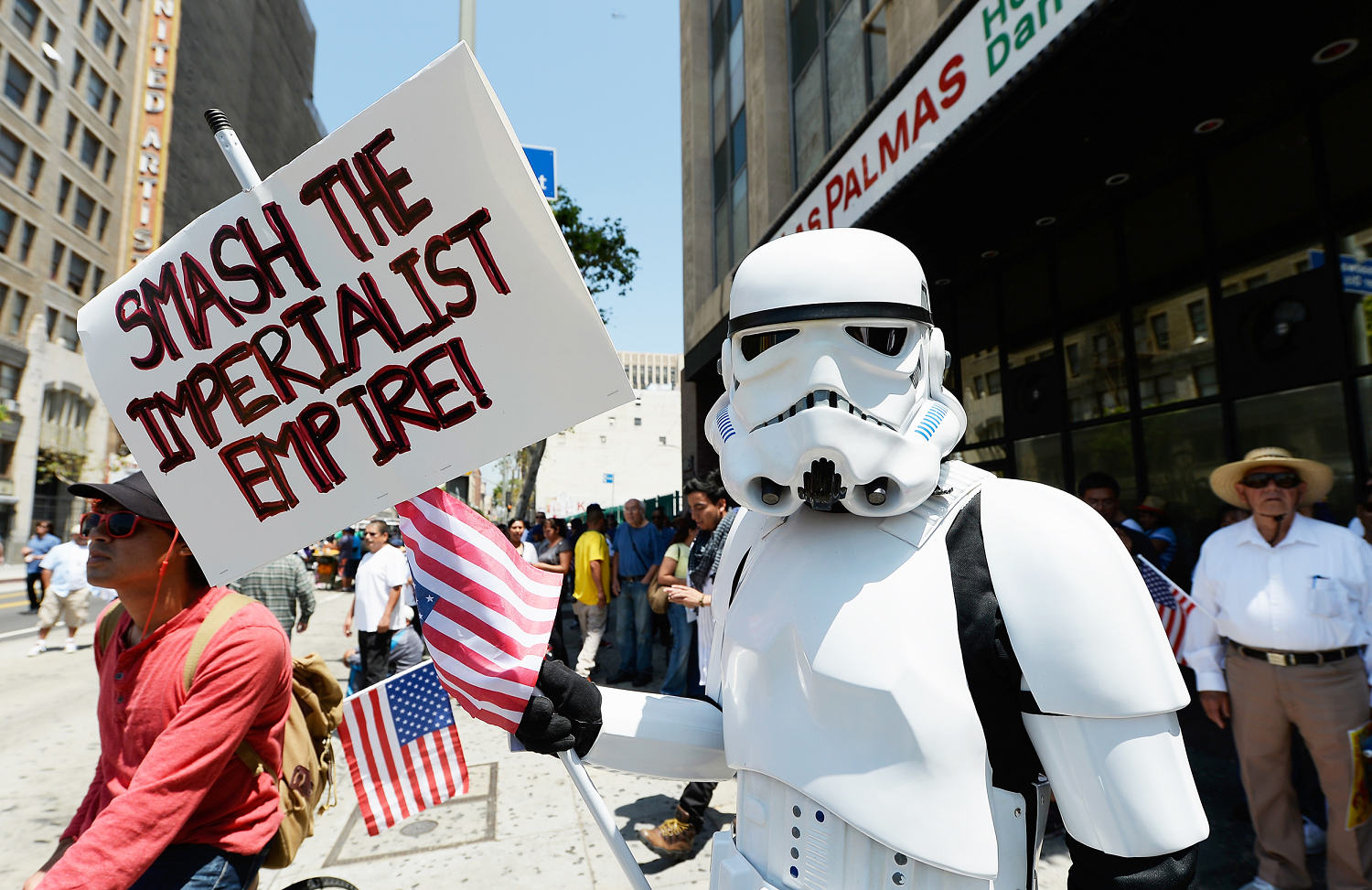
A Washington, D.C. resident has taken a unique approach to protesting the deployment of the National Guard in the district by playing "The Imperial March" from "Star Wars." This act of protest, which drew attention and sparked controversy, has now led to a lawsuit claiming violations of his constitutional rights.
Sam O’Hara’s legal team, representing him through the American Civil Liberties Union (ACLU), filed a civil complaint in federal district court in Washington, D.C. The complaint humorously referenced the "Star Wars" theme, stating, “The law might have tolerated government conduct of this sort a long time ago in a galaxy far, far away.” However, they argued that in today's context, the First Amendment protects peaceful protests, and the Fourth Amendment prohibits false arrests.
Details of the Incident
The incident leading to the lawsuit occurred on September 11 when O’Hara, a 35-year-old resident, was returning home from work. He began walking behind a group of National Guard members while playing the "Imperial March" on his phone and recording them. According to the complaint, he did not speak to or touch the guards and played the music loudly but not at a blaring level.
O’Hara stated that most of the Guard members he encountered during his protests ignored him, with some even smiling or laughing. However, on this particular day, Sgt. Devon Beck of the Ohio National Guard was not amused by what he perceived as a form of satire. Beck contacted D.C. police officers, who then handcuffed O’Hara and prevented him from continuing his peaceful protest. He was released without any charges.
Legal Claims and Defendants
O’Hara’s lawsuit names Sgt. Beck, several D.C. police officers, and the District of Columbia as civil defendants. He claims violations of the First and Fourth Amendments, as well as false arrest and battery. The complaint also mentions that the officers refused to loosen his tight handcuffs, causing him pain. The defendants will have an opportunity to respond in court before a judge decides how the case will proceed.
Broader Context of Protests and Legal Cases
This lawsuit comes amid ongoing litigation regarding the Trump administration’s attempted deployments in Los Angeles, Portland, Oregon, and Chicago. The last of these cases is pending before the Supreme Court and could be decided at any moment.
Conclusion
O’Hara’s case highlights the complex relationship between free speech and law enforcement actions during protests. As the legal battle unfolds, it raises important questions about the limits of protest and the protection of individual rights. The outcome of this case may set a precedent for similar situations in the future, influencing how authorities handle protests and the use of force against demonstrators.
Post a Comment