
This year's extreme weather disasters have caused an unprecedented level of destruction, with their combined impact surpassing the annual GDP of over 100 countries and coming close to the budget of New York City, the largest city in the United States. The damage has been particularly severe for U.S. communities, with record losses reported in the first half of 2025.
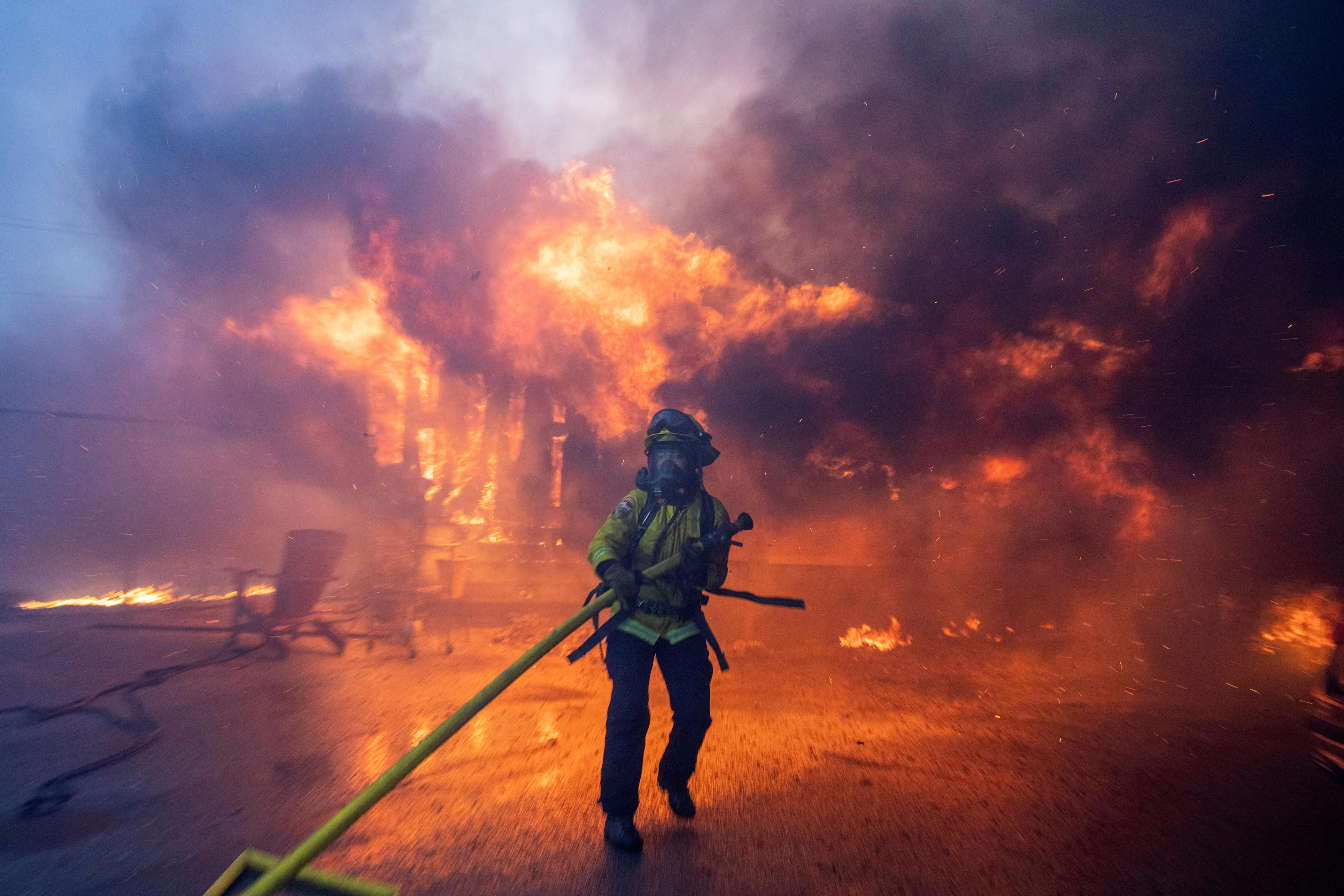
The Palisades and Eaton fires in January were among the most devastating events, tearing through Los Angeles neighborhoods, destroying thousands of homes, and leaving a long road to recovery. These fires were part of a broader pattern of extreme weather events that have had a significant financial toll on communities across the country.
Newly published data from a former National Oceanic and Atmospheric Administration (NOAA) scientist and the nonprofit research group Climate Central highlights the scale of the damage. The report documents 14 extreme weather events from January to June 2025, each causing more than $1 billion in damage. Together, these events resulted in $101.4 billion in losses, emphasizing the growing threat posed by natural disasters.
Key Weather Events and Their Impact
While many of the billion-dollar events were tornadoes and severe storms, the January Los Angeles fires were the most costly, causing $61.2 billion in damages. This accounted for more than half of the estimated damages in the first half of the year and marked the costliest wildfires on record. According to Climate Central, these fires were nearly twice as expensive as the previous record.
The Palisades and Eaton fires burned over 40,000 acres, damaged nearly 20,000 properties, and took the lives of at least 27 people, according to a report by the Los Angeles County Economic Development Corporation.
Rising Costs and Human Factors
In recent years, the number of weather events causing billions of dollars in damage has been increasing. Scientists have noted that some types of events are becoming more frequent due to climate change. However, another contributing factor is the growing population in high-risk areas such as coastal regions and forests, which are prone to hurricanes, wildfires, and other disasters.
Adam Smith, a former NOAA scientist who led the effort for over a decade, explained that "either way you look at it, the rise in damages relates to human activities."
Data Gaps and Continued Efforts
The NOAA data was once a critical tool for tracking the economic impact of natural disasters. It documented over 400 weather events that cost nearly $3 trillion and took over 16,000 lives since 1980. However, the program was cut by the Trump administration, leading to a gap in data collection.
In the absence of federal support, Adam Smith revived the data at Climate Central using the same NOAA methods. This effort has continued despite staffing cuts at NOAA, which have reduced its workforce by 18% to 20%, according to estimates from former officials.
Climate Central's work is supported by over a dozen datasets from both public and private sectors. Smith emphasized that the analysis is an "apples-to-apples continuation" of the previous research, using the same data sets, partners, and methods.
NOAA's Response
NOAA Communications Director Kim Doster stated in an email to USA TODAY: “NOAA appreciates that the Billion Dollar Disaster Product has found a funding mechanism other than the taxpayer dime.” She added that the agency will continue to refocus its resources on products that adhere to the President’s Executive Order restoring gold standard science, prioritizing sound, unbiased research over projects based in uncertainty and speculation.
Smith said that the initial goal is to get the tool up and running and then focus on expanding the work by not only looking at events that cost over $1 billion in damages but also smaller and medium-size events.
Daniel Swain, a climate scientist with the University of California Agriculture and Natural Resources, said it’s widely underestimated how challenging it is to estimate losses from an event, and the work being done by NOAA was not something that could have been easily reproduced by others.
While he said he is glad to have Climate Central fill out the void, he’s concerned that there was a need for that in the first place.
“I think that is commendable, and I wish we would see more organizations step up and do that,” Swain said. “But I think the background of that is that it is very bad news that we're needing to ask private organizations to do this, instead of the government doing its job.”
Check this tool to see if your home is at high wildfire risk. You can also explore the full map here.
Roger Pielke Jr., a political scientist and professor at the University of Colorado Boulder, who has previously criticized NOAA’s billion-dollar disaster data, said the federal government should have a way to account for the cost of weather events.
“We should have the capacity to understand the economics of disasters, and the fact that we don't is remarkable,” Pielke said, adding that the number of people who die from natural disasters has been decreasing, referring to that progress as a success story.
Even with a hurricane season that has been quieter than in other years, Smith expects 2025 to land in the top 10 costliest years. Complete data will be available in early 2026.
“It only takes one extreme event to really change the landscape of a place for years," Smith said. "So having this information available is important.”
This article originally appeared on USA TODAY: LA fires and 13 other disasters cost the US over $100 billion, estimates show
Post a Comment