
The Struggle of Migrant Health Care in Chicago
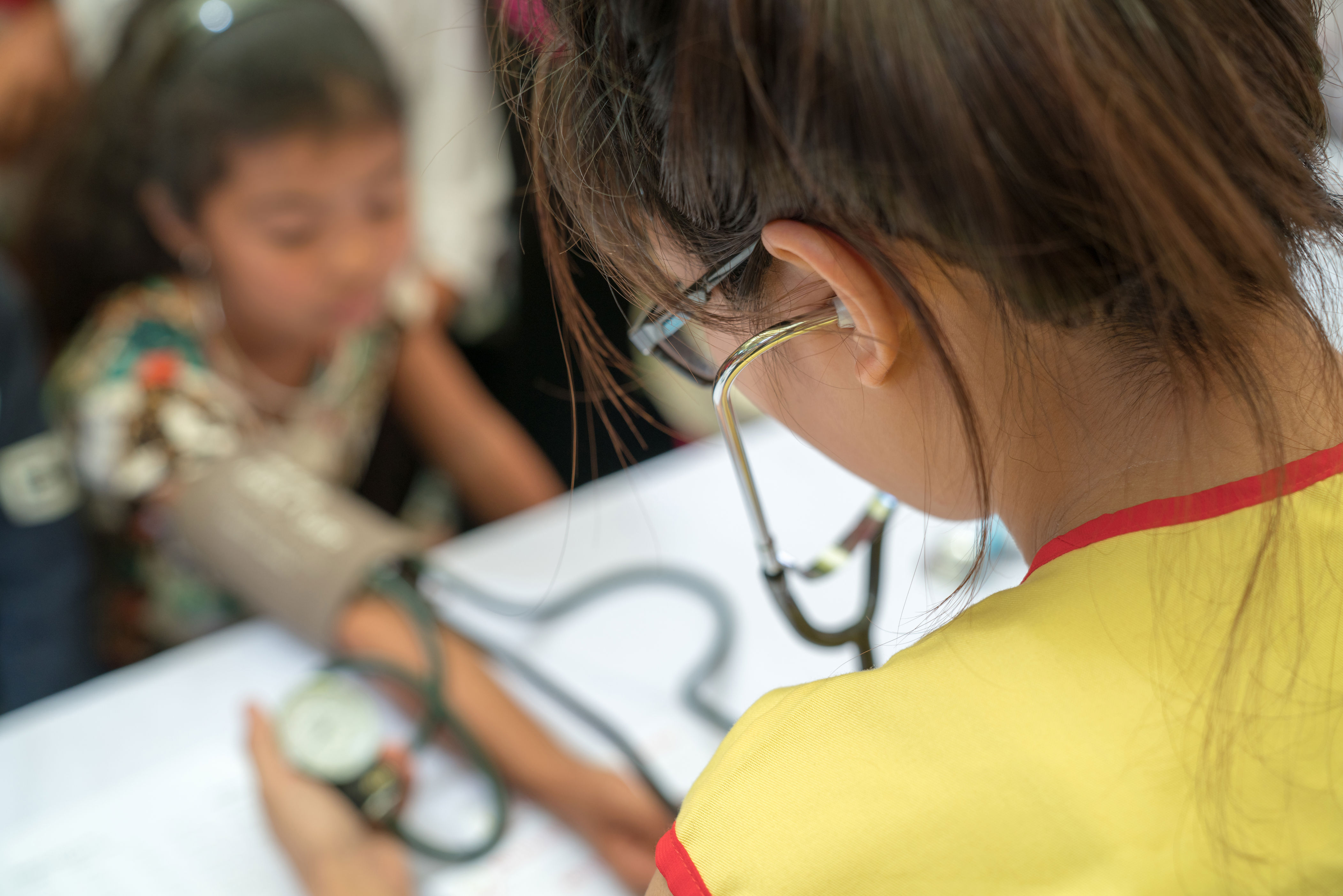
A free health clinic for migrants in Chicago is facing new challenges as the presence of Immigration and Customs Enforcement (ICE) increases throughout the city. This has forced the Mobile Migrant Health Team, a volunteer-led organization, to rethink how they provide care to their patients.
The Mobile Migrant Health Team operates on a schedule that includes clinic hours every other week. Originally formed to offer street medicine during the migrant crisis in Chicago, the team now runs a free clinic that serves immigrants from various backgrounds. However, the growing federal immigration efforts have led to a noticeable decline in patient attendance.
Kelley Baumann, the clinic lead with the team, explained that many people are scheduling appointments but then choosing not to come due to the increased ICE activity. "People are afraid to leave their homes," she said. While ICE has not directly targeted the clinic, some patients have been detained elsewhere, which adds to the fear within the community.
To address these concerns, the team has implemented new safety protocols. They have reduced public marketing of their services and now rely more on word-of-mouth referrals. Additionally, they are exploring alternative methods to meet patients' needs, such as telehealth services and health education programs.
Origins of the Mobile Migrant Health Team
The team was initially formed in response to the arrival of tens of thousands of people being bused from the Texas-Mexico border to Chicago in 2022. Many of these individuals were unhoused or temporarily sheltered in police stations without access to medical care. Over time, the team has built relationships with many of their patients, some of whom have been detained by ICE.
Baumann expressed concern about the due process rights of those who have experienced detention. "Especially for people who may have experienced detention in the past," she noted. "Kidnapping, torture, sexual assault are also all very common on migration journeys. So, to endure the fear of detention one more time, once you reach a zone where you expect to be safe, is just so traumatizing."
A Diverse Patient Base
Many of the clinic's patients are fleeing political persecution and come from Venezuela and West African countries, where health care systems are inadequate. Baumann described the situation in Venezuela as particularly dire, with hospitals lacking basic supplies and health care professionals leaving the country.
The volunteers at the clinic, many of whom are immigrants or have immigrant family members, are driven by the belief that everyone deserves access to health care. "Being able to connect with like-minded people is really helpful and can fill your cup in times like this, where it seems like everything is falling apart," Baumann emphasized. "It really is very invigorating to be working with people who see the same flaws in our systems and want to work together to address them."
Adapting to New Challenges
As the climate for migrants continues to shift, the Mobile Migrant Health Team remains committed to providing essential services. Their ability to adapt—through telehealth, education, and community outreach—demonstrates their resilience in the face of adversity. By focusing on the well-being of their patients and maintaining strong community ties, the team continues to make a meaningful impact despite the challenges they face.
Post a Comment