
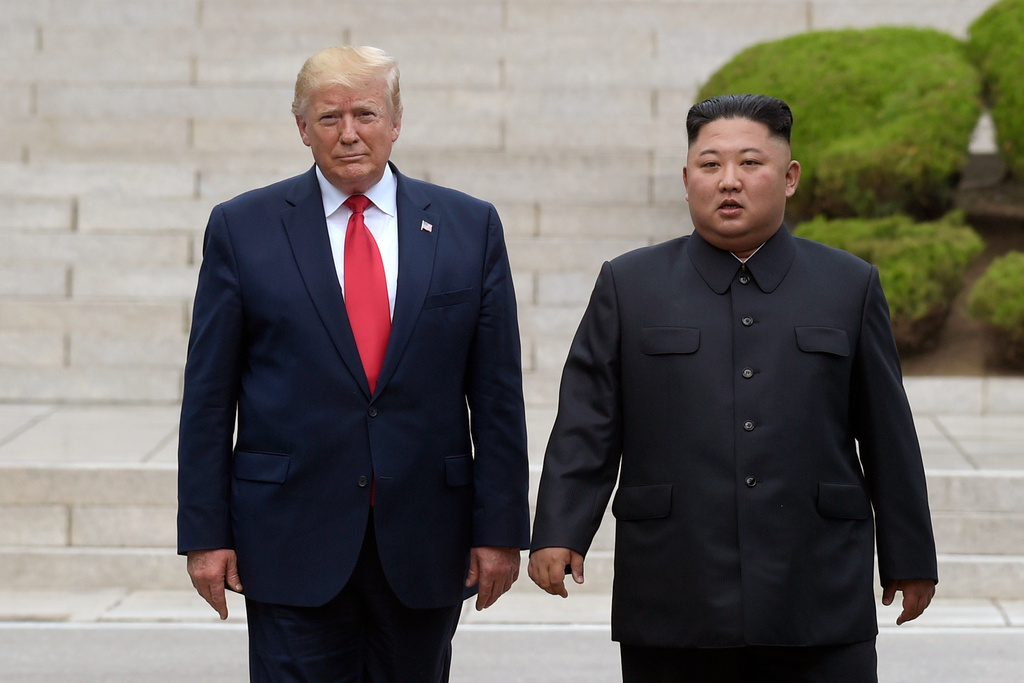
SEOUL, South Korea — In 2019, U.S. President Donald Trump made an unexpected visit to the border with North Korea, where he met with North Korean leader Kim Jong Un for an impromptu discussion aimed at reviving stalled nuclear talks. Now, as Trump prepares for his first trip to Asia since returning to office, speculation is growing that he may seek another meeting with Kim during his stop in South Korea. If this happens, it would be their first summit since their last encounter at the border village of Panmunjom in June 2019, and the fourth overall.
Experts remain divided on whether another informal meeting is likely. Some believe that while the chances are slim now, Trump and Kim could eventually sit down for discussions in the coming months. Others argue that a quick resumption of diplomacy is unlikely, given the significant changes in North Korea’s nuclear program and its foreign policy stance since 2019.
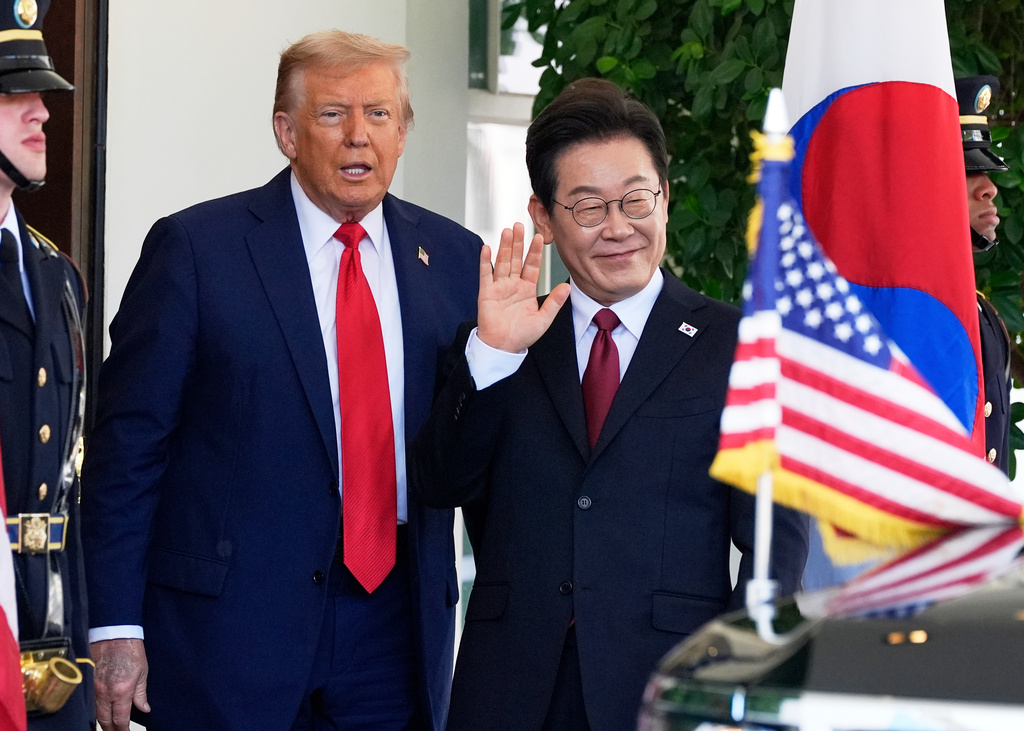
Talks of fresh diplomacy
Trump has consistently expressed his desire to reestablish diplomatic relations with Kim, often praising his relationship with the North Korean leader and referring to him as “a smart guy.” In response to Trump’s outreach, Kim recently mentioned having “good personal memories” of their interactions and suggested that he might return to talks if the U.S. abandons its focus on denuclearization.
Despite no official hints of a high-profile meeting ahead of the Asia-Pacific Economic Cooperation (APEC) meeting in South Korea from October 31 to November 1, South Korea's Unification Minister Chung Dong-young indicated that a meeting between Trump and Kim at Panmunjom in the Demilitarized Zone could still be possible. Ban Kil Joo, an assistant professor at the Korea National Diplomatic Academy, noted that recent developments, such as the suspension of civilian tours to the southern side of Panmunjom and Kim’s comments about potential talks, have increased the likelihood of such a meeting.
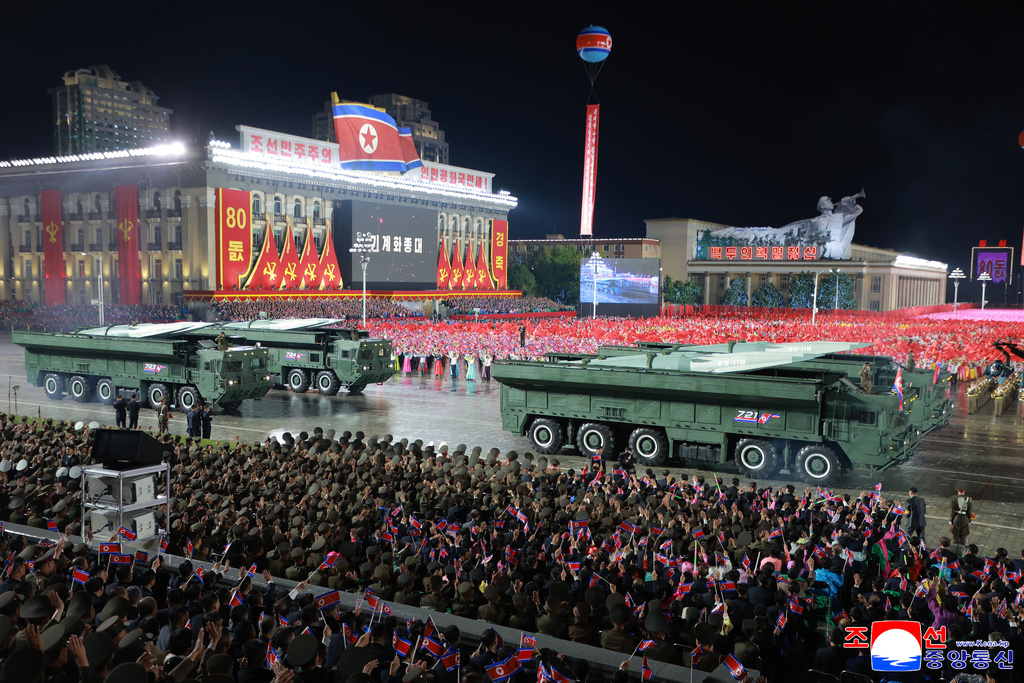
If a meeting doesn’t happen, Ban said Kim will likely decide whether to resume diplomacy with Trump during a major ruling party conference expected in January. While there have been no notable logistical preparations indicating an impending meeting, observers point out that the 2019 gathering was arranged just a day after Trump issued an unorthodox meeting invitation via Twitter.
Kim's greater leverage
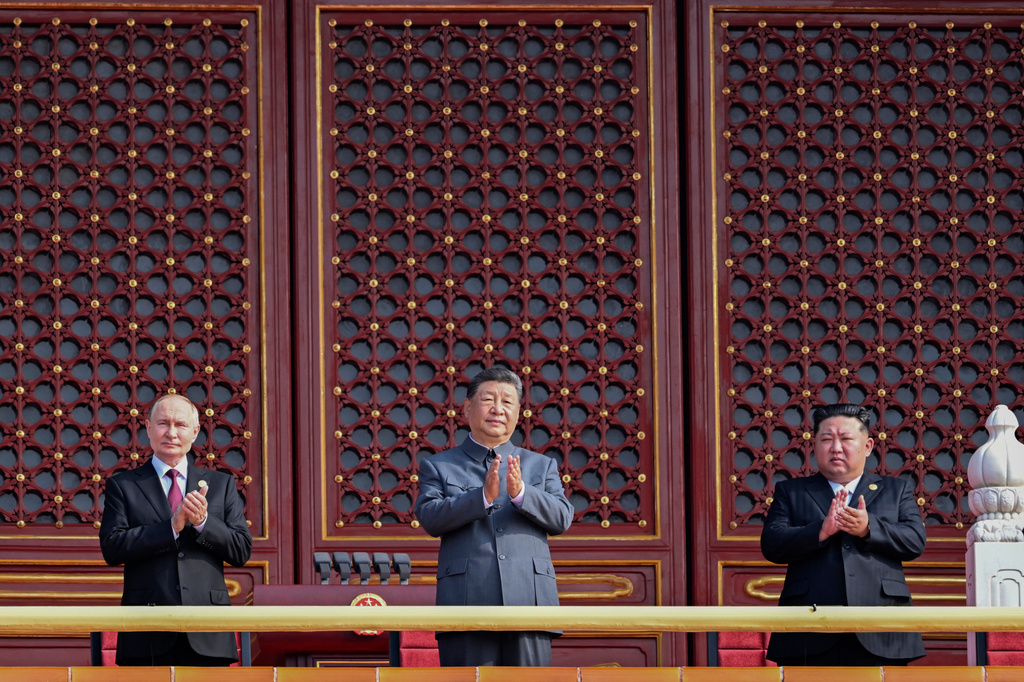
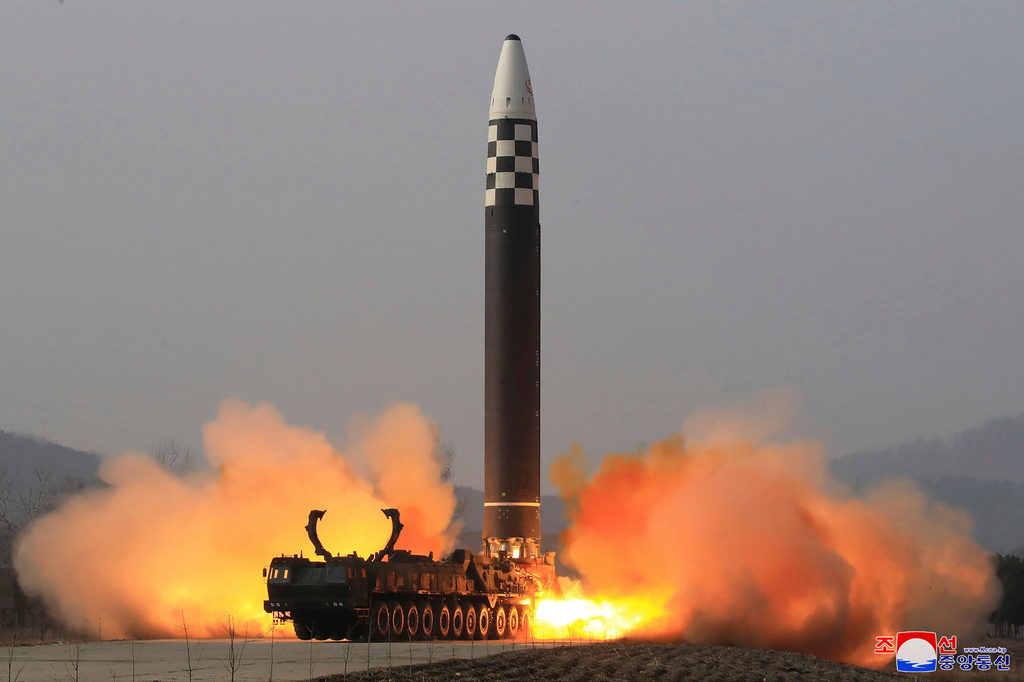
Since the previous diplomatic efforts with Trump fell apart due to disagreements over U.S.-led sanctions on North Korea, Kim has accelerated the development of a nuclear-capable missile arsenal capable of striking the U.S. and its allies. He has also strengthened his diplomatic ties by aligning with Russia over its war in Ukraine and deepening relations with China.
This shift has given Kim more leverage, making it less urgent for him to engage in talks with the U.S. compared to six years ago. However, some experts suggest that Kim may need to prepare for the possibility of the Russia-Ukraine war ending soon.
“Considering the current situation, it seems difficult to imagine Kim Jong Un coming over for talks,” said Kim Tae-hyung, a professor at Seoul’s Soongsil University. With a larger nuclear arsenal, stronger support from Russia and China, and weakened enforcement of sanctions, Kim has gained more bargaining power. He seeks recognition of North Korea as a nuclear state, which would allow for the lifting of U.N. sanctions. This stance contradicts the U.S. and its allies’ position that sanctions must remain until North Korea fully abandons its nuclear program.
“If a meeting with Kim Jong Un happens, Trump would likely boast about it and claim he can resolve the Korean Peninsula issues, so he has something to gain. But would the U.S. have something substantial to offer Kim in return?” asked Chung Jin-young, a former dean at South Korea’s Kyung Hee University.
Koh Yu-hwan, a former president of South Korea’s Institute of National Unification, believes that any meeting between Trump and Kim around the APEC meeting is unlikely to produce meaningful results. To bring Kim back to the table, Koh said Trump would need to offer something truly enticing.
North Korea's evolving threats
Even if they don’t meet this month, there are still opportunities for Trump and Kim to resume diplomacy later. Kim may see Trump as a rare U.S. leader willing to grant concessions like recognizing North Korea as a nuclear state, while Trump could view a meeting as a diplomatic achievement amid domestic challenges.
There are both hopes and concerns about potential dialogue between Trump and Kim. Some hope that diplomacy could reduce the threat posed by North Korea’s expanded nuclear arsenal. Others warn against Trump offering North Korea significant relief from sanctions in exchange for limited steps, such as freezing its long-range missile program targeting the U.S. Such deals could leave North Korea with short-range nuclear missiles aimed at South Korea.
Kim Taewoo, another former head of the Institute of National Unification, argued that even a small deal would benefit South Korea’s security, as decades of efforts to achieve complete denuclearization have yielded little progress. “If North Korea possesses the ability to strike the U.S., can the U.S. freely exercise its extended deterrence pledge in the event that North Korea attacks South Korea?” he asked, referring to the U.S. commitment to protect South Korea through its “nuclear umbrella.”
Chung, the former university dean, stated that there are virtually no chances for North Korea to give up its nuclear program. However, he warned that granting sanctions relief in exchange for partial denuclearization steps could spark calls in South Korea and Japan for their own nuclear weapons.
Post a Comment