
North Korea and Russia Strengthen Military Ties with New Memorial
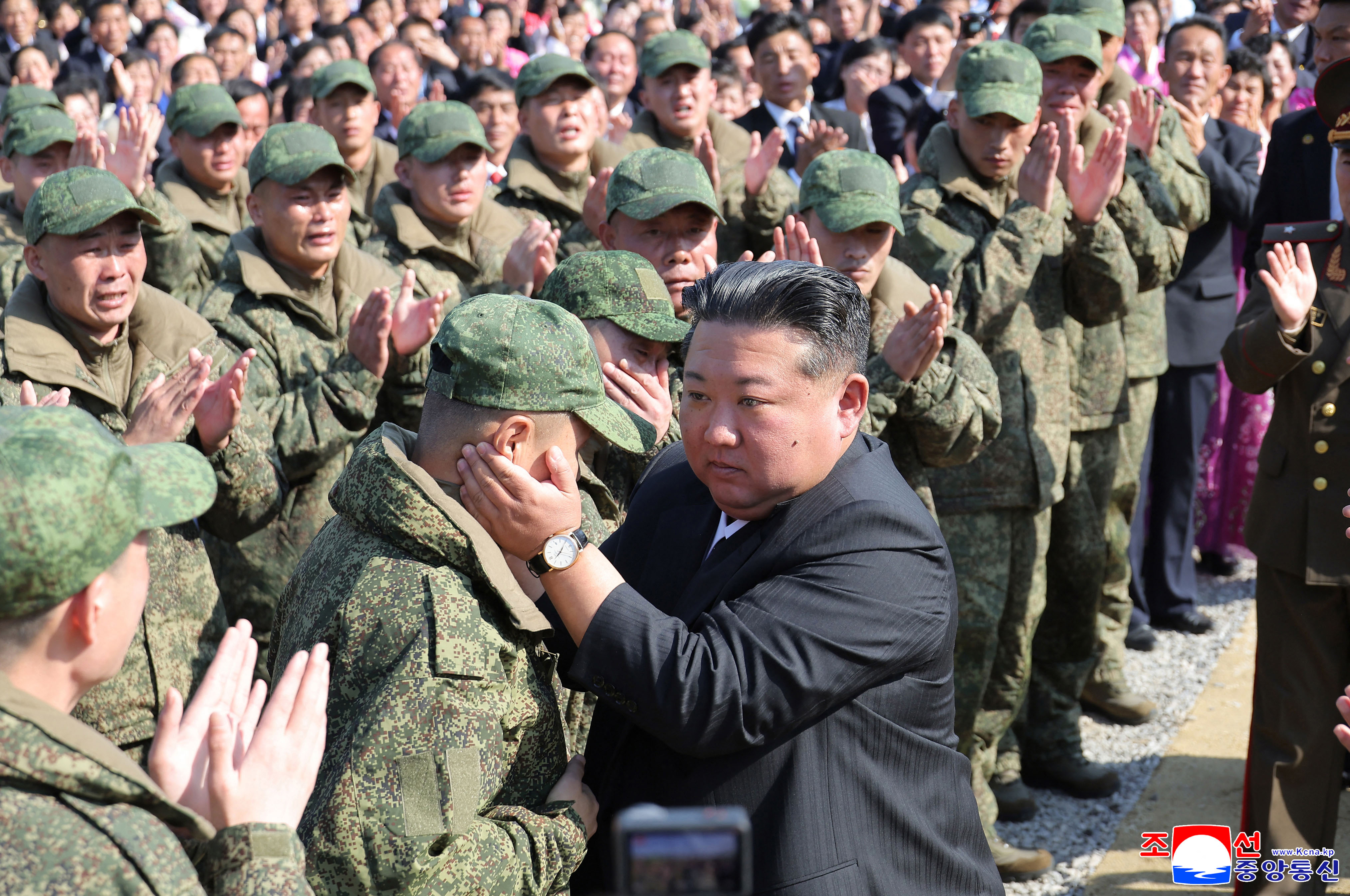
North Korea’s leader, Kim Jong Un, has celebrated the nation's "invincible" alliance with Russia, marking one year since North Korean troops were deployed to support Moscow in its ongoing conflict with Ukraine. This milestone was commemorated by the opening of a museum dedicated to the soldiers who lost their lives in battle.
During a groundbreaking ceremony in Pyongyang, Kim addressed the families of North Korean soldiers who "fought in the operations for liberating Kursk." He emphasized that the deployment of troops marked the beginning of a new chapter in the relationship between the two countries. Kim stated, according to state news agency KCNA, that "the years of militant fraternity, in which a guarantee has been provided for the long-term development of the bilateral friendship at the cost of precious blood, will advance nonstop."
He added that challenges such as "domination and tyranny" would not hinder the growing ties between Russia and North Korea. The event highlighted the latest public recognition of North Korean troops who fought to repel an incursion by Ukrainian forces into the Kursk region in 2024.
The museum, which will include a cemetery, a memorial hall, and a monument, is described as "the first of its kind" in North Korean history. Kim explained that it would honor the "shining life of the heroes and fallen soldiers of the overseas operations units," calling them "excellent sons of the Korean people and defenders of justice."
International Concern Over Growing Cooperation
In October 2024, NATO, the United States, and South Korean intelligence agencies reported evidence of North Korean troops being deployed alongside Russian forces. A month later, Kim and Russian President Vladimir Putin officially ratified a mutual defense pact, sparking international concern over the deepening military cooperation between the two nuclear-armed states.
The Treaty of Comprehensive Strategic Partnerships requires both countries to provide immediate military assistance using "all means" necessary if either faces "aggression." In April, North Korea confirmed for the first time that it had sent a contingent of soldiers to the front line to fight alongside Russian troops, contributing to the recapture of Russian territory held by Ukraine.
Kim stated at the time, according to KCNA, that the soldiers were deployed to "annihilate and wipe out the Ukrainian neo-Nazi occupiers and liberate the Kursk area in cooperation with the Russian armed forces." Kyiv and Seoul estimate that more than 10,000 North Korean troops were deployed in exchange for economic and military technology assistance from Russia.
Casualty Estimates and Ongoing Conflict
Estimates of the casualty rate among North Korean forces have varied widely. In September, South Korea’s intelligence agency reported that some 2,000 North Korean soldiers had been killed. In January, Ukraine claimed that North Korean troops were withdrawn from battle after suffering heavy casualties. It remains unclear how many North Koreans are still fighting alongside Russian forces.
Earlier this month, Ukraine reported that North Korean troops based in Russia were operating drones across the border on reconnaissance missions, marking the first report in months of North Korean soldiers engaging in battlefield roles. The Ukrainian General Staff stated that they intercepted communications between North Korean drone operators and Russian army personnel.
The same week, South Korea’s defense minister said that North Korea likely received technical help from Russia for its submarine development in exchange for its military efforts against Ukraine.
Implications for Regional Security
The continued involvement of North Korean forces in the conflict highlights the evolving dynamics of regional security. As both nations deepen their military ties, concerns grow over the potential consequences of their collaboration. The construction of the memorial museum serves as a symbol of this alliance, reinforcing the narrative of solidarity and sacrifice between the two countries.
With ongoing reports of North Korean troop activities and technological exchanges, the situation remains closely monitored by the international community. The implications of this partnership extend beyond the immediate conflict, raising questions about the future of global security and the role of non-traditional alliances in shaping geopolitical landscapes.
Post a Comment