
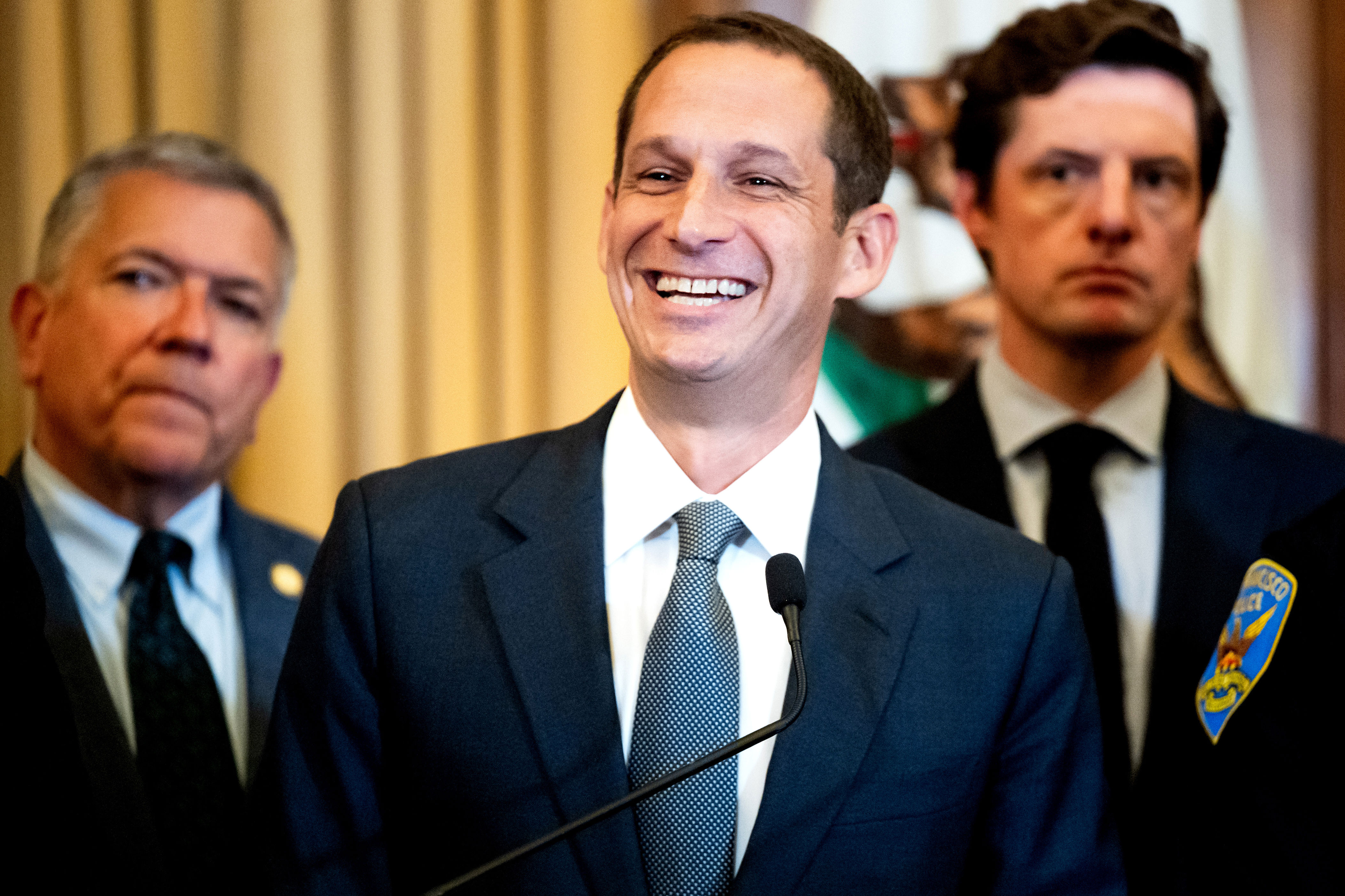
A Unique Approach to Navigating Tensions with the Federal Government
San Francisco Mayor Daniel Lurie has taken a different approach in dealing with federal authorities, particularly when it comes to interactions with former President Donald Trump. Unlike many of his peers in the Democratic Party, Lurie has avoided direct confrontation with Trump, even going so far as not to mention his name publicly. This strategy, which initially drew criticism from progressive circles in the city, appears to have yielded unexpected results.
On Thursday, Trump reportedly called off a planned surge of federal agents in San Francisco after a late-night conversation with Lurie. According to reports, Trump said the mayor had “asked very nicely” for the move to be halted. This decision marked a significant shift from Trump's usual aggressive tactics toward major liberal cities.
For Lurie, this moment was a validation of his more measured and non-confrontational approach. As a first-term mayor and moderate Democrat, he has steered clear of the partisan rhetoric that often defines political debates in the city. His background as an heir to the Levi Strauss fortune also gives him a unique position, allowing him to avoid the intense political battles that some of his counterparts face.
The Role of Tech Leaders in the Decision
The involvement of prominent tech leaders played a crucial role in this development. CEOs such as Nvidia’s Jensen Huang and Salesforce founder Marc Benioff were reportedly instrumental in persuading Trump to reconsider his actions. Their influence highlights the growing power of the tech industry in shaping national policy and political decisions.
Lurie’s allies argue that this outcome underscores his ability to leverage relationships with influential figures. They believe that his focus on public safety and avoiding political posturing has helped maintain stability in the city. This approach has resonated with voters who preferred a pragmatic leader over one engaged in constant conflict.
A Moment of Relief for San Francisco
The prospect of federal agents entering the city had caused significant concern among residents. Many had anticipated what they viewed as an act of federal aggression. However, the temporary relief brought by Trump’s decision provided a sense of calm. Lurie emphasized the importance of maintaining a positive relationship with federal authorities, especially in addressing critical issues like the fentanyl crisis.
Despite the current reprieve, there are concerns about the long-term implications of this situation. Some local leaders remain skeptical about the sustainability of this approach. Supervisor Connie Chan, a leader of the city’s progressive movement, expressed doubts about the effectiveness of Lurie’s partnership with federal agencies, fearing it could lead to increased cooperation with Immigration and Customs Enforcement.
Broader Implications and Political Reactions
The incident has drawn attention beyond San Francisco. Other Democrats, including California Governor Gavin Newsom, have acknowledged Lurie’s success but remain cautious about the broader implications. Newsom’s spokesperson, Bob Salladay, noted that while the governor is glad the situation was defused, it does not change his approach to dealing with Trump.
Newsom has faced his own challenges with Trump, particularly regarding issues like wildfire relief and tariffs. Despite his efforts to maintain a conciliatory stance, tensions have often resurfaced. This dynamic highlights the complex nature of political relationships between state leaders and the federal government.
A Complex Relationship with the White House
Trump’s decision to back down from the planned federal intervention in San Francisco reflects the intricate web of political alliances and influences at play. While some see Lurie’s approach as a success, others question whether it sets a precedent for future interactions with the administration.
The mayor’s focus on quality-of-life issues and his willingness to work with federal authorities have been praised by some, but the path forward remains uncertain. As Trump continues to make statements about crime and federal intervention, the situation in San Francisco remains a topic of discussion and concern.
Looking Ahead
As the city moves forward, the challenge will be to balance the need for federal support with the desire to maintain local autonomy. The recent events underscore the importance of strategic communication and relationship-building in navigating complex political landscapes.
While the immediate threat has been averted, the long-term impact of this situation on San Francisco and its relationship with the federal government remains to be seen. For now, the city can breathe a little easier, but the underlying issues continue to require careful attention and thoughtful action.
Post a Comment