
The Rise of Misinformation: A Closer Look at Robert F. Kennedy Jr.'s Claims
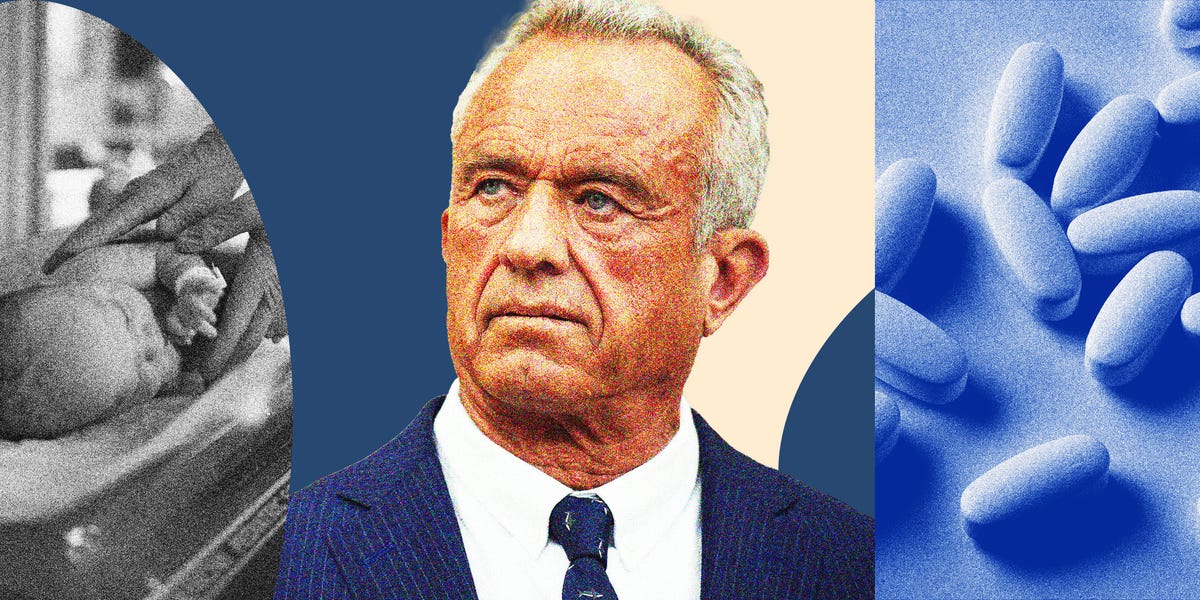
Robert F. Kennedy Jr., the health secretary, has long been associated with controversial claims about autism. Previously, he pointed to vaccines as the cause, but now his focus has shifted to Tylenol and circumcision. These statements have sparked significant debate among medical professionals and the public.
In a Cabinet meeting on October 9th, Kennedy—who is neither a medical doctor nor an autism researcher—reiterated a debunked claim that boys who undergo circumcision are “twice as likely” to be diagnosed with autism compared to those with intact penises. He further suggested that this could be due to the use of Tylenol after the procedure. These assertions follow previous warnings from both Kennedy and President Donald Trump about avoiding Tylenol during pregnancy.
Debunking the Myths
Medical experts emphasize that there is no scientific evidence supporting these claims. Gabrielle Dauer, MD, a double board-certified pediatrician, states that no studies show a causative relationship between circumcision or Tylenol and autism. Understanding how these myths gained traction requires examining the research behind them.
A Pattern of False Claims
Kennedy’s history of citing studies to support his theories is well-known. His latest iteration about autism misinformation includes references to two small, outdated studies that do not support his claims. He mentioned "confirmation studies" that supposedly show a link between early circumcision and higher autism rates, but such studies do not exist.
The Flawed Research
The first study Kennedy might be referencing is a 2013 study published in Environmental Health, which noted a correlation between rising acetaminophen (Tylenol) use and autism diagnoses. However, the authors clearly stated that their findings were correlational, not causal. They called for more rigorous research, emphasizing the need for further investigation.
Another study, published in the Journal of the Royal Society of Medicine, examined a large cohort of Danish boys and found a slight overrepresentation of autism cases among circumcised boys. However, correlation does not imply causation, and the study did not account for factors like healthcare access or cultural differences.
The Role of Diagnostic Bias
George F. Ellis, MD, a urologist, explains that families who choose circumcision may have greater interaction with the healthcare system, leading to earlier diagnosis of developmental differences. This could create a false impression of a link between circumcision and autism, rather than a biological cause.
The Science Behind Autism
Current research indicates that autism results from a combination of genetic, environmental, and developmental factors. Dr. Oreck notes that autism is not caused by a single factor or event. A 2024 study in JAMA found no connection between parental Tylenol use during pregnancy and autism. Researchers analyzed records of over 2.5 million children and found no causal association.
The American Academy of Pediatrics also states that when administered as recommended, Tylenol does not increase the risk of autism. Similarly, circumcision is considered safe when performed by trained professionals. Dr. Houman emphasizes that there is no credible evidence linking circumcision to autism.
Cultural Context and Misinformation
Circumcision is often performed for religious, cultural, or personal reasons. Dr. Houman highlights that in some cultures, it is a longstanding tradition. Attacking circumcision without evidence can lead to xenophobic or culturally insensitive rhetoric. Parents should make informed decisions based on facts, not fears.
The Consequences of False Claims
Misinformation can have serious consequences. Pregnant individuals avoiding Tylenol due to fear may forgo treatment for fevers, which can pose risks to fetal development. Dr. Dauer stresses that such claims increase stigma against people with autism and ignore the contributions of many autistic individuals to society.
Ultimately, the science is clear: Neither Tylenol nor circumcision causes autism. While Kennedy's claims may generate headlines, they lack scientific foundation and can harm public health. It is crucial to rely on evidence-based information and avoid spreading unfounded theories.
Post a Comment