
The Growing Concern Over Tylenol and Autism
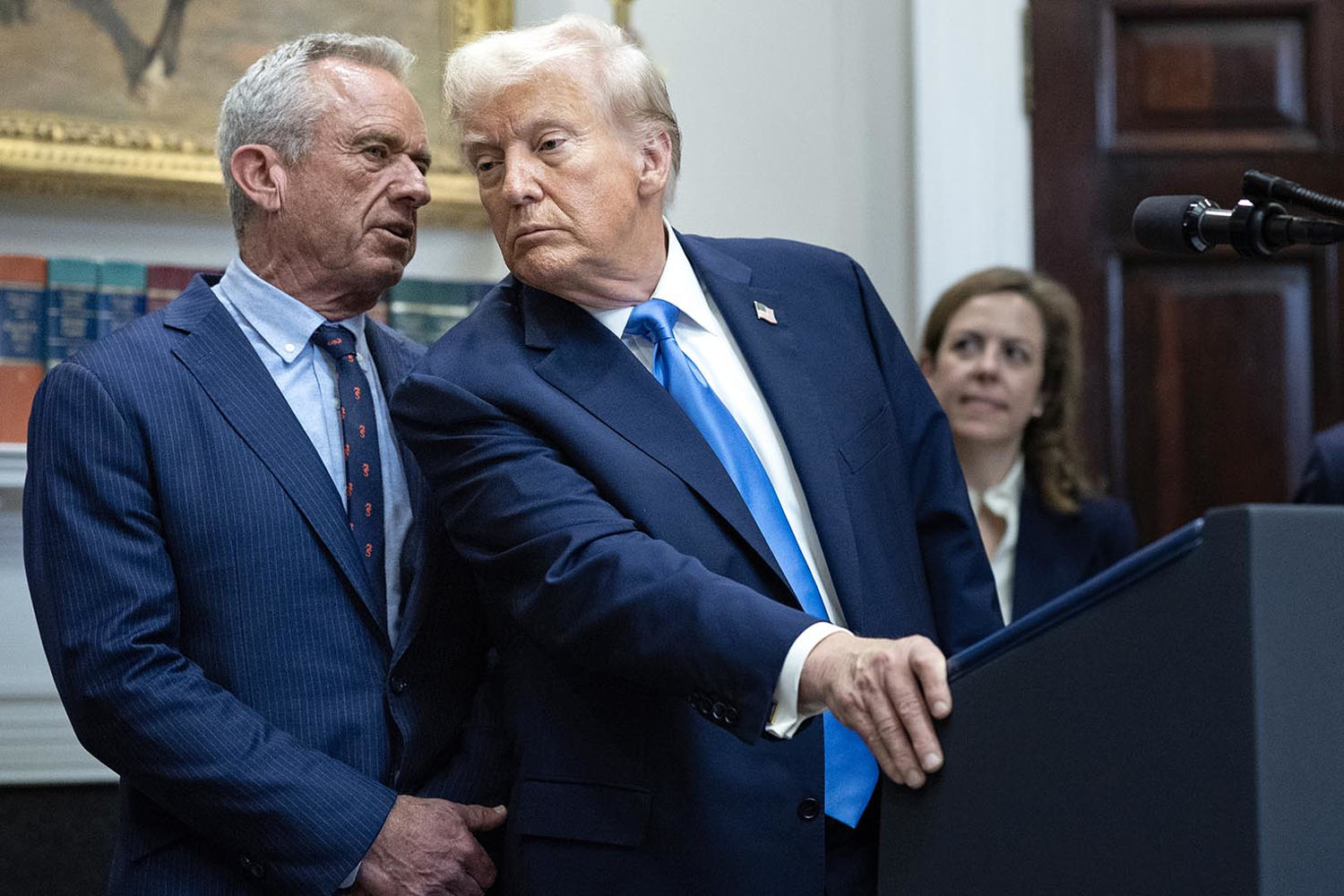
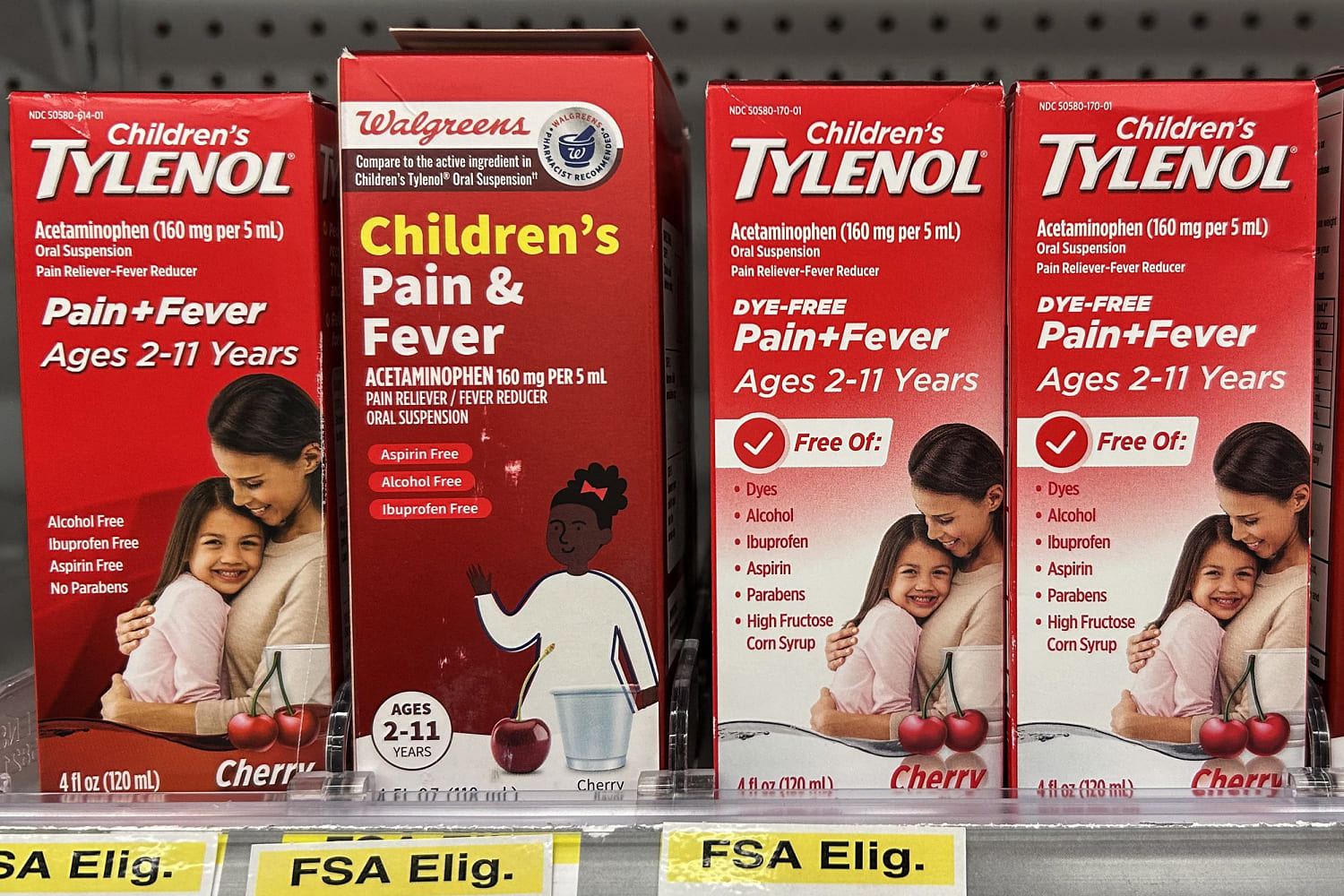
A recent surge in public concern about the safety of Tylenol, a common over-the-counter pain reliever, has sparked significant debate among medical professionals and the general public. This issue began with an unsubstantiated warning that taking Tylenol during pregnancy could increase a child’s risk of autism. However, the message from high-profile figures such as former President Donald Trump and Health Secretary Robert F. Kennedy Jr. has expanded to suggest that babies and young children should avoid the medication altogether.
Trump, speaking at a Cabinet meeting, advised against giving Tylenol to newborns, while Kennedy claimed that children who are circumcised have higher autism rates due to the use of Tylenol. These statements have raised alarm among researchers, who argue that the link between Tylenol and autism is not supported by scientific evidence.
David Mandell, a psychiatry professor at the University of Pennsylvania, emphasized that there is even less evidence supporting a connection between Tylenol use in early childhood and autism than there is for its use during pregnancy. According to Mandell, the bulk of scientific evidence indicates that moderate Tylenol use is safe during pregnancy, and many autism researchers do not find a causal link to autism. The American Academy of Pediatrics also supports the safety of Tylenol when taken correctly under a pediatrician's guidance, though it cautions against giving it to children younger than 12 weeks unless recommended by a doctor.
Regulatory Actions and Public Statements
The initial announcement regarding Tylenol and autism came on September 22, when Trump and Kennedy unveiled regulatory actions aimed at limiting the medication's use during pregnancy. Although Trump warned pregnant women to "fight like hell not to take it," the actual policy changes were more subdued. The Food and Drug Administration (FDA) issued a letter asking physicians to consider minimizing the use of acetaminophen during pregnancy for routine low-grade fevers. However, the FDA acknowledged that Tylenol is the safest over-the-counter pain reliever during pregnancy and stated that no causal relationship has been established with autism.
Despite this, both Trump and Kennedy have continued to spread warnings about Tylenol, which represents a significant departure from the FDA's messaging. On Truth Social, Trump wrote that young children should not take Tylenol for virtually any reason, while Kennedy reiterated his claim about circumcision and autism on X, stating that the observed correlation in circumcised boys is best explained by acetaminophen exposure.
Scientific Community's Response
Dr. Joshua Gordon, chair of the psychiatry department at Columbia University, highlighted that the growing concerns about Tylenol reflect a common tactic used by those who seek to attribute autism to vaccines or medications. He noted that figures like Kennedy often shift their focus once the scientific community addresses one concern, prolonging the debate. This pattern is similar to how the anti-vaccine community initially raised concerns about the measles, mumps, and rubella vaccine, then shifted to mercury-based preservatives and the cumulative number of vaccines given.
Gordon added that no amount of scientific evidence can ever be conclusive for this group, comparing the debate to a hydra: "You cut off one head and they’re just going to try to emerge with another."
Industry and Medical Perspectives
The Department of Health and Human Services did not respond to requests for comment, but White House spokesperson Kush Desai defended the President's stance, stating that he is right to express his commonsense opinion that Americans should use caution with all medications and follow FDA guidance. A spokesperson for Kenvue, the maker of Tylenol, emphasized that the medication is one of the most widely studied pain relievers for infants and children, with numerous clinical trials supporting its safety when used as directed.
Mandell pointed out that claims linking Tylenol to increased autism rates are based on low-quality studies that do not prove causation. He cited a small study that found younger children with autism were more likely to take acetaminophen for a fever compared to those without the disorder. However, he noted that the study had limitations, including reliance on parental recall and the possibility that children with autism may be more prone to discomfort, leading to more frequent use of the medication.
William Parker, an immunologist, has contributed to the theory that autism can be attributed to acetaminophen use in babies and young children. Kennedy cited a paper by Parker on X, which claims "overwhelming evidence" that acetaminophen triggers autism. However, the paper has not been peer-reviewed or published in a scientific journal.
Kennedy also referenced a Danish study from 2015 that suggested a possible link between circumcision and autism, but the study authors stated they could not attribute the effect to Tylenol.
Expert Opinions and Clinical Practices
Dr. Sian Jones-Jobst, a pediatrician and president of Complete Children’s Health, noted that very few pediatricians administer Tylenol for circumcisions, as the common practice is to use a numbing medication. She added that in other situations, Tylenol is a useful tool to reduce fever or pain.
"You shouldn’t let your child suffer if they’re obviously uncomfortable," Jones-Jobst said.
Post a Comment