
A Major Shift in Detroit’s Downtown
One of the longest-serving tenants of Detroit's downtown has made a significant move, announcing that it will be relocating its headquarters out of the Renaissance Center. The data-mapping company Urban Science shared this news on Tuesday, shifting its home to One Campus Martius after nearly fifty years in the GM-owned building.
"It's a little bittersweet to think about leaving a place that we've called home for so long," said Rebecca Gualdoni, chief human resources officer of Urban Science. "Towards the end of last year, General Motors reached out to us to talk about their future plans for that location, and really, we've been working collaboratively with them since that time to figure out what is the right transition."
This announcement comes not long after the auction of the 334,000-square-foot building back in March. Built in 1980 and renovated last year, the building is zoned for office and residential use, as well as hotel and retail spaces. We did some digging and found that now, it sits mostly vacant, at 11% occupancy, and is only getting smaller.
"My understanding was that some of the space that we occupy might be repurposed, and so we decided, as they were evolving through their plans, that we would think about transitioning to a different building," said Gualdoni.
With the Motor City preparing to elect its first new mayor in over a decade, CBS News Detroit wanted to know how the top two candidates are responding to this announcement. CBS News Detroit reached out to both current City Council President Mary Sheffield and Rev. Solomon Kinloch for interviews on the matter and received the following statements:
Mary Sheffield
"It is unfortunate that another company has chosen to depart from the Renaissance Center. With that said, it is my understanding that this iconic part of Detroit's Skyline is rapidly becoming functionally obsolete and, due to its design, retrofitting the buildings is extremely cost-prohibitive."
"It is my hope that the elected and business leadership in our City, Region and State can put our collective minds together towards a solution which will preserve our skyline and repurpose and reimagine the Renaissance Center so it can once again serve as an economic catalyst for Detroit. I, for one, am personally committed to ensuring the Renaissance Center does not become the next national symbol of urban decay in America like the train station has been in the past."
Solomon Kinloch
"The RenCen is a privately owned building, but they're asking for public dollars. Public dollars deserve public input. That has not been the case to this point. There's been no meaningful public engagement about the future of the site and no concrete commitment to our residents about how it will benefit the city. As mayor, I will lead a robust discussion among residents and stakeholders to ensure taxpayers are heard and protected."
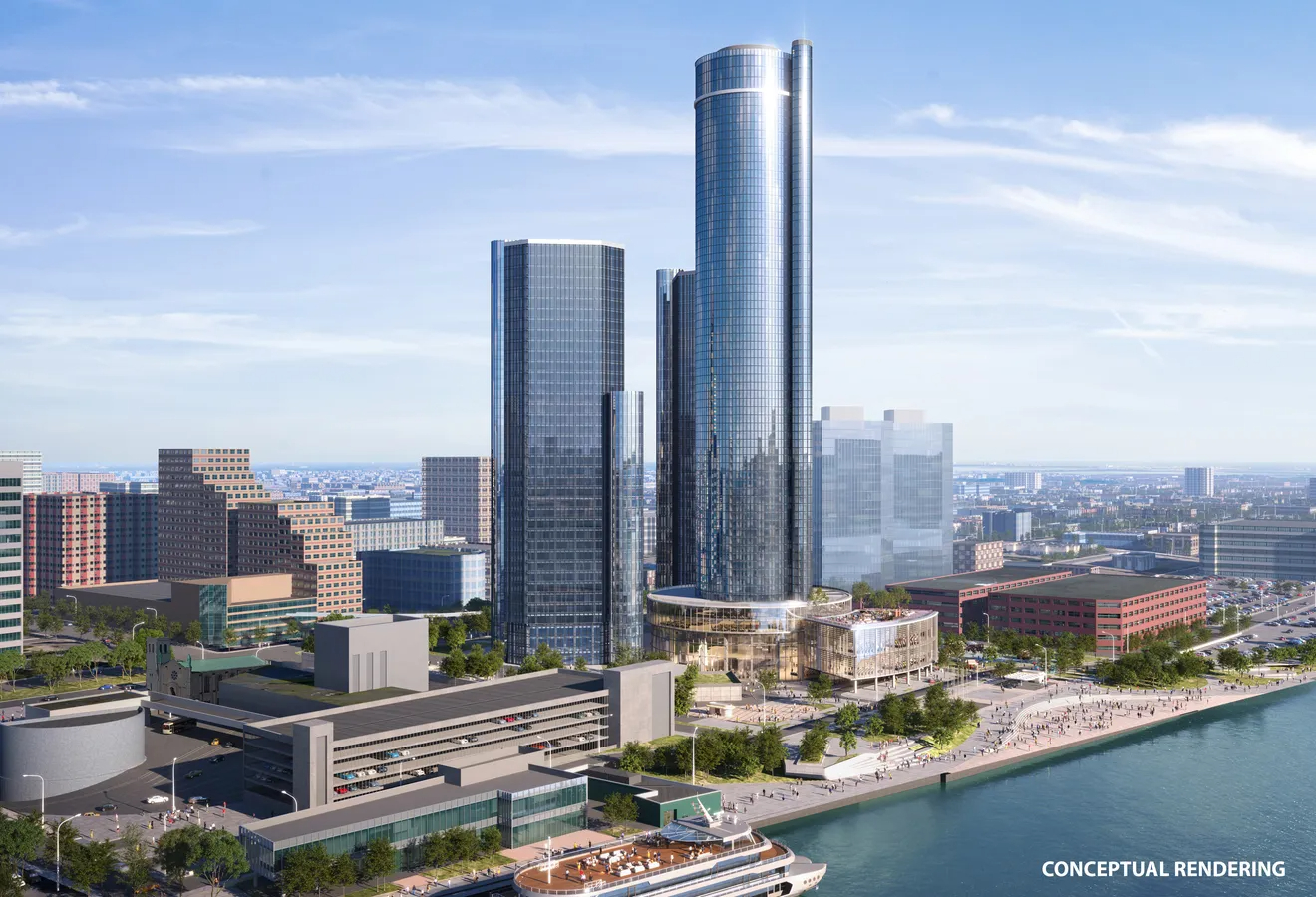
In looking at the timeline of the downtown landmark, General Motors and Bedrock revealed their plans to tear down the Renaissance Center's 300 and 400 towers to create free land for public use, with developers hoping to turn the area into a hub that more closely resembles global landmarks like Chicago's Navy Pier.
Gualdoni says those decisions are a great indicator of what Urban Science is also trying to do, and she looks forward to seeing what they can both accomplish.
"It paints a very exciting future for that space, so I'm really looking forward to see how it, too, revolutionizes that space," he said.
Construction on Urban Science's new space is set to begin later this year.
Impact on the Local Economy
The departure of Urban Science from the Renaissance Center signals a broader shift in the local economy and real estate landscape. As companies reassess their presence in the downtown area, the focus is turning toward revitalization and sustainable development. This move could potentially open up new opportunities for other businesses and startups looking to establish themselves in a dynamic environment.
Moreover, the decision by General Motors and Bedrock to redevelop the Renaissance Center highlights the importance of adaptive reuse in urban planning. By transforming underutilized spaces into vibrant community hubs, cities can foster economic growth while preserving their historical identity.
As the city moves forward, the collaboration between private and public sectors will be crucial in shaping the future of Detroit's skyline. The upcoming mayoral election presents an opportunity for leaders to prioritize initiatives that support economic revitalization and community engagement.
Looking Ahead
With the relocation of Urban Science and the potential redevelopment of the Renaissance Center, the future of Detroit's downtown appears to be on the cusp of transformation. The coming months will be critical in determining how these changes will impact the city's economy, culture, and overall quality of life for residents.
The role of public input and stakeholder engagement cannot be overstated. As the city navigates this period of change, it is essential that all voices are heard and considered in the decision-making process. Only through collective effort can Detroit continue to evolve into a thriving, inclusive, and innovative urban center.
Post a Comment