
Understanding Backup Power Solutions for Emergencies
When the power grid fails, your options become limited quickly. A flashlight or a candle may offer some light, but they won’t keep your fridge running, charge your phone, or power a medical device. To stay safe and functional during outages, you need a reliable backup plan that can handle the demands of modern living.
Not all emergency power solutions are created equal. Some setups come with high costs and underperform when it matters most. Here are several options that work effectively and remain dependable even in challenging conditions.
Gas-Powered Generators
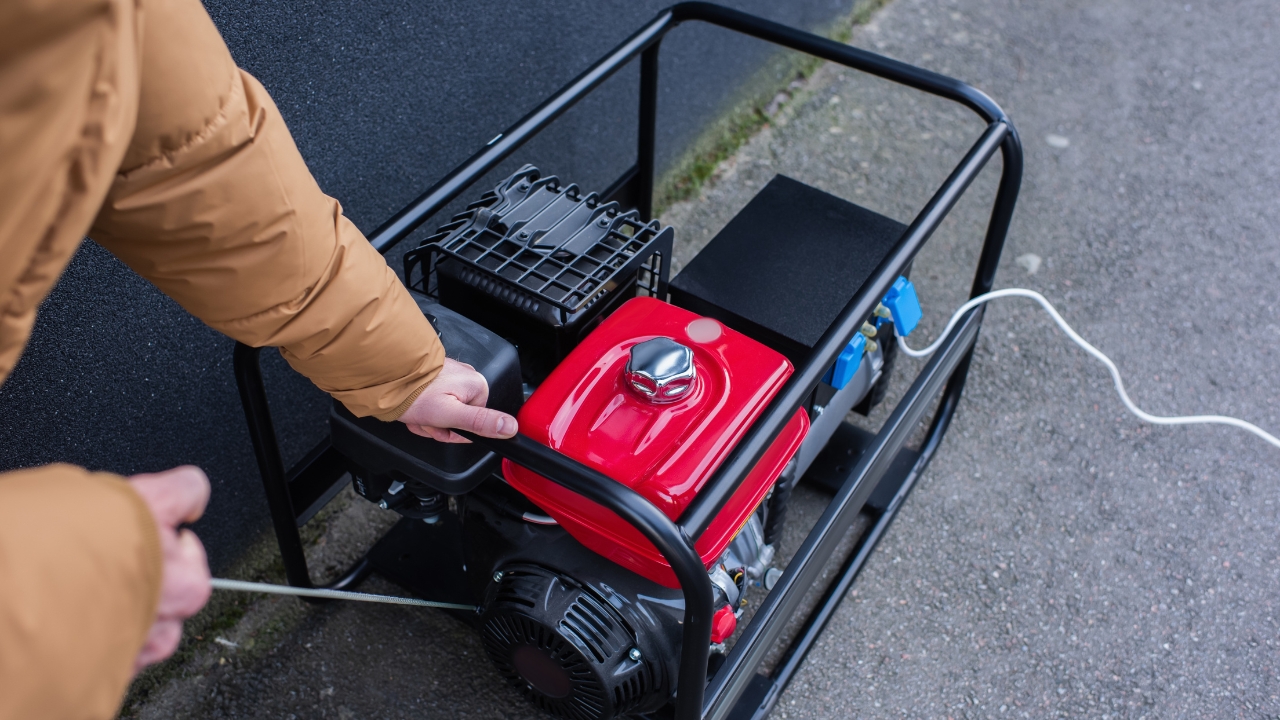
Gas-powered generators are among the most common backup power solutions due to their reliability and affordability. They are capable of powering large appliances like refrigerators or freezers as long as fuel is available. However, they require proper storage of gasoline, which can be a challenge. These generators are also quite loud and must be operated outdoors to prevent carbon monoxide buildup. If you live in a rural area or don’t mind the noise, gas generators are a solid choice for short-term power outages.
Propane Generators
Propane generators offer a cleaner and more flexible alternative to gas models. They operate more quietly and store better over time, making them ideal for long-term planning. You can connect them to large propane tanks or use smaller canisters for emergencies. While they tend to be more expensive upfront, they are safer to store indoors and do not degrade like gasoline. Proper ventilation is still necessary, but they are easier to manage in off-grid situations.
Solar Generator Kits
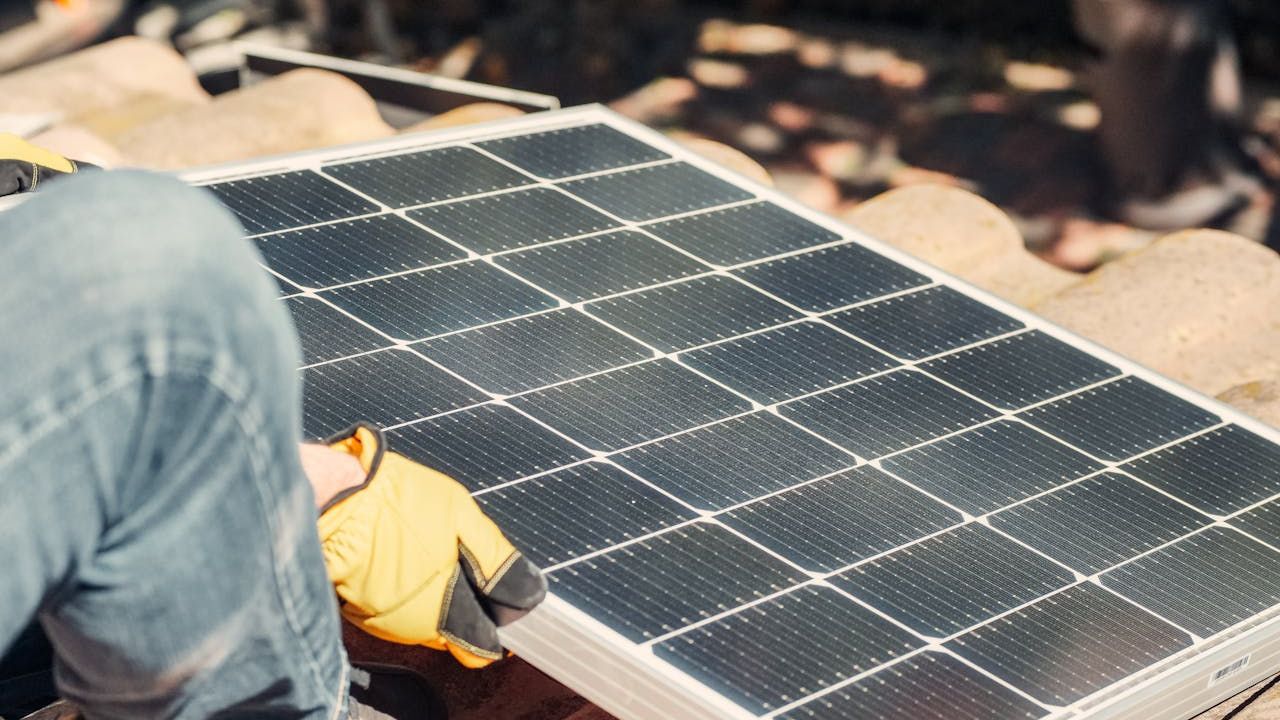
Solar generator kits are popular for their quiet operation, safety, and independence from fuel. These systems can be set up to charge during the day and provide energy at night. They are excellent for charging phones, powering lights, and running small appliances. The trade-off is their power capacity; unless you invest in a larger system, they may not support heavy-duty equipment like a refrigerator for extended periods. Nonetheless, they are a low-maintenance solution for short outages or camping trips.
Portable Power Stations
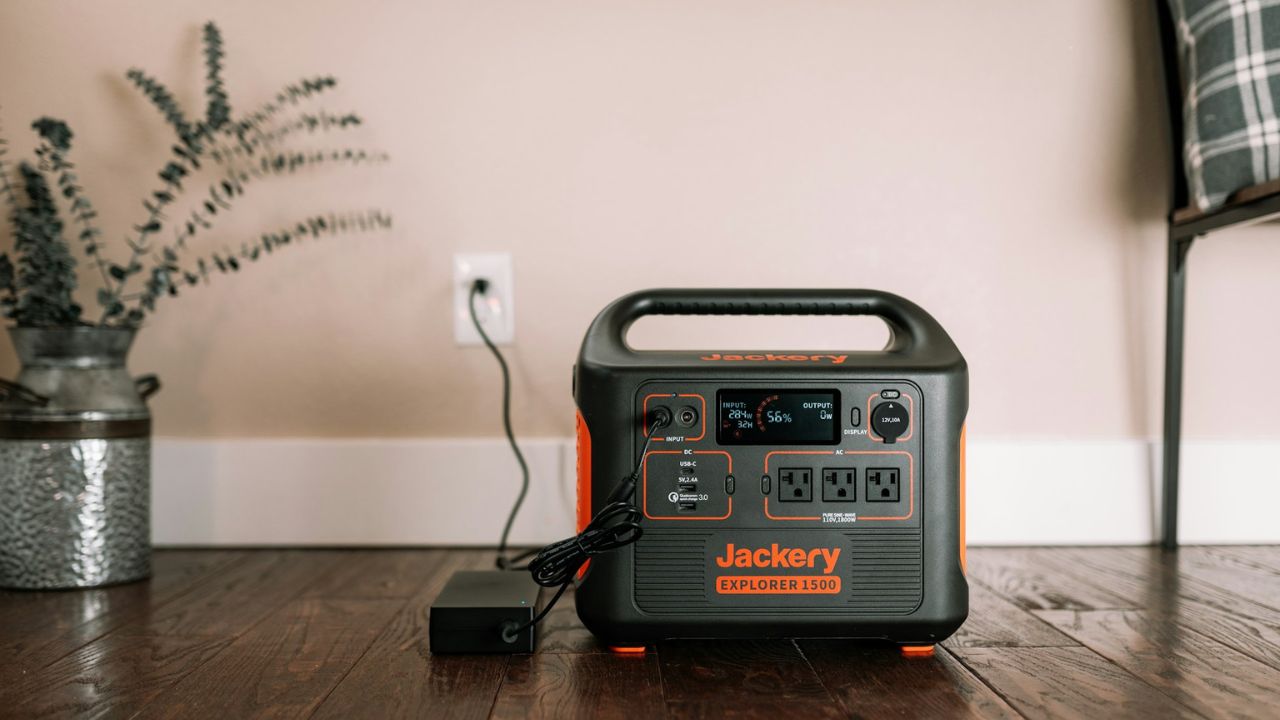
Portable power stations function like large battery packs with multiple outlets. They are charged in advance and ready to use when the power goes out. These devices produce no fumes, noise, or fuel requirements, making them ideal for keeping essential electronics running. However, their capacity is limited by how much charge they can hold. Some models can recharge via solar panels, adding versatility. They are best suited for short-term power needs rather than prolonged blackouts.
Inverter Generators
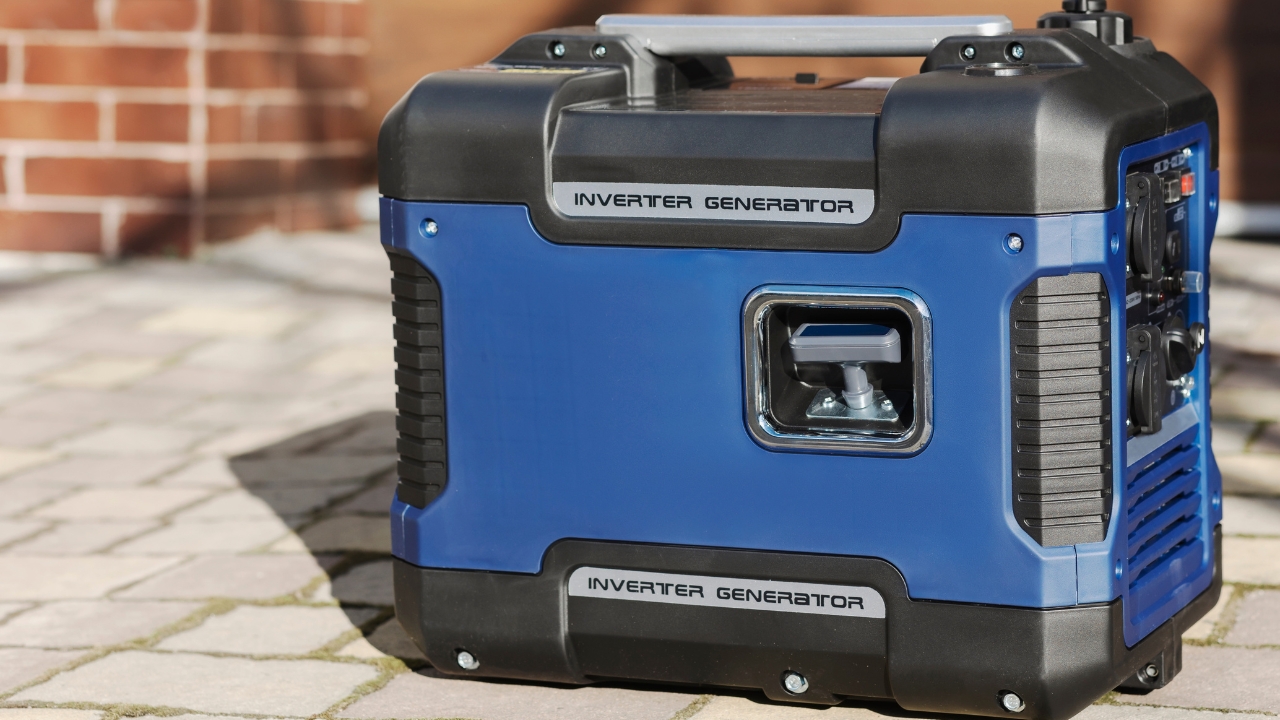
Inverter generators are a more advanced version of standard gas generators. They are quieter, more fuel-efficient, and produce cleaner power suitable for sensitive electronics like modems, phones, or laptops. Although they cost more than traditional models, they are a worthwhile upgrade if you prefer a quieter and more stable power source. These generators are particularly well-suited for suburban homes where noise levels matter.
Car Battery Inverters
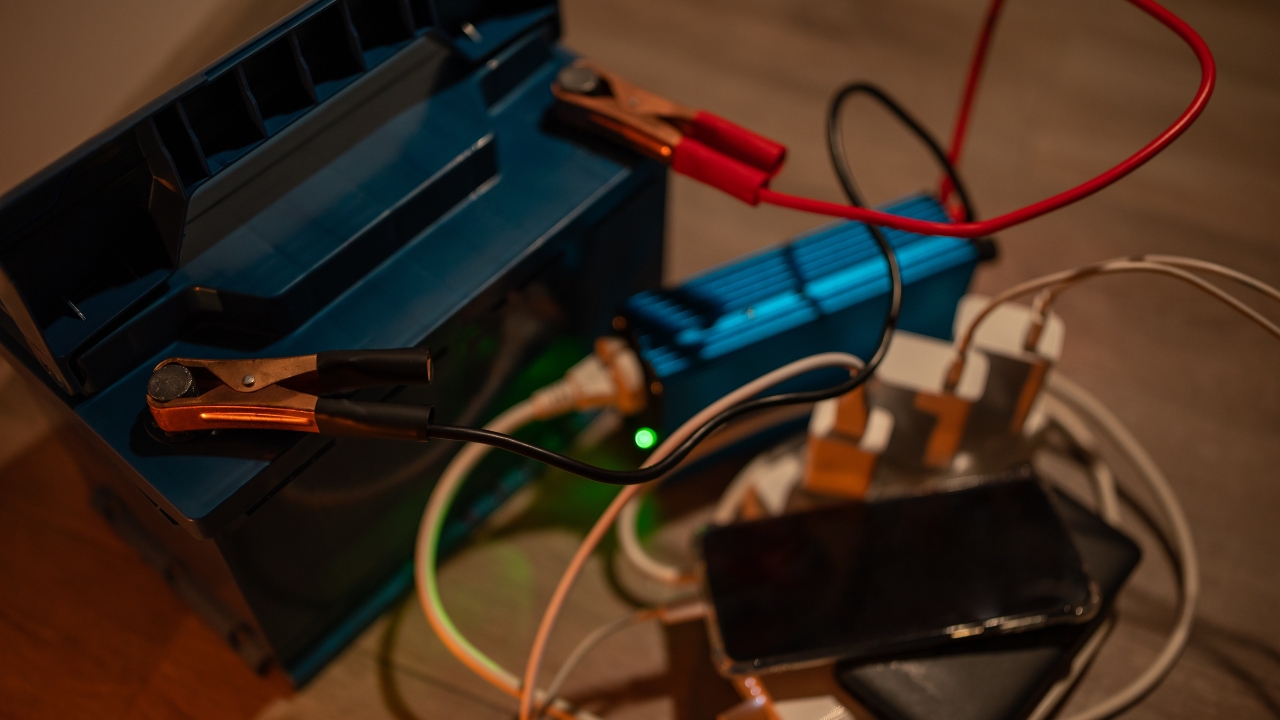
Car battery inverters serve as a quick fix rather than a long-term solution. Using a car battery and an inverter, you can power small items such as a phone, a light, or a fan. This method is not sustainable for extended periods and can drain your car battery quickly if used improperly. Still, it’s a useful option in emergencies when other power sources are unavailable.
Deep-Cycle Battery Bank
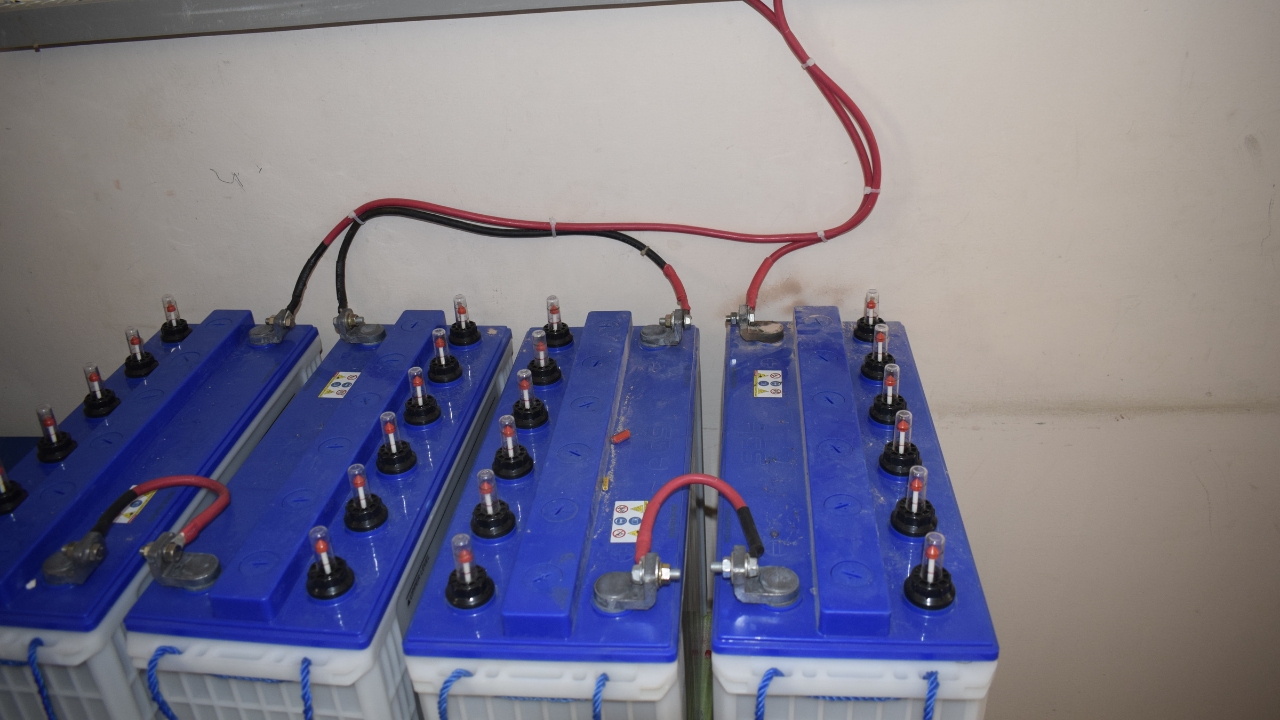
For those serious about off-grid power, a deep-cycle battery bank offers greater storage and reliability compared to portable power stations. These systems are often used in conjunction with solar panels or wind power. While setting up and maintaining a deep-cycle battery bank requires more effort, it provides consistent backup without relying on fossil fuels. If you're looking for a sustainable power solution, this setup is worth exploring.
Whole-House Backup Systems
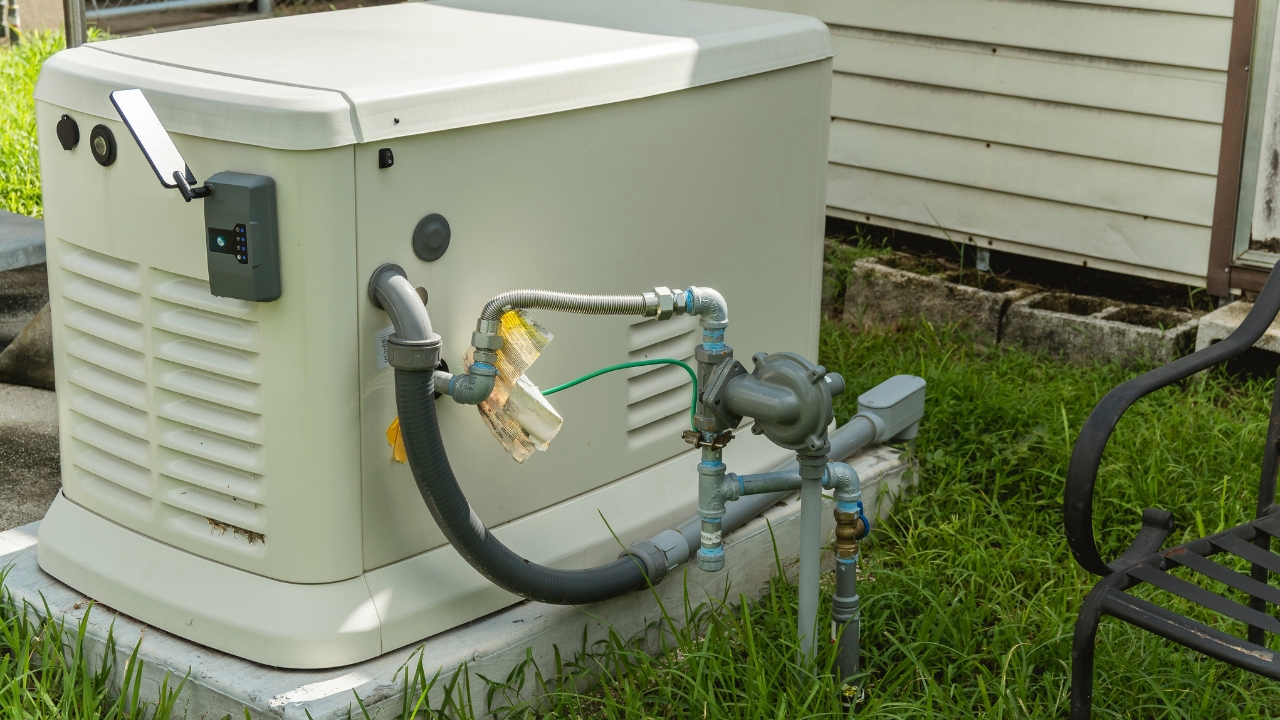
Whole-house backup systems are professionally installed and automatically activate when the grid fails. Typically powered by natural gas or propane, these systems are designed to run your entire home or at least the essentials. While they are costly, they eliminate the stress of power outages. If you live in an area prone to storms or unreliable grid service, investing in a whole-house system could be a smart decision.
Wind Turbines
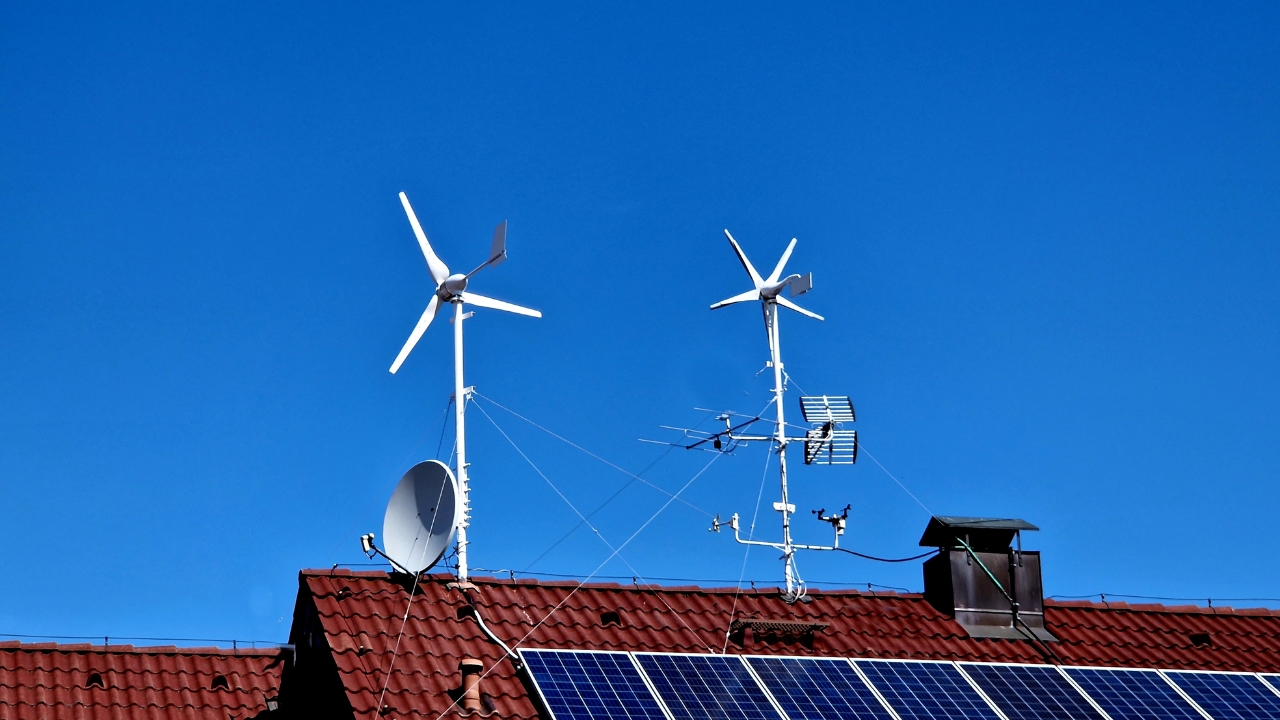
For individuals in open rural areas, wind turbines can be a valuable supplement to solar power. Although wind energy is not always consistent, it can help maintain power when the sun isn't shining, especially when paired with a battery bank. Setting up a wind turbine involves more complexity, and zoning or permitting may be required. However, if your location experiences regular wind and you’re building an off-grid system, wind power is worth considering.
Manual Options for the Basics

Don’t overlook the value of manual alternatives. Oil lamps, hand-crank radios, and solar-powered lanterns provide light and communication without relying on electricity. These tools ensure you have access to basic necessities during long-term outages. Having multiple layers of backup—both powered and manual—can significantly improve your resilience during power failures.
Post a Comment