
Ohio has made a significant effort to enhance reading scores by implementing the science of reading, but the results have been mixed over the past two years. Despite Governor Mike DeWine’s push for this change, reading scores have not shown the expected improvement. Third-grade English Language Arts proficiency dropped from 62% in spring 2023 to 61% earlier this year. Although there was a temporary increase to 65% in 2024, it was short-lived as scores fell again in the following school year.
It remains unclear whether these outcomes are cause for concern or simply part of the transition as Ohio joins other states in shifting toward phonics-heavy lessons. Supporters of the science of reading believe that small improvements should be visible quickly, even if larger gains take time. However, some educators and advocates suggest that patience is necessary, as early adopters of the science of reading have seen progress in certain districts.
In the Elyria school district, located about 30 miles west of Cleveland, educators are hopeful that their continued efforts will soon yield positive results. Andrea McKenzie, an Elyria literacy specialist, acknowledges that scores haven’t improved since the district switched to the science of reading in 2022. However, she notes that this year’s third graders, who have been using the new curriculum since kindergarten, are on track for an 11-point jump in proficiency rates based on standardized progress tests.
“This is the moment I have been waiting for,” McKenzie said. “I’ve been waiting for these students to get to third grade to see this through, so I feel like this is the year.”
While most schools adopted the science of reading after DeWine’s initiative in 2023, Ohio law allowed schools until this fall to fully implement the changes. Teachers need time to adjust to the new approach, and even Mississippi, which is often cited as a model for Ohio, took several years before seeing significant gains.
Chris Woolard, chief integration officer of the Ohio Department of Education and Workforce, emphasized that this school year is the first time all schools must be fully using the science of reading. He noted that some districts were already well into their implementation, while others were still in the early stages.
Melissa Weber-Mayrer, Ohio’s chief of literacy, called this year “pivotal” as schools now have to fully adopt the science of reading. However, she cautioned that it could take three to five years before statewide improvements are evident. She added that local progress might be seen in specific grades, schools, or buildings within larger districts.
Elyria, a district with just under 6,000 students, is one of the few that has been recognized for its rapid adoption of the science of reading. The district’s four elementary schools were named Science of Reading Champions by DeWine last spring. Despite this recognition, Elyria’s third-grade reading proficiency fell from 45.8% in 2023 to 43.8% this spring.
The district has invested heavily in the science of reading, including adopting the Core Knowledge Language Arts curriculum and enrolling teachers in the Language Essentials for Teachers of Reading (LETRS) training. Over the past two years, 34 teachers started the two-year program, with 30 more joining in 2024 and another 22 starting this school year.
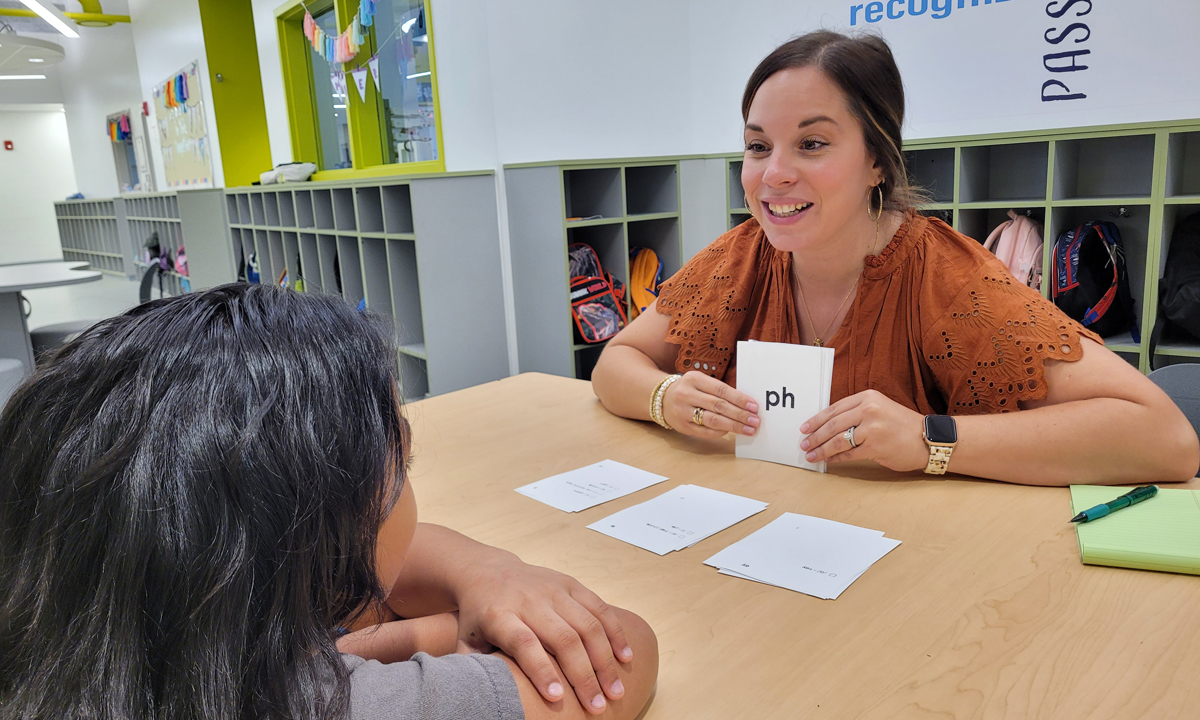
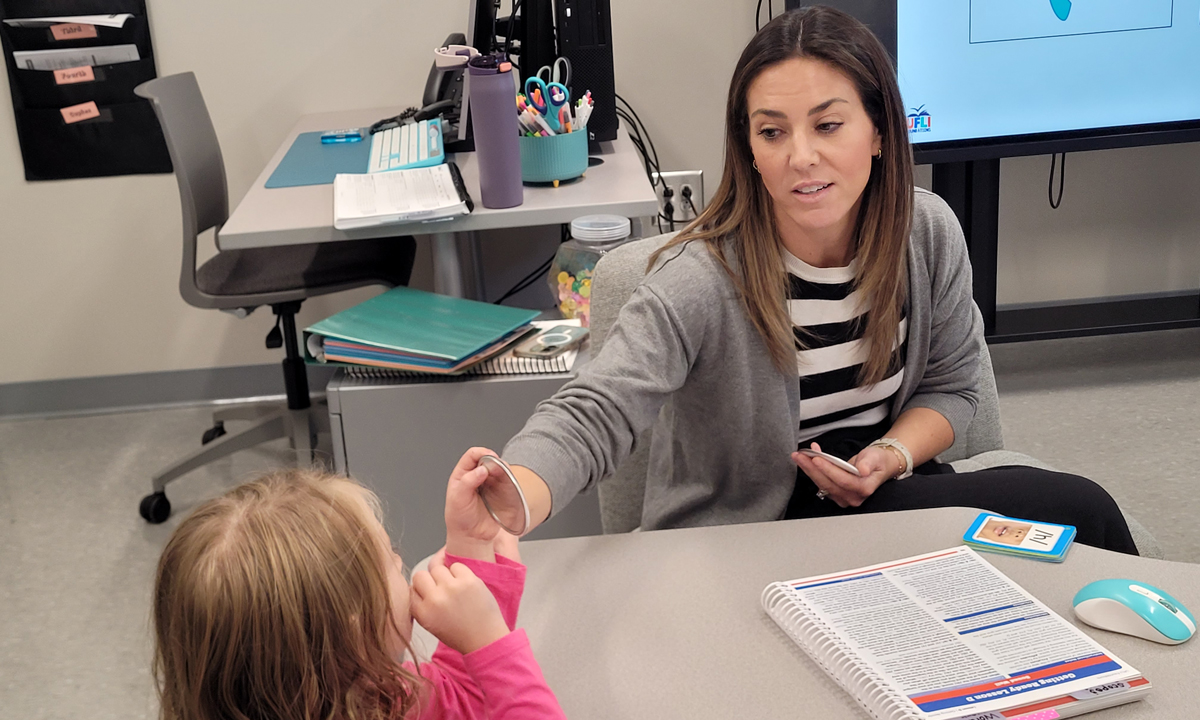
Kindergarten teacher Lindsay DeCoster, who has taught for 17 years, said the LETRS training significantly improved her teaching methods. She now focuses on foundational skills such as letters, sounds, and pronunciation. “In the past, we have been skipping over this part… like they don’t need to know how to rhyme, they don’t need to know initial sounds and things like that,” she said. “If you don’t understand how your mouth needs to look and what your mouth needs to do to make those sounds, then you’re not gonna be able to.”
Experts like Stanford University professor Thomas Dee note that while the science of reading can lead to quick improvements, the results vary depending on how quickly schools implement the changes. Dee studied low-performing schools in California and found that students improved by about a third of a year’s worth of learning over two years after changing their curriculum and adding support programs.
However, Dee also warned that classroom practices may not always align with state mandates. Teachers can revert to old habits, such as having students guess at words using context or pictures—practices that Ohio banned in its 2023 reading law.
Chad Aldis of the Fordham Institute highlighted another concerning trend: more third graders are scoring as “limited,” the lowest rating, than before. This suggests that lower-scoring students are not making progress, which is a key indicator of success in reading reforms.
Casey Taylor, literacy policy director for ExcelinEd, shared insights from Mississippi’s experience. While the state saw gains within two years, it took several more years before systemic improvements became evident. Similarly, North Carolina has seen progress on some assessments but not yet on national benchmarks like the NAEP.
Despite the challenges, Aldis stressed the importance of long-term commitment to these reforms. Ohio has a history of abandoning initiatives that don’t show quick results, but he believes the science of reading is too critical to abandon. “These reforms are just too important to follow that same path,” he said. “We need to stick with it.”
Post a Comment