
Rising Beef Prices and the Potential for Increased Imports
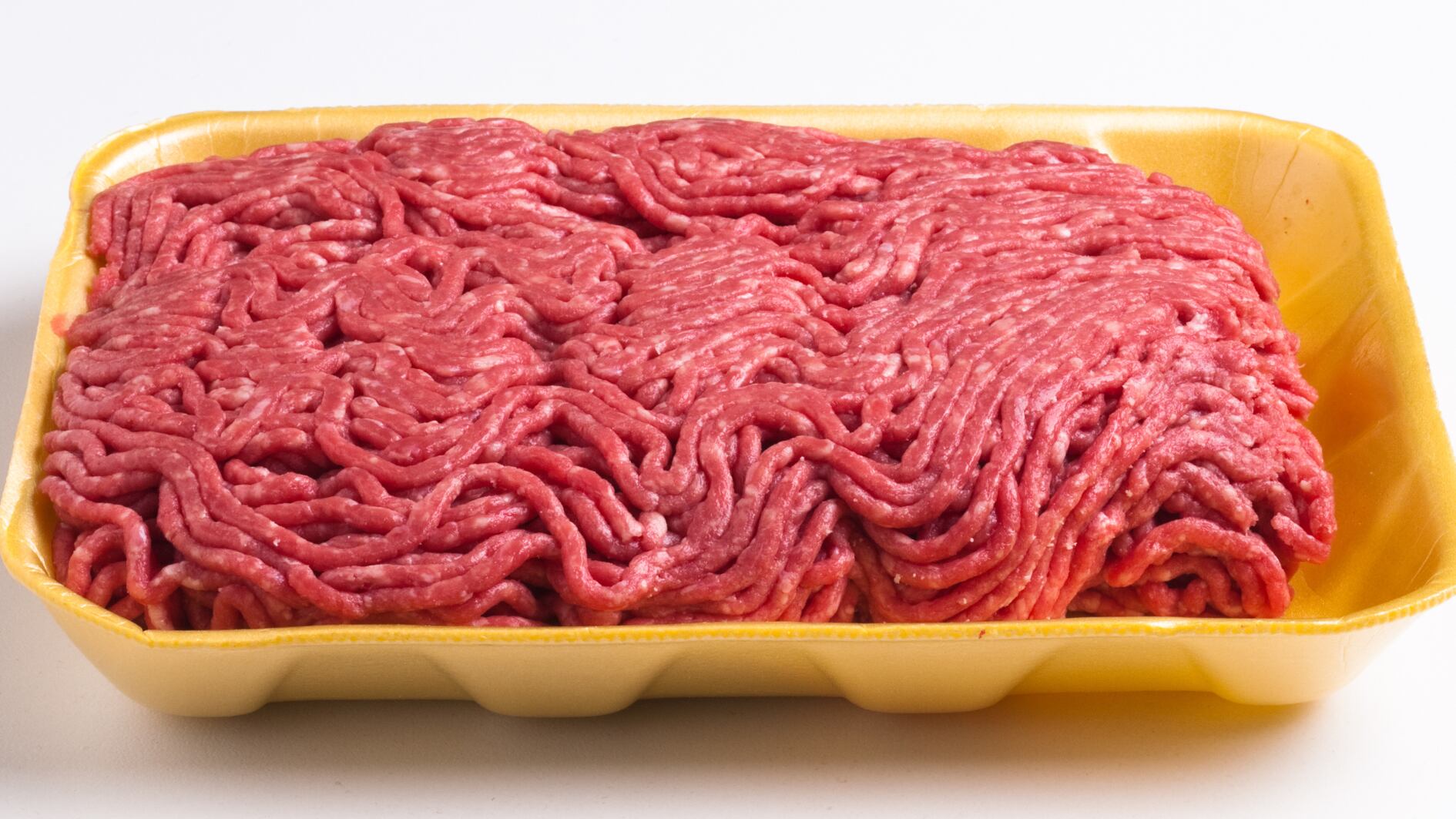
In Tyler, Texas, there is growing discussion about the future of beef in the United States. President Donald Trump has mentioned the possibility of increasing beef imports from Argentina as a strategy to lower prices for American consumers. This potential shift comes at a time when beef prices have reached historically high levels, driven by a combination of factors that are affecting both producers and consumers.
One major factor contributing to the high cost of beef is the ongoing drought across the country. Drought conditions have significantly reduced the availability of feed for cattle, leading to higher production costs. Additionally, the U.S. has seen a decrease in beef imports from Mexico due to a serious issue involving a flesh-eating parasite that has infected cattle herds on the other side of the border. These challenges have placed additional pressure on the domestic beef market.
A Historic Low in Cattle Inventory
The current state of the cattle market is particularly concerning. As of July, the U.S. had only 94 million head of cattle, marking the lowest inventory level in 75 years. This decline in numbers has created a supply shortage, which in turn has driven up prices. Farmers and ranchers are not only dealing with the economic impact of these low numbers but also with the rising costs associated with raising livestock.
These increased costs include everything from feed and veterinary care to labor and transportation. For many farmers, the situation is becoming unsustainable. The prospect of importing more beef from Argentina has already begun to affect their business decisions, as some ranchers are considering whether it’s worth continuing to raise cattle if they believe the market may shift toward foreign sources.
Concerns About Domestic Production
Despite the potential benefits of increased imports, there are growing concerns among farmers and industry leaders. The National Cattlemen’s Beef Association has expressed its support for alternative solutions that would help sustain the domestic beef industry. One such proposal involves completing a planned New World Screw Worm facility in Edinburg, Texas. This facility is designed to combat a serious pest that can devastate cattle herds, potentially reducing losses and improving overall herd health.
Ranchers are also urging the administration to invest in stronger protections for domestic herds. Diseases like Foot and Mouth Disease pose a significant threat, as they can cause painful blisters on the mouth and feet of cattle, leading to lameness and reduced milk production. Addressing these health issues is seen as essential for maintaining a strong and resilient domestic beef industry.
A Call for Sustainable Solutions
Farmers argue that by focusing on these long-term solutions, the industry can work towards rebuilding its herds and ensuring a steady supply of domestically produced beef. They believe that investing in disease prevention and infrastructure will not only stabilize the market but also create a more sustainable future for ranchers and consumers alike.
While the idea of importing beef from Argentina is still under discussion, many in the industry are hopeful that the administration will prioritize strategies that support domestic producers. By addressing the root causes of the current crisis, the U.S. can work towards a more stable and prosperous beef market for all stakeholders involved.
Post a Comment