

Cancer remains a significant global health challenge, responsible for over half a million deaths each year. However, scientific advancements continue to offer promising solutions for both reducing cancer risk and improving treatment outcomes. A 2025 study published in Cell Reports Medicine has revealed that a supplement known for its benefits to eye health could also play a crucial role in the fight against cancer.
The supplement in question is zeaxanthin, a carotenoid found naturally in various colorful foods, particularly orange peppers and egg yolks. As a carotenoid, zeaxanthin possesses antioxidant properties, which help protect the body from damage caused by oxidative stress. This makes it a valuable component in maintaining overall health and well-being.
Traditionally, zeaxanthin is prescribed to patients with age-related macular degeneration, a condition that affects vision. However, recent research suggests that this compound may have additional benefits beyond eye health. According to the 2025 study, zeaxanthin could enhance the effectiveness of CD8+ T-cells, a type of immune cell critical in immunotherapy treatments.
Turning T-cells into more effective anticancer agents

Immunotherapy relies on CD8+ T-cells to identify and destroy cancer cells. The study found that zeaxanthin significantly boosted the natural anticancer properties of these cells in laboratory and animal model experiments. This enhancement could lead to more effective treatments and improved remission rates for cancer patients.
Dr. Jing Chen, the lead researcher of the study, expressed surprise at discovering a new function for zeaxanthin. He noted that the data "show that zeaxanthin improves both natural and engineered T-cell responses, which suggests high translational potential for patients undergoing immunotherapies." Immunotherapy treatments such as CAR T-cell therapy and monoclonal antibodies are becoming increasingly common in cancer care, and zeaxanthin could serve as a complementary agent to support these therapies.
Widely available in foods and as a supplement
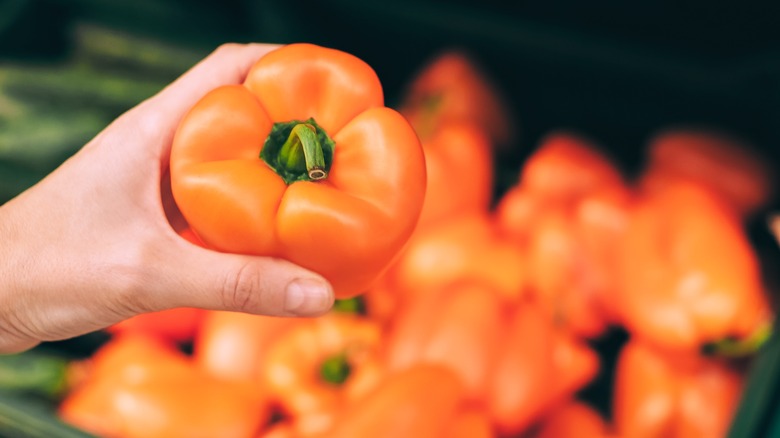
One of the most appealing aspects of zeaxanthin is its availability. It can be easily obtained through dietary sources or supplements. A 2020 review published in Nutrients highlighted several foods rich in zeaxanthin, including goji berries, corn, and spinach. Goji berries, for instance, contain an impressive 280,000 micrograms of zeaxanthin per 100 grams, making them a powerful source of this nutrient.
In addition to its abundance in food, zeaxanthin is generally well-tolerated when taken under medical supervision. For most individuals, a daily dose of 2 milligrams is considered safe. However, those taking diabetes medications should exercise caution, as zeaxanthin may cause hypoglycemia (low blood sugar). To maximize absorption, it is recommended to take zeaxanthin with a meal containing healthy fats.
Curious about health?
Add Health Digest to your preferred sources for daily insights!
Read the original article on Health Digest .
Post a Comment