
New Images Reveal Demolition of White House East Wing
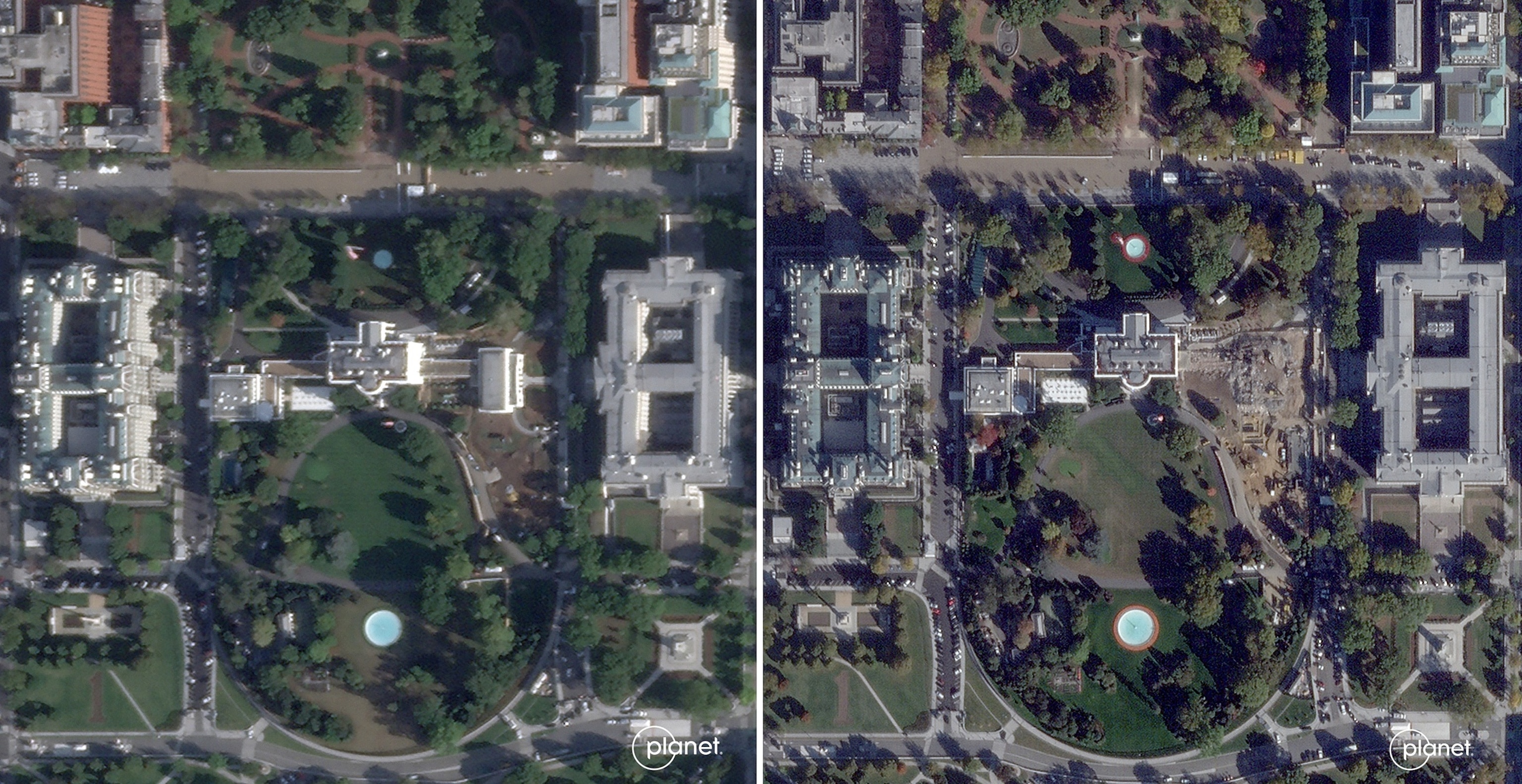
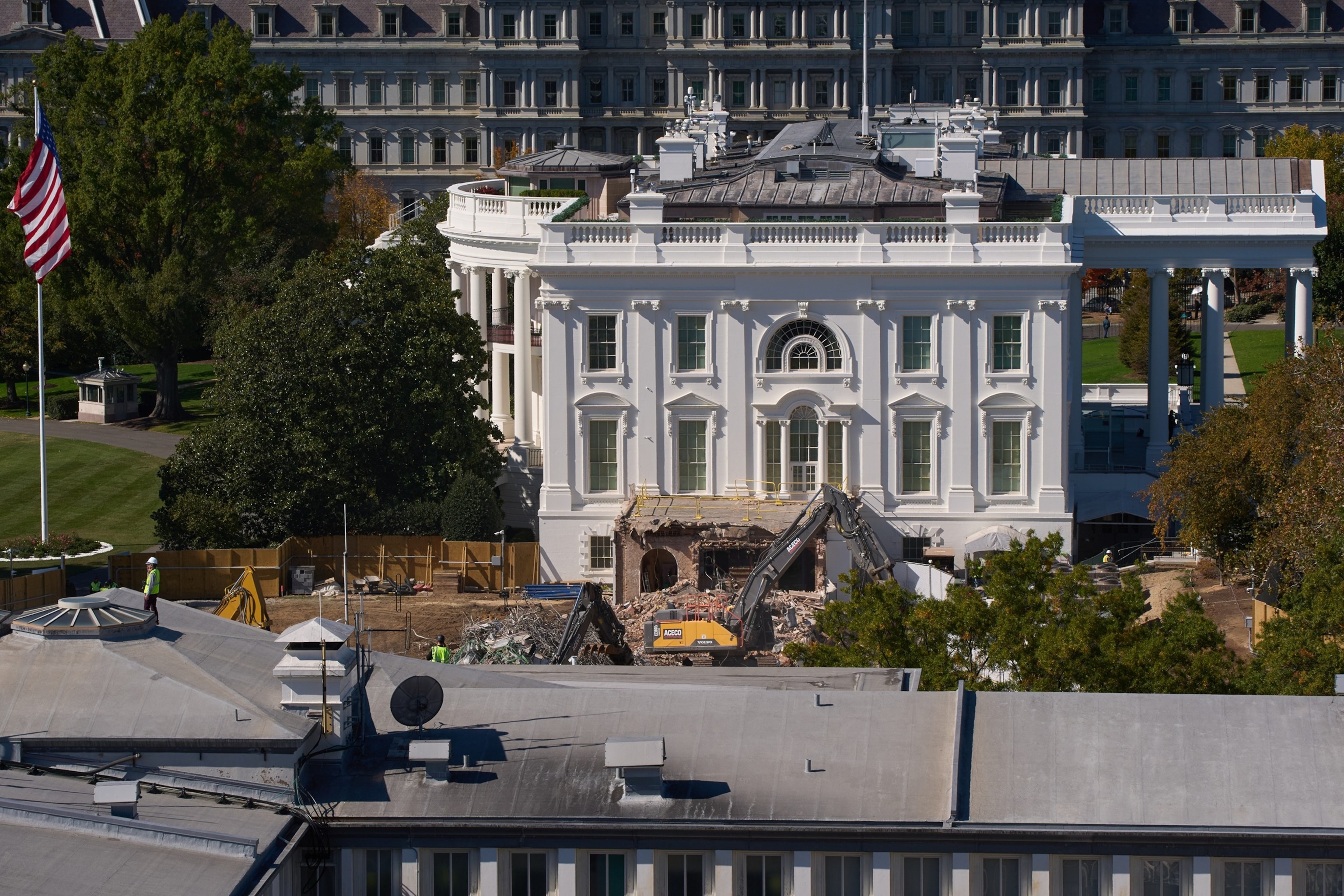
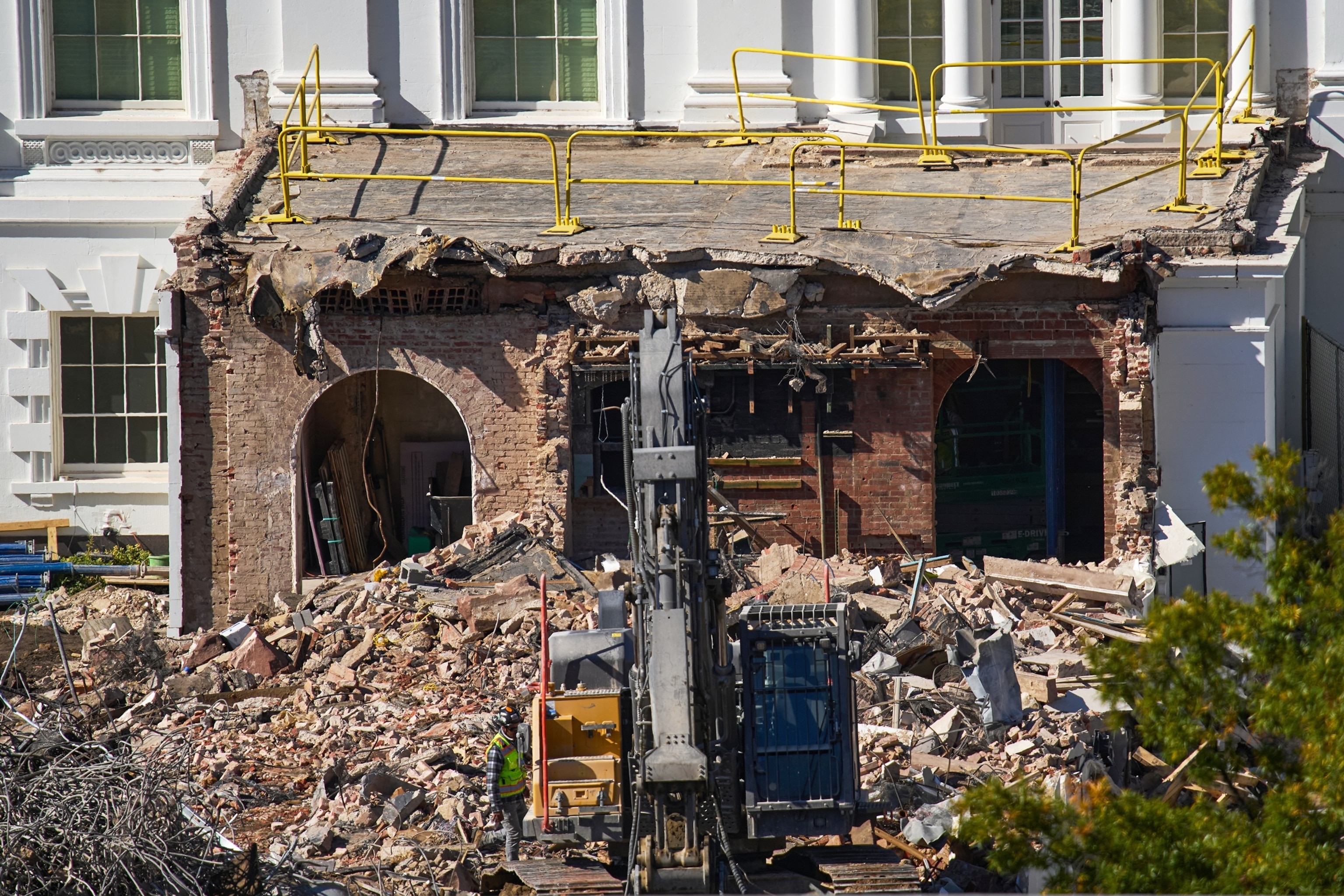
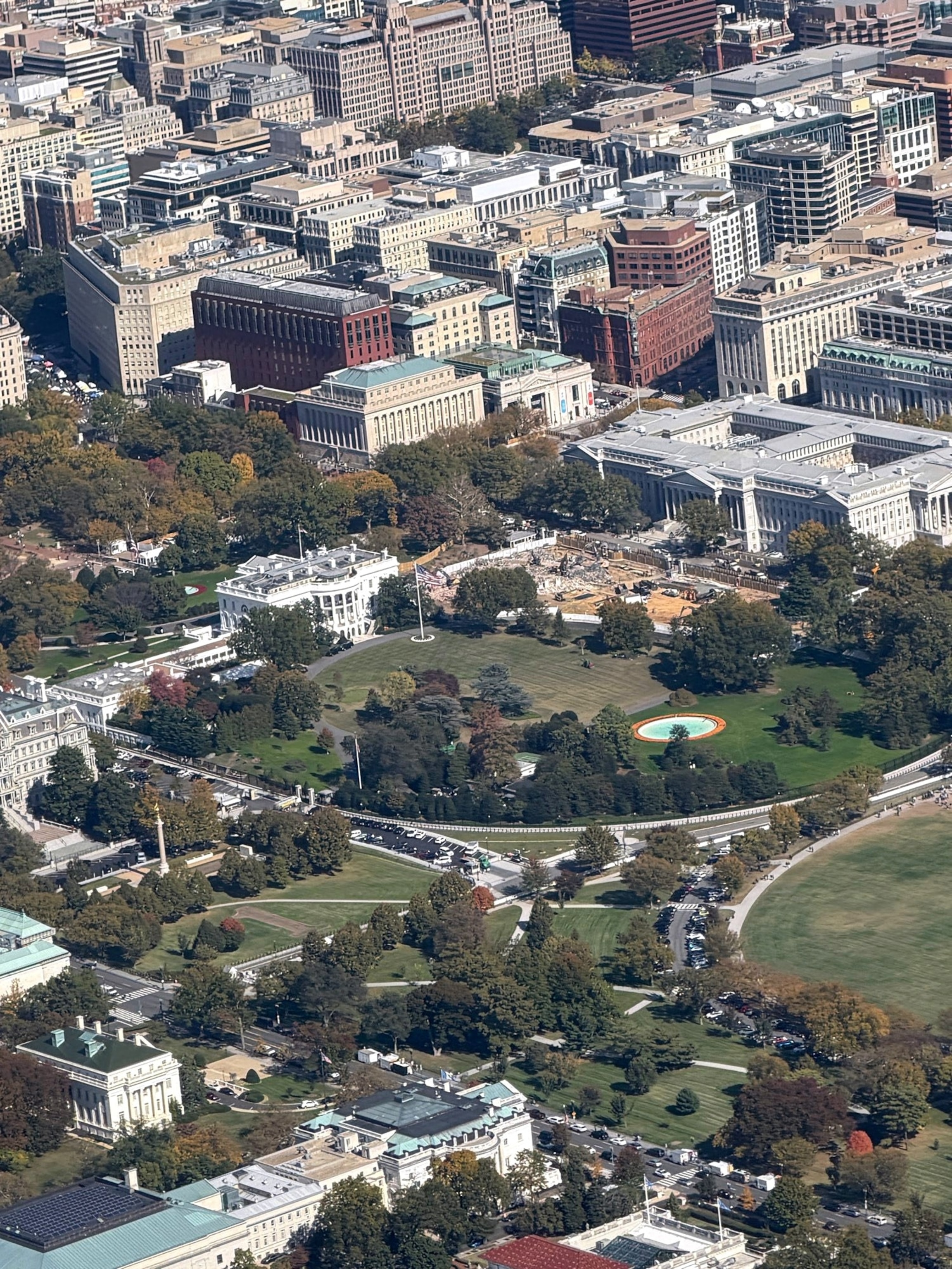
New satellite images released on Thursday appear to show the entire White House East Wing has been demolished, making way for a $300 million ballroom proposed by former President Donald Trump. The development has sparked significant public interest and questions about the project’s scope and implications.
White House press secretary Karoline Leavitt addressed the issue during a briefing, defending the demolition as part of an ongoing construction project. She emphasized that the White House is a place of constant change and that updates have been shared with the media throughout the process.
Initial Statements and Project Changes
Initially, Trump had stated in July that the project would not interfere with the existing structure of the White House. However, as crews began the demolition this week, officials clarified that the "entirety of the East Wing will be modernized" to accommodate the new ballroom, which will span 90,000 square feet.
By Thursday, Planet Labs PBC satellite images showed the East Wing reduced to rubble, raising concerns among the public and media about the extent of the changes being made to the historic building.
Public Reaction and Questions
The demolition has led to widespread backlash and numerous questions, including whether the project could have been stopped and who is funding it. ABC News Chief White House Correspondent Mary Bruce questioned Leavitt on why the public was not informed about the decision to demolish the East Wing.
Leavitt responded by stating that any construction project involves changes and that the White House has kept the public informed through renderings and updates. She also explained that the project's phase one was necessary to ensure the East Wing remains a strong and stable structure for future generations.
Non-Disclosure Agreements and Funding
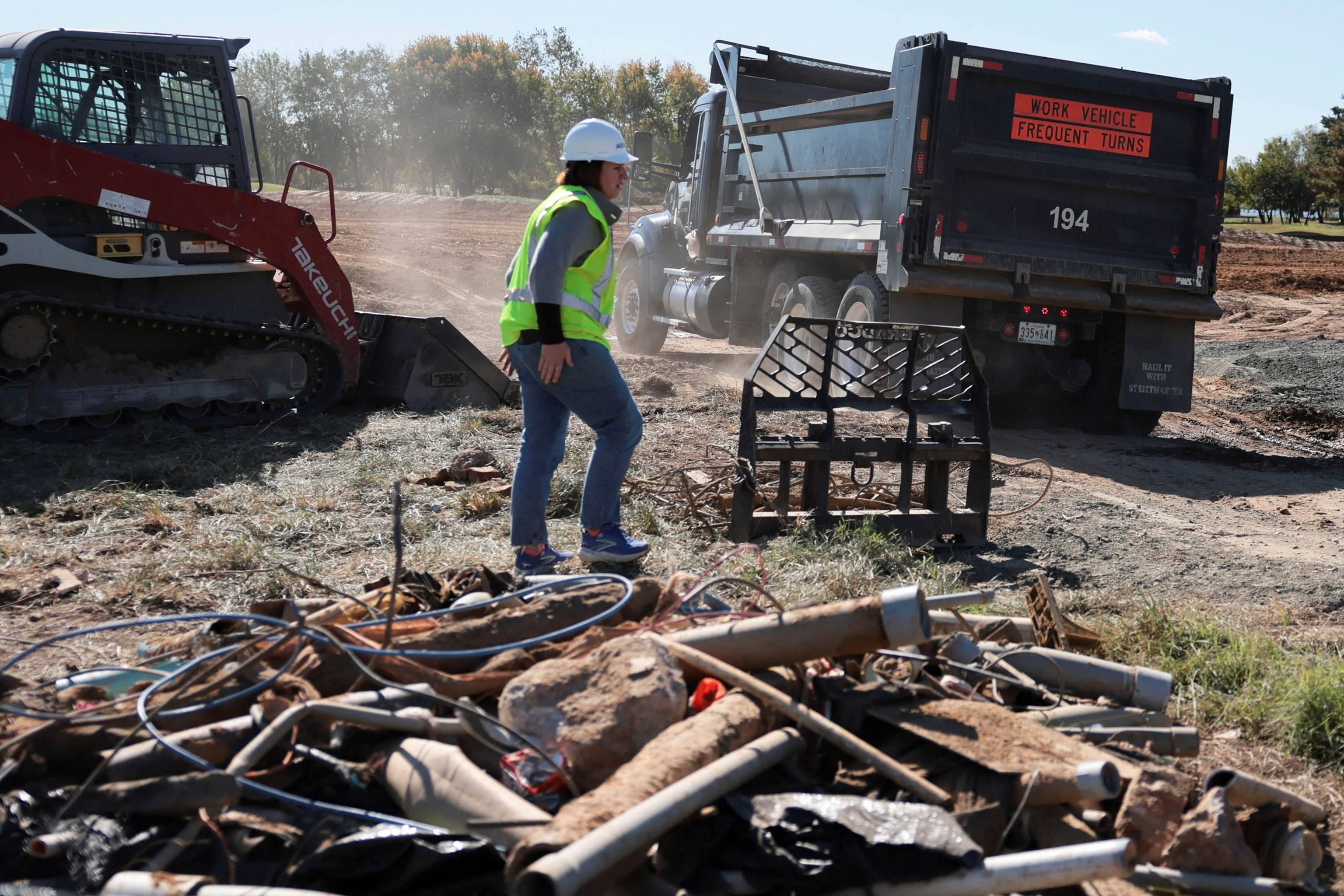
The White House is reportedly requiring some construction workers involved in the demolition to sign non-disclosure agreements (NDAs) that prevent them from discussing their work. A White House official described this practice as standard, citing the need for operational security.
Leavitt also addressed the funding of the project, stating that it would be privately funded and paid for by Trump himself and other generous donors. She mentioned that Trump would soon reveal how much of his own resources he plans to commit to the project.
Later on Thursday, Trump was asked if he had raised the full $300 million for the ballroom. He responded that they had actually raised around $350 million, stating that the funds came from donors and his own contributions. He described the ballroom as "the most beautiful ballroom anywhere in the world."
When asked about his personal contribution, Trump said he would not disclose the exact amount until the project was completed. However, he claimed he would donate "millions of dollars" and added that he often donates money to the White House, including his salary.
Naming and Approval Process
Trump declined to reveal the name of the ballroom at this stage, but Leavitt confirmed that an official name would be announced once decided. According to a White House official, the plans for the ballroom have not yet been submitted to the National Capital Planning Commission.
Leavitt argued that the White House does not need approval for vertical construction, even though the project involves significant changes. Trump himself claimed that he was told by two individuals that he could make changes quickly without needing approvals.

"I said, 'How long would it take?' They said: 'Sir, you can start tonight. You have zero zoning conditions. You have no approvals,'" Trump said at a dinner for donors earlier this month. He added, "I said, 'You gotta be kidding.' He said, 'Sir, this is the White House. You're the president of the United States. You can do anything you want.'"
ABC News' Hannah Demissie and Katherine Faulders contributed to this report.
Post a Comment