
The Discovery of a Wolf-Dog Hybrid in Greece
The Greek organization Callisto, dedicated to wildlife protection, has recently announced the detection of an animal with 45% wolf DNA and 55% domestic canine DNA. This finding was the result of comprehensive DNA testing conducted on fifty wolf samples from mainland Greece. Biologist Aimilia Ioakimeidou presented these results during a conference in Athens, emphasizing the uniqueness of this discovery.
The animal was observed near Thessaloniki, in northern Greece, where Callisto is also actively searching for a wolf that injured a child. 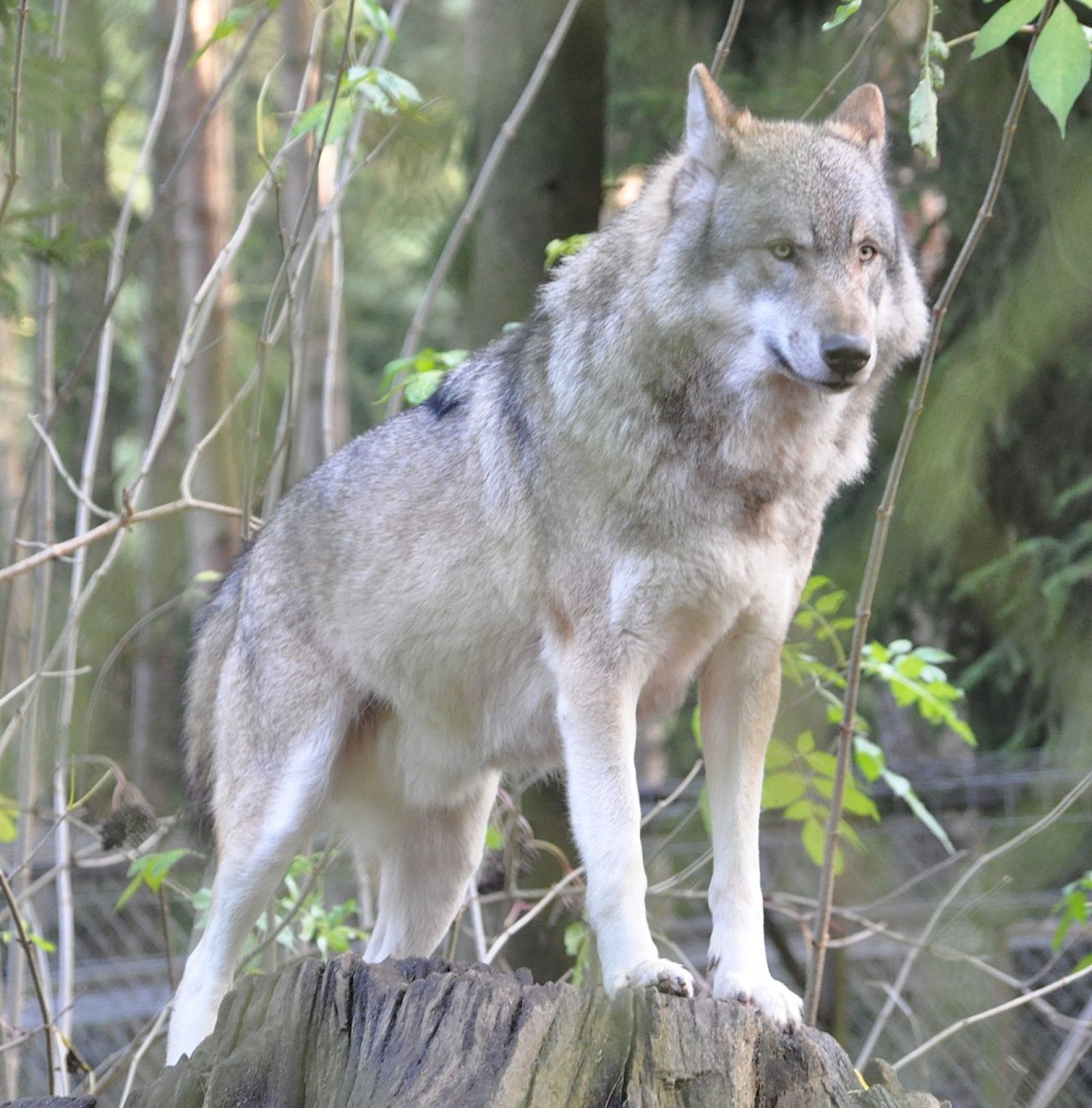
Wolf-Dog Hybrids: A Rare Phenomenon
Wolf-dog hybrids, although occasionally reported in Europe, Central Asia, and the United States, are far less common than previously believed. Early observations were often based on physical appearance, but modern genetic analysis has helped correct these assumptions. In Greece, the wolf population has seen steady growth since the hunting ban implemented in 1983 under the Bern Convention. A six-year study by Callisto estimates the current wolf population at 2,075 individuals.
Evolution of Theories on Canine Domestication
The evolving understanding of canine domestication offers additional insight into these findings. For many years, the prevailing theory suggested that wolves approached human camps to scavenge leftovers, leading to domestication. However, a new hypothesis challenges this view, proposing that hunter-gatherers captured wolf pups to raise them, resulting in the first domestic dogs around 40,000 to 15,000 years ago. These emerging perspectives reshape our understanding of early interactions between humans and canids.
Callisto's Mission and Activities
Based in Thessaloniki, Callisto’s mission includes studying and protecting large carnivores such as bears and wolves, as well as other endangered species. Their work integrates scientific research with field operations, such as the ongoing effort to locate the wolf responsible for an incident in Neos Marmaras. These initiatives play a crucial role in the management of habitats and wildlife populations.
Understanding Hybridization in Canines
Hybridization occurs when two different species interbreed, producing offspring that may be fertile or infertile. In canids, this phenomenon happens when the habitats of wolves and domestic dogs overlap, especially in peri-urban areas where encounters increase. Wolf-dog hybrids often display intermediate traits, such as the size of a wolf combined with the more docile behavior of a dog. However, accurate identification requires DNA testing, as physical characteristics can be misleading.
These animals demonstrate remarkable adaptability to human-modified environments. The fertility of hybrids varies depending on the generation of crossbreeding. First-generation hybrids are typically fertile, while subsequent generations may face reproductive challenges. This variability affects how long hybrid lineages persist in the wild and their impact on native populations.
Related Discoveries and Topics
- 🦎 Discovery of a hybrid lizard-snake reptile in Scotland!
- 🦜 Discovery of a unique hybrid bird that exists... because of climate change
- Researchers succeed in dating this Human-Neanderthal hybrid skeleton 🦴
- Our hybridization with Neanderthals called into question 🧬
Post a Comment