
A Record-Setting Marine Heat Wave
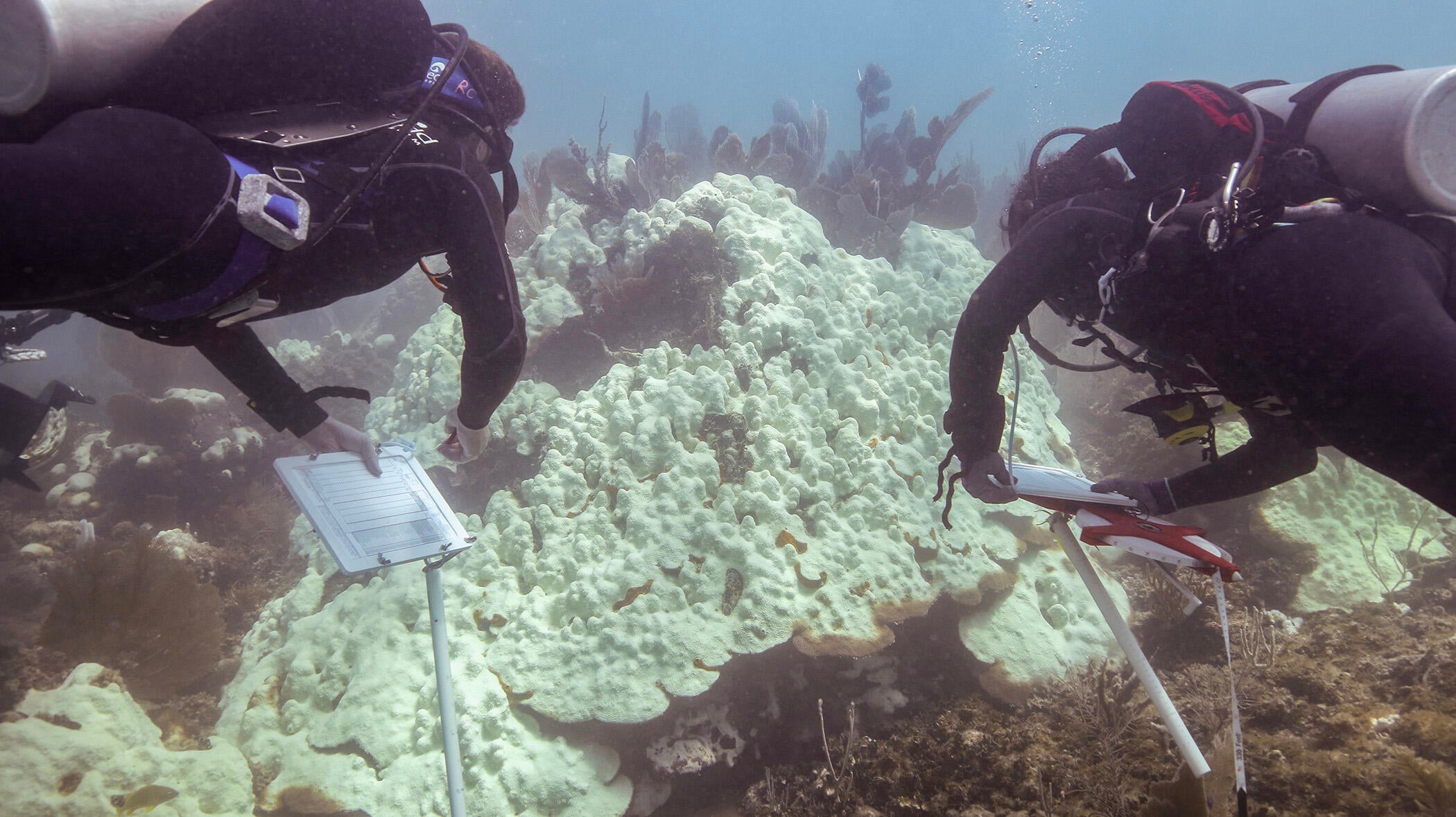
A record-setting marine heat wave in 2023 had a devastating impact on Florida's coral reef, stripping it of its vibrant colors and triggering the ninth and most severe mass bleaching event in the Caribbean. The prolonged period of high temperatures nearly wiped out two of the region's oldest and most significant coral species, according to a recent report that highlights the lethal effects of warming waters on these ecosystems.
The report, co-authored by scientists from the National Oceanic and Atmospheric Administration, the University of South Florida, and several nonprofit organizations, was published in the peer-reviewed journal Science. It presents findings from an investigation into the effects of the extreme heat wave on a 350-mile stretch of the Florida reef. Researchers noted that sea surface temperatures remained at or above 31 degrees Celsius (87.8 degrees Fahrenheit) for an average of 40.7 days during the summer.
The heat stress experienced in certain areas of the reef was four times greater than any previous heat wave or year with recorded temperature data, according to Ross Cunning, one of the report's lead authors and a biologist at the Chicago-based Shedd Aquarium. His research focuses on ways to make coral reefs more resilient against the impacts of climate change.
Devastating Impacts on Coral Species
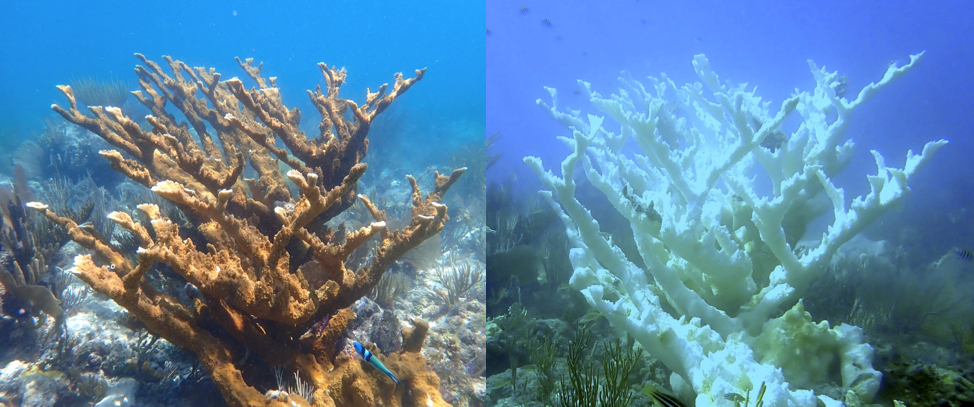
One of the most severe consequences of the heat wave was the death of two types of coral known as "reef builders" — staghorn and elkhorn corals. These species have provided the structural foundation for Caribbean reef ecosystems for thousands of years. The report states that between 97.8% and 100% of these corals perished in the heat wave, marking what researchers call "their functional extinction from the region."
"Functional extinction" means there is no longer enough of either coral species in the Caribbean to allow staghorn or elkhorn corals to continue their long-standing role in supporting the reef ecosystem. "These corals are the ecosystem engineers of reefs," Cunning told CBS News. "They literally build the three-dimensional framework that we know as the coral reef."
Cunning compared the loss of these corals to the devastation a diverse forest might face after losing its largest and most vital trees. "What you're left with is a range of smaller trees and shrubs and other plants, and they'll continue to grow and form together some type of forest," he said, "but it's a forest transformed without these major contributors."
The Unprecedented Nature of the Heat Wave
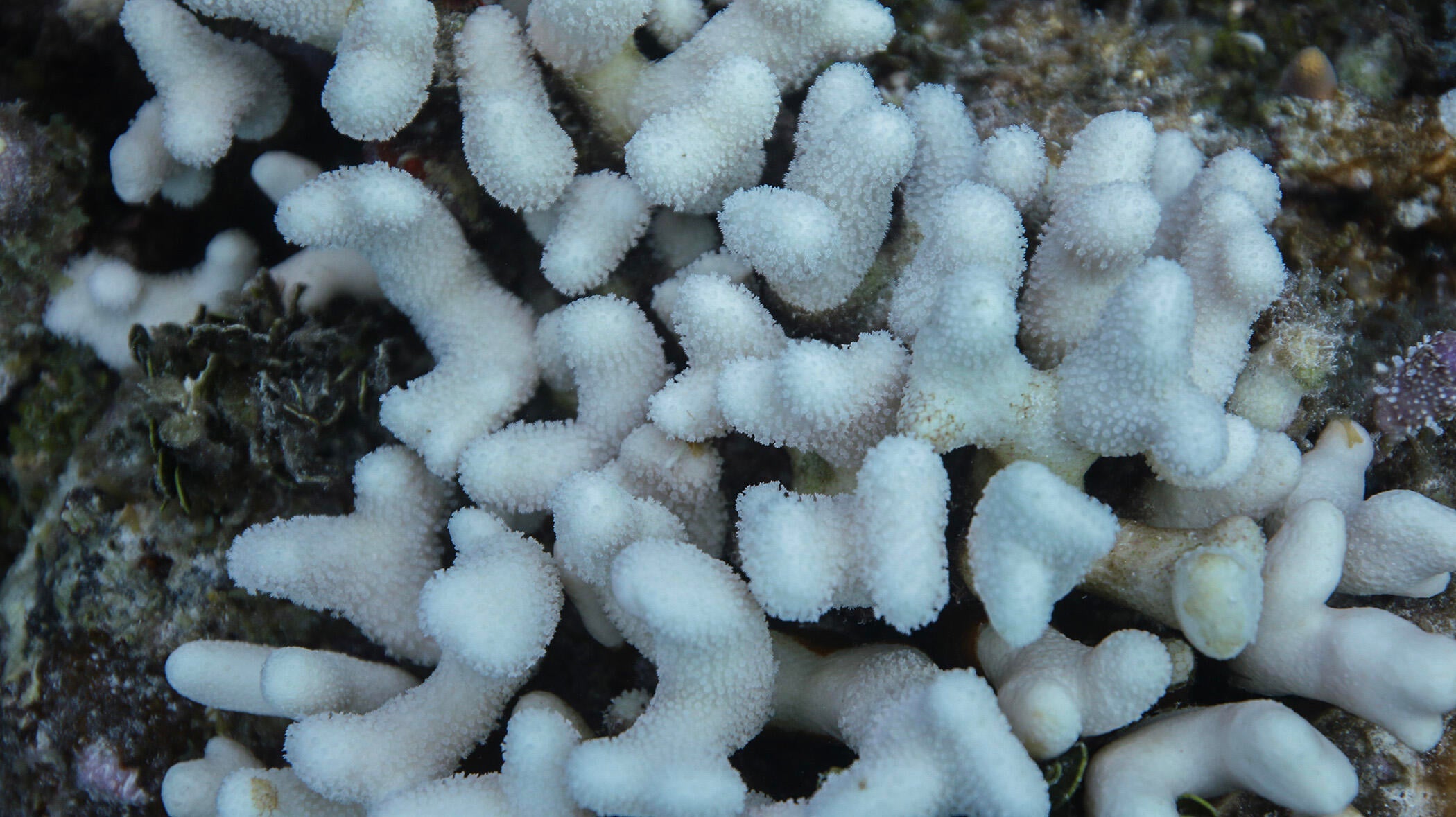
The 2023 heat wave in Florida's reef has been described as a bleaching event, where corals expel their colorful algae and appear white and brittle in response to warming oceans. Bleaching deprives corals of nutrition and makes them more susceptible to disease, ultimately leading to their death. However, the conditions during this heat wave were so extreme that they accelerated the process in some parts of the reef, according to John Parkinson, a professor at the University of South Florida and co-author of the report.
"Coral bleaching is definitely a problem, but some of these corals didn't even get a chance to bleach," Parkinson told CBS News. "They actually just started melting. Essentially, they were sloughing their tissue."
Scientists believe the damage caused by the 2023 heat wave is likely permanent. This aligns with warnings from climate scientists at the University of Exeter's Global Systems Institute in England, who recently released a report stating that coral reefs have become the first environmental system on Earth to pass a climate "tipping point." As global warming increases ocean temperatures worldwide, the survival of coral reefs is under threat.
The Broader Implications
Coral reefs support around 25% of all marine life, providing protection and habitats for countless species. They also play a crucial role in sustaining about 1 billion jobs globally. Additionally, reefs help shield coastlines and the communities along them from storm surges, flooding, and erosion.
Scientists predict that heat waves will become more intense and frequent if efforts to reduce fossil fuel use and greenhouse gas emissions are not significantly increased. In their report published in Science, the co-authors wrote, "the frequency and severity of extreme climate and weather events, including marine heat waves, are increasing, resulting in widespread degradation of the function, structure, resilience, and adaptive capacity of ecosystems."
Despite the grim outlook, there is still hope. While Parkinson called the 2023 heat wave "devastating" and "off the charts," he remains optimistic about the possibility of positive change. "Some corals survived, and the people involved in restoration are still working hard to keep corals around," he said. "We all believe that we can, but we really need help from the people who have the power to adjust our approach to these climate policies."
Post a Comment