
China's Focus on Self-Reliance in Science and Technology
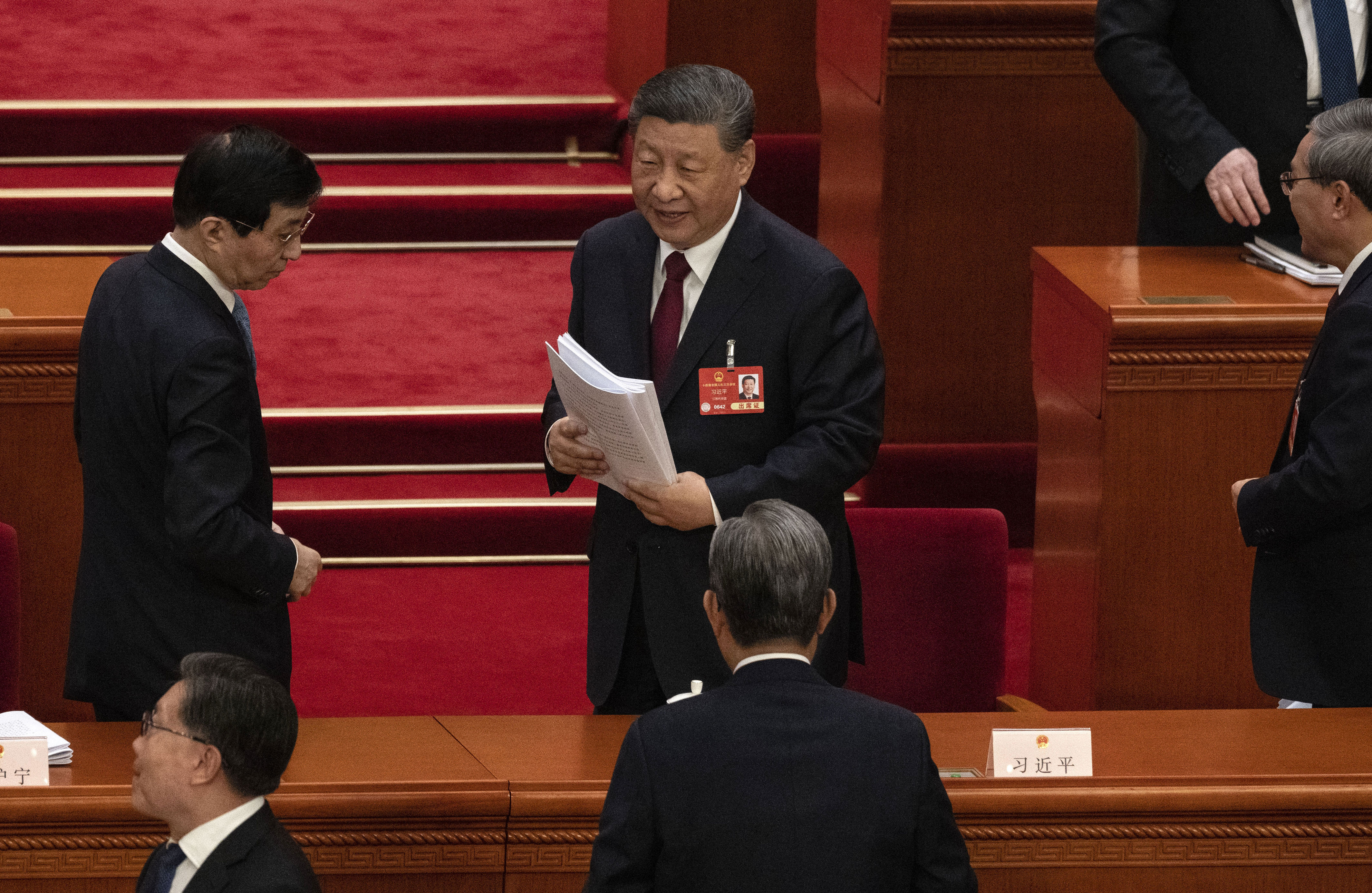
China’s ruling Communist Party has announced its intention to prioritize self-reliance in science and technology. This decision was made following a four-day meeting that approved a draft of the party’s next five-year development plan. The move reflects a strategic shift aimed at addressing the challenges posed by global economic shifts and rising uncertainties.
In an official statement released through state media, it was noted that China is facing “profound and complex” changes. The announcement emphasized the need for “rapid economic development” and “consolidating national security.” Additionally, the party pledged to increase efforts in expanding domestic demand and improving people’s livelihoods. However, no specific details were provided regarding how China plans to reduce its reliance on exports.
While the communique did not explicitly reference the trade war with former U.S. President Donald Trump, the timing of this announcement coincides with the increasing restrictions imposed by the United States on China’s access to semiconductors and other high-tech goods. These measures have raised concerns about the future of technological cooperation between the two nations.
Upcoming Diplomatic Engagements
Chinese President Xi Jinping is anticipated to meet with Trump during the Asia-Pacific Economic Cooperation (APEC) summit in South Korea. Despite the recent tensions over tariffs, Trump has expressed his goal to finalize a “fair” trade deal. Beijing holds a near-monopoly in the production of rare earths, which are essential for both global defense and semiconductor industries. Analysts suggest that China may leverage this position during upcoming trade negotiations.
Last week, tensions between China and the United States escalated when Beijing introduced new restrictions on its rare earths exports. In response, Trump threatened to raise tariffs on Chinese goods to 100 percent. However, on Monday, Trump appeared to downplay the recent conflicts, stating that the two countries need to thrive together. He also announced his intention to visit China early next year after receiving an invitation from Beijing.
Challenges in Breaking China’s Dominance
Breaking China’s dominance in rare earth supplies is expected to take at least a decade, if not longer, according to analysts and industry experts. The push for self-sufficiency faces several challenges, including high capital costs, gaps in technical expertise, and environmental risks. These factors complicate the path toward achieving true independence in critical resources.
Strategic Implications
The focus on self-reliance underscores China’s broader strategy to reduce its dependence on foreign technologies and materials. This approach is likely to influence not only its domestic policies but also its international relations. As the global landscape continues to evolve, China’s ability to navigate these challenges will be crucial in determining its future economic and technological trajectory.
In conclusion, the emphasis on self-reliance in science and technology marks a significant shift in China’s development strategy. While the road ahead is fraught with challenges, the country’s commitment to this goal highlights its determination to secure a stable and prosperous future.
Post a Comment