
New Analysis Finds No Systemic Racial Bias in Cleveland Police Searches
A recent independent analysis, commissioned by the city of Cleveland, has revealed no evidence of systemic racial bias in police searches, according to preliminary findings released on Thursday. The report, conducted by Harvard economist Dr. Roland G. Fryer and his firm Sigma Squared, comes a year after an internal review by the city highlighted significant racial disparities in traffic stops, searches, and arrests.
In 2022, Cleveland police carried out 16,463 traffic stops. Of these, 51% involved Black males, compared to 7% for white males and 9% for Hispanic males. These statistics sparked concerns among community members and city leaders. However, Fryer's latest data presents a different narrative.
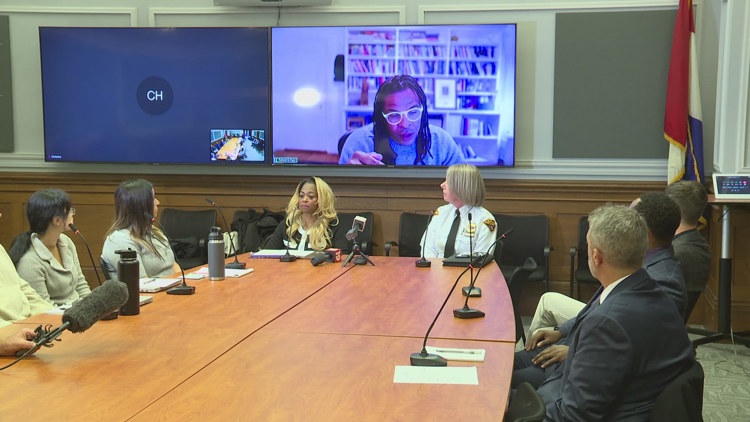
"We not only tried to understand disparities in traffic stops, which lots of folks in Cleveland have reported on," Fryer stated during a meeting to discuss the findings. "And for the 2024 date, I can tell you that we didn't find anything. We found no evidence of bias."
Although the full report is yet to be released, 3News has contacted city officials for more information on the timeline. Fryer mentioned that he has thoroughly reviewed the data since collaborating with the city on this analysis.
The Cleveland Division of Police has been under a federal consent decree since 2015, following a U.S. Department of Justice investigation that uncovered a pattern of excessive force and civil rights violations. Police Chief Dorothy Todd emphasized that the department remains focused on reducing violent crime.
"It's not about race, gender when we see those crimes," Todd stressed. "We're sending our men and women out there telling them, 'The crimes are occurring, This is where you need to go, this is the enforcement that you need to make sure you're taking care of.'"
Fryer highlighted his dedication to helping communities heal through data-driven accountability.
"I'm here to try to understand and help law enforcement differentiate between disparities and bias in an effort to actually help communities heal," he said. "I grew up in these communities and I grew up worried, frankly, about police interactions, and so if I can use statistics to help with that, I think that's something worthy of doing."
Key Findings and Implications
- Traffic Stop Disparities: In 2022, 51% of traffic stops involved Black males, raising concerns about potential racial bias.
- New Analysis: Preliminary findings from Fryer’s study indicate no evidence of systemic racial bias in police searches.
- Community Concerns: Previous data prompted discussions about racial disparities in law enforcement practices.
- Federal Oversight: The Cleveland Division of Police has been under a federal consent decree since 2015 due to past issues.
Ongoing Investigations and Future Reports
While Fryer's findings are promising, the full report is still pending. City officials have been contacted for further details on its release. Additionally, federal monitors are expected to publish their own report on the Cleveland Division of Police's progress later this year. Many are eagerly awaiting these results to compare them with Fryer’s findings.
Community Response and Next Steps
Fryer’s work aims to bridge the gap between law enforcement and the communities they serve. His commitment to using data for accountability reflects a broader effort to address concerns about police interactions.
Chief Todd’s focus on crime reduction underscores the complex challenges faced by the department. As the city moves forward, the results of these analyses will play a crucial role in shaping future policies and community relations.
With ongoing investigations and reports, the path to reform and trust-building remains a priority for Cleveland and its residents.
Post a Comment