
The Hidden Treasures in Mining Waste
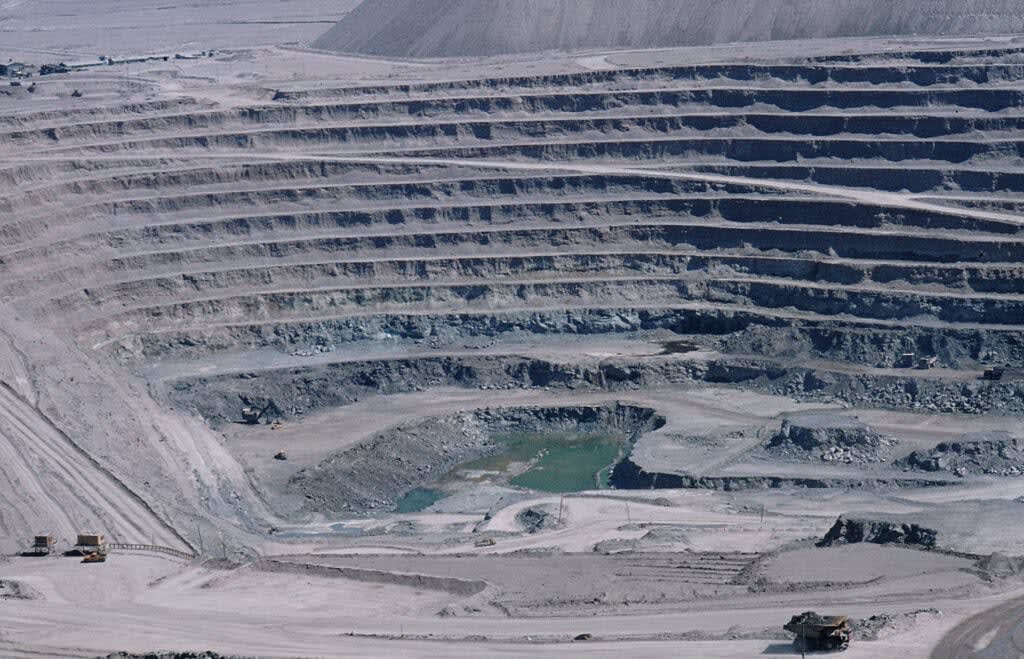
Most U.S. metal mines are designed to extract a limited number of resources: copper, iron, or occasionally gold. However, the reality is that the majority of what is mined isn’t these primary commodities. Instead, it’s a mix of other elements that could be crucial for the future of clean energy and technology.
Elizabeth Holley, a mining engineer at the Colorado School of Mines, explains that the question is not just about what we mine but what else is present in the rocks. Her recent study reveals that there's a lot more to uncover.
Lithium, Manganese, and More
One of the most significant findings is the presence of lithium, an essential element for electric vehicles, smartphones, and various portable devices. According to the study, a year's worth of U.S. mine waste contains enough lithium to power 10 million electric cars. Additionally, the same waste holds enough manganese to support 99 million EVs, along with sufficient cobalt, germanium, and other rare metals to significantly reduce U.S. imports.
The Waste Pile Goldmine
Holley and her team analyzed data from 54 active U.S. metal mines, cross-referencing ore chemistry with production data to create a comprehensive map of what is being extracted. Their findings indicate that the U.S. already mines almost all the critical minerals it needs—such as cobalt, lithium, gallium, rare earths, and germanium—but discards them as waste.
The numbers are staggering. Holley emphasizes that recovering even a small percentage of these byproducts could substantially reduce reliance on imports. With a 90% recovery rate, the U.S. could potentially eliminate imports of nearly all critical minerals.
Why It Matters
Critical minerals are not only vital for electric vehicles and wind turbines but also for satellites, fighter jets, solar panels, and medical devices. Currently, the U.S. depends heavily on global supply chains, sourcing lithium from Chile and Australia, cobalt from the Democratic Republic of Congo, and rare earths predominantly from China. This dependence creates significant geopolitical tensions.
Recent actions by China, such as expanding export controls on rare earths, highlight the urgency of this issue. President Donald Trump invoked wartime powers to accelerate mineral extraction, and the Pentagon allocated $400 million to the country’s only rare-earth mine. However, funding for federal science programs that could aid in recycling existing materials has been cut.
From Tailings to Tech
Recovering critical minerals from mining waste is complex and challenging. Elements like gallium and tellurium are present in trace amounts within common ores, requiring new refining processes and additional infrastructure. This can be costly and risky for mining companies, which operate on tight margins and are hesitant to take financial risks without proper incentives.
Despite these challenges, the potential benefits are substantial. For instance, Alaska’s Red Dog mine has significant germanium potential, while nickel-rich byproducts in Montana could be recovered. Even small recovery percentages would surpass current import levels.
Environmental Benefits
There are also environmental advantages to recovering byproducts. Mine tailings are toxic and require constant monitoring. By extracting valuable metals, the remaining waste becomes less hazardous and potentially reusable in construction. Holley and her colleagues argue that this approach is resource-efficient, reducing waste and geopolitical risk while leveraging the energy already invested in mining.
The Road Ahead
Holley refers to this as "low-hanging fruit," but realizing its potential requires political will. Incentives for mines to invest in new processing equipment and government support for systematic sampling are essential. Policies that encourage mine operators to incorporate additional processing infrastructure are also necessary.
The Department of Energy has initiated pilot programs for byproduct recovery, and a billion dollars in unconventional mining support was announced recently. However, funding remains fragmented, and regulatory clarity is still lacking.
Conclusion
Holley argues that the U.S. does not have a geology problem but a mining problem. The minerals are already present; the challenge lies in extracting them efficiently. As the study published in the journal Science concludes, unlocking by-products from already mined rock will require significant advancements. Even a 1% recovery rate could substantially reduce net import reliance for most critical minerals.
Post a Comment