
Fear of Spiders Won't Actually Kill You
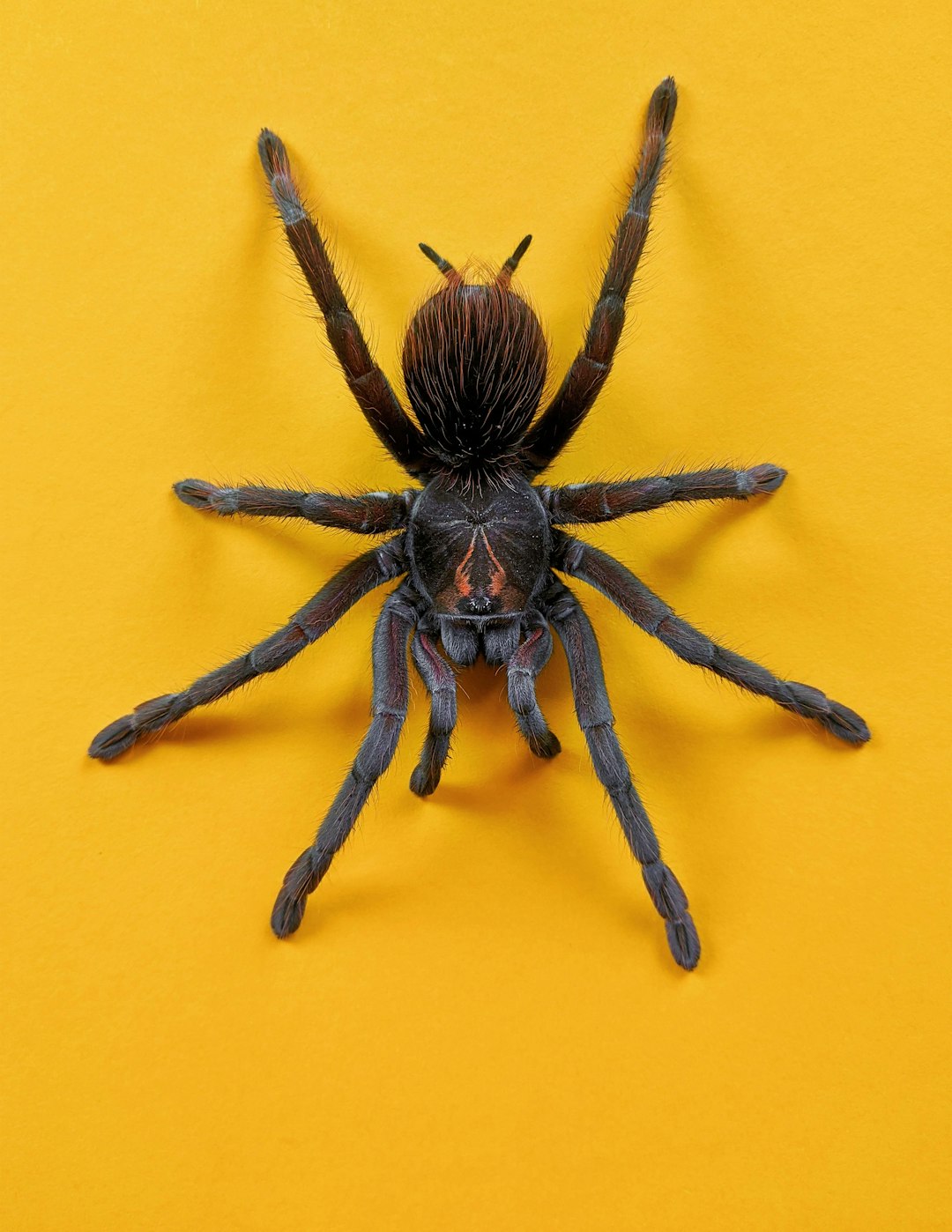
Picture this: you see a tiny spider in the corner of your room and suddenly you're standing on a chair screaming. Arachnophobia affects roughly three to six percent of the population, even though spiders are mostly tiny and harmless.
Here's the kicker though - only half a percent of all spider species are actually dangerous to humans. That means out of the more than forty-six thousand spider species on Earth, you'd need to encounter one very specific type to be in any real danger.
Even people with severe arachnophobia often know logically that only a small fraction of spider species pose any threat. We've been conditioned through movies, stories, and even biology classes to associate all spiders with danger, when the reality is that most are actually beneficial.
The irony? There are risks worth worrying about in life, but spiders really shouldn't be one of them.
Flying Is Safer Than Your Morning Commute
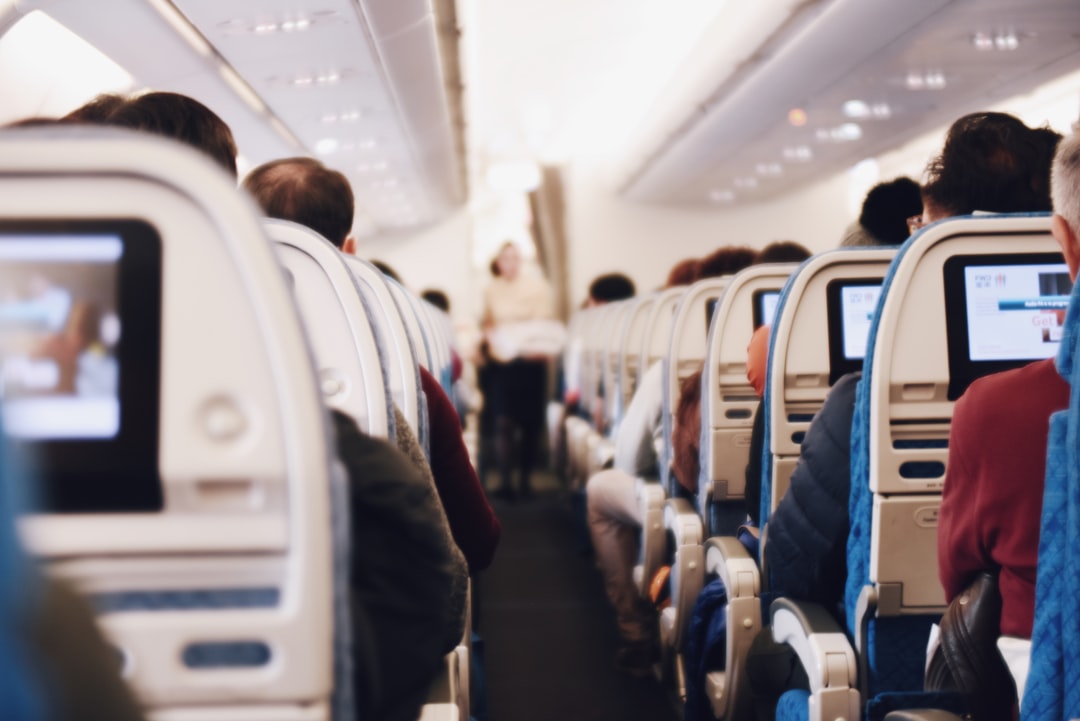
Fear of flying affects as much as forty percent of Americans, making it one of the most widespread anxieties in the country. Yet here's what's fascinating: flying is statistically the safest way to travel.
Air travel has the lowest death rates among all forms of transportation, but that doesn't stop millions from gripping their armrests in terror. The real issue isn't fear of crashing - it's the complete lack of control people feel when those airplane doors close.
Some people fear the confinement of the cabin itself, while others worry about having a panic attack while trapped on the plane. Surprisingly, only a small number of people with flying phobias are actually terrified the plane will crash.
Snakes Mostly Want Nothing to Do With You
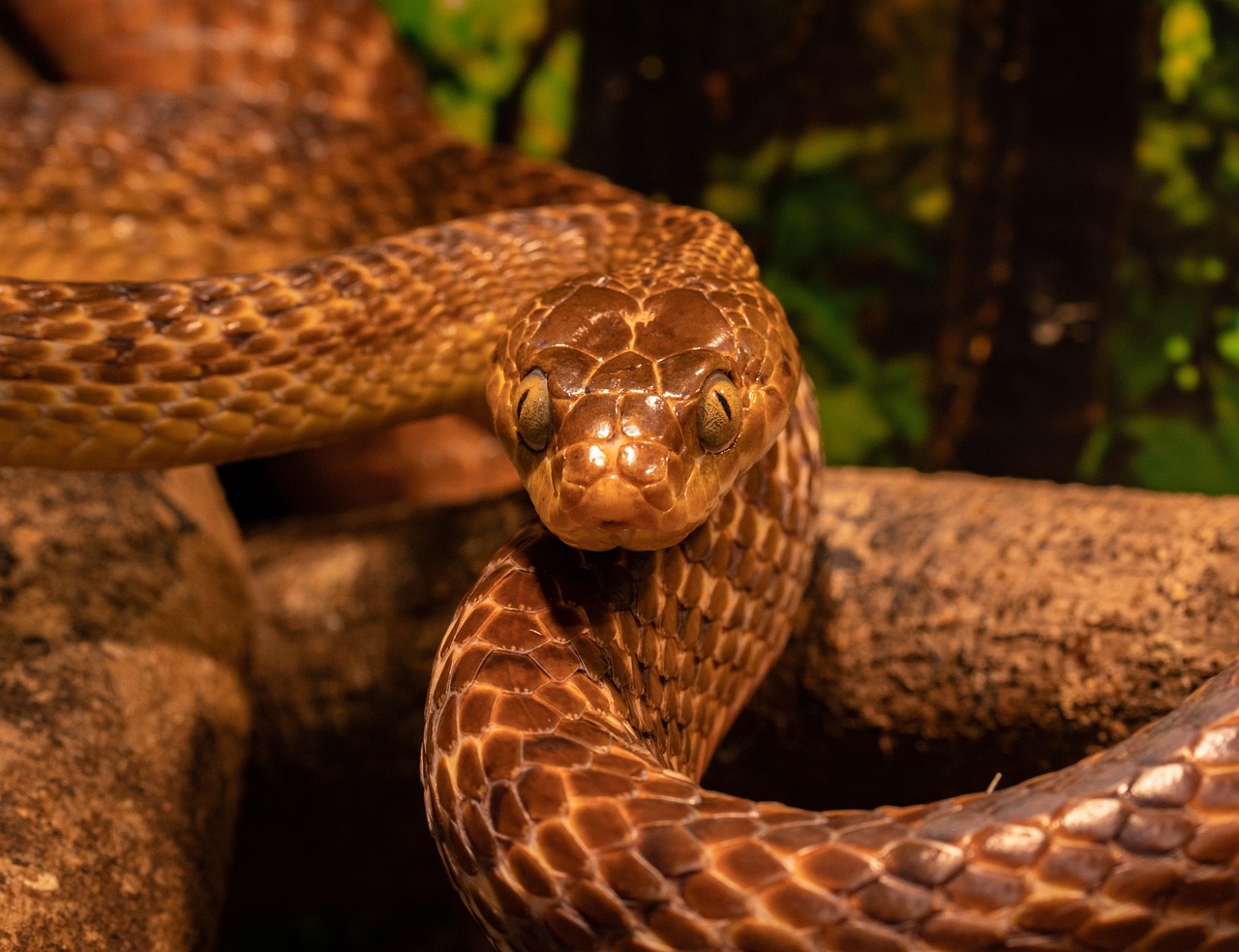
Ophidiophobia, or fear of snakes, ranks among the most ancient and widespread human fears. Researchers have found that fear of snakes can develop with just one negative encounter, unlike other phobias that typically require repeated exposure.
But here's the reality check: most snakes are completely harmless to humans and actually prefer to avoid us entirely. The majority of snake species are non-venomous and play crucial roles in controlling pest populations.
Even venomous snakes rarely attack unless they feel cornered or threatened. In some cultures, like Papua New Guinea, snakes are even part of traditional diets, suggesting this fear might be more cultural than biological.
Your chances of being struck by lightning are actually higher than being bitten by a venomous snake in most parts of the world.
Clowns Are Just People in Makeup
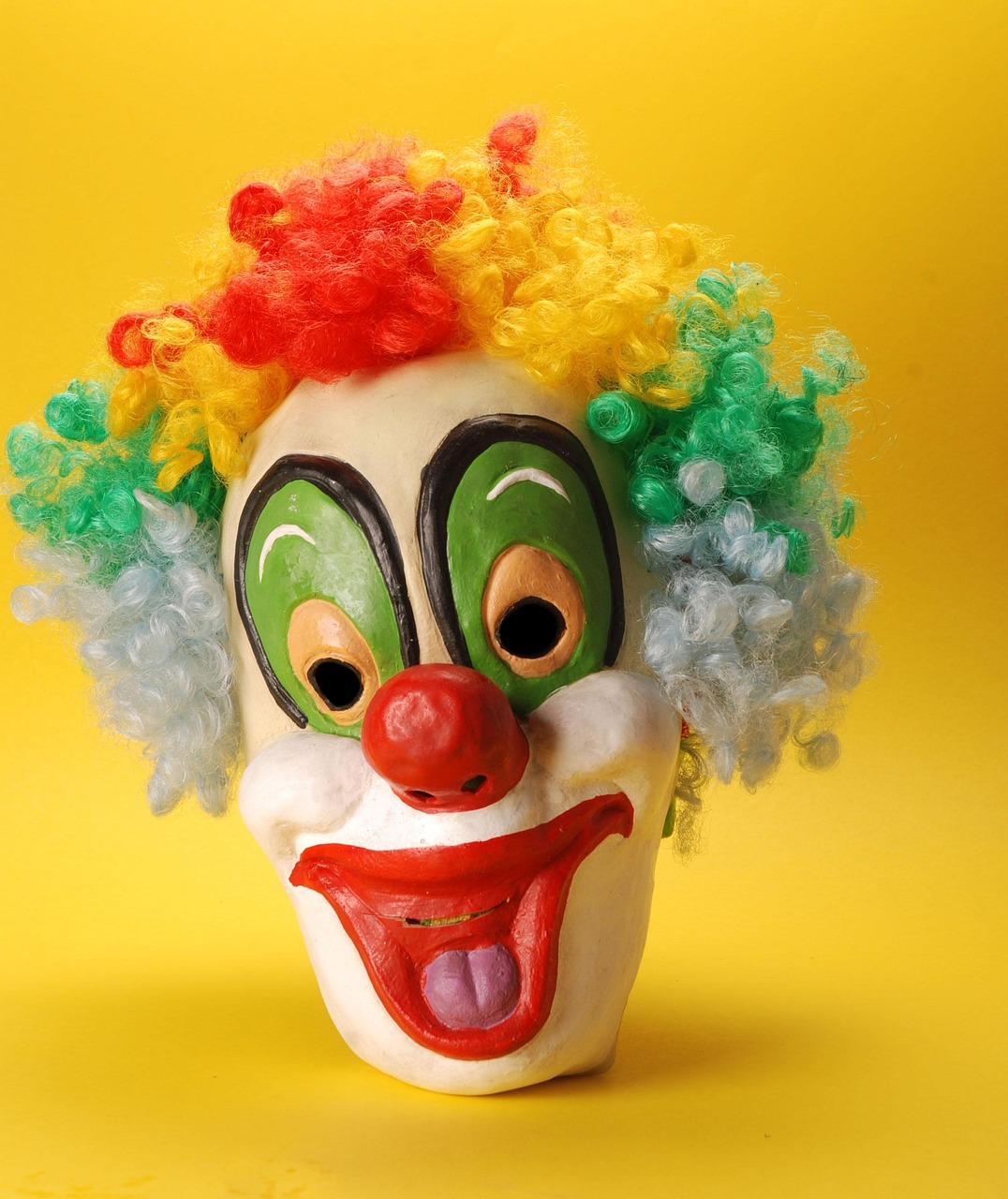
Coulrophobia, the fear of clowns, might seem silly until you're face-to-face with someone in full makeup and a red nose. This phobia often develops in childhood when the exaggerated features and unpredictable behavior of clowns can seem genuinely threatening to young minds.
But strip away the costume and face paint, and you've got regular people who often chose their profession specifically to bring joy to others. "Modern horror movies haven't helped, creating scary clown characters that have nothing to do with actual party entertainers.
Most professional clowns undergo extensive training in child psychology and safety protocols.
Heights Won't Hurt You Unless You Fall
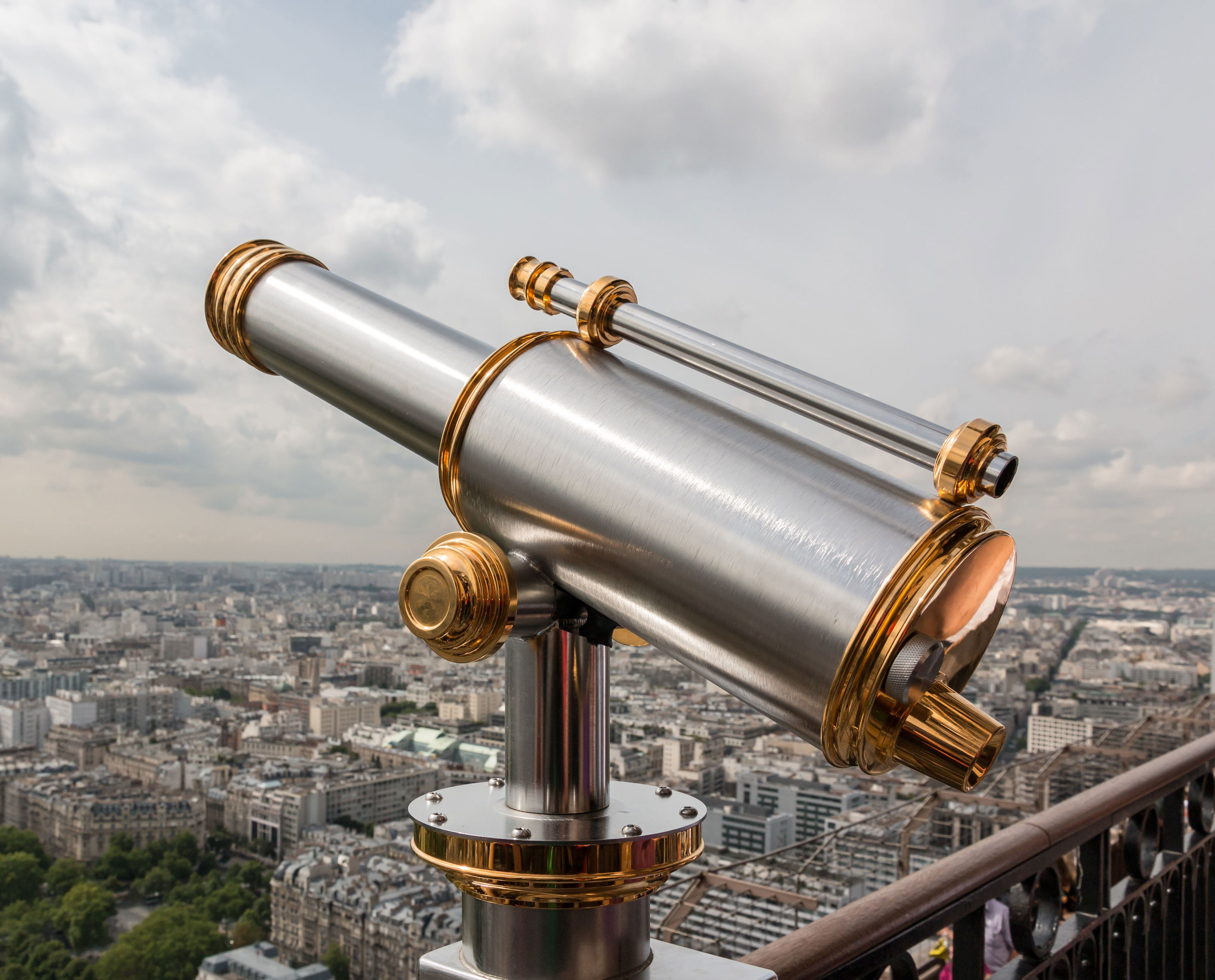
Acrophobia affects millions of people who break into cold sweats just looking out a high window. Studies show that fears and phobias concerning heights are among the most common worldwide.
Yet being up high doesn't actually pose any danger - it's only falling that's the problem, and modern safety measures make that incredibly unlikely. Skyscrapers, bridges, and observation decks are engineered with multiple safety redundancies.
The glass barriers and railings you see are tested to withstand forces many times stronger than any human could generate. Your brain is essentially panicking about a scenario that engineers have already solved.
The fear often comes from an evolutionary holdover when our ancestors actually did need to worry about falling from trees or cliffs.
Needles Cause Less Pain Than You Think
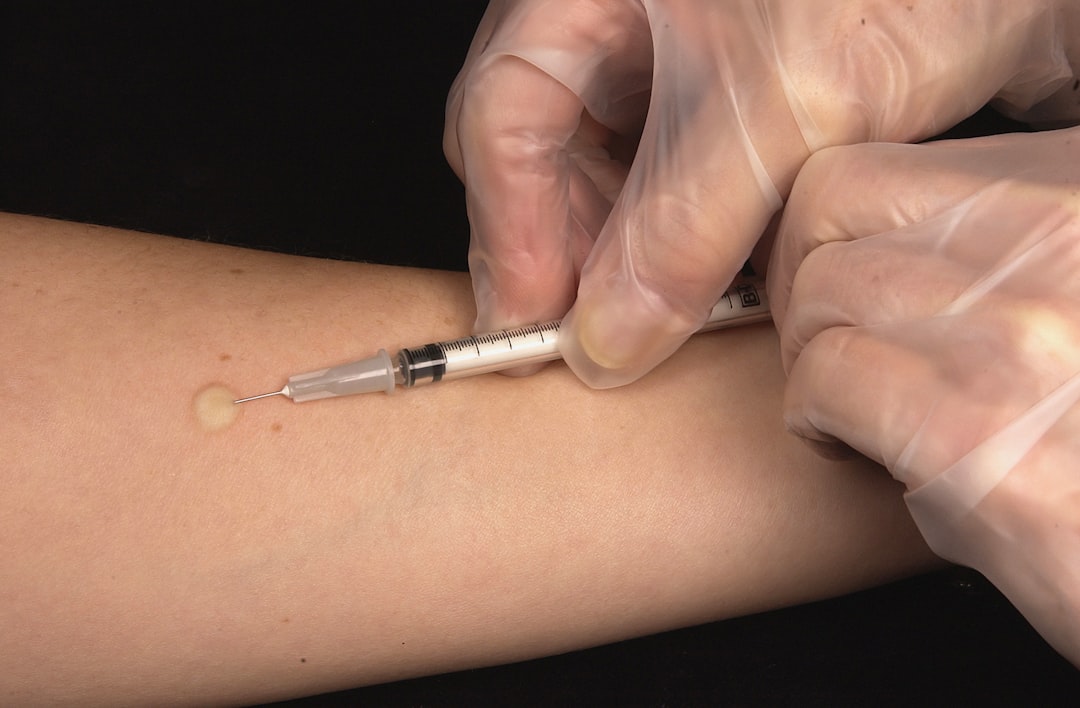
Trypanophobia, the fear of needles, affects roughly one in ten people and can make routine medical care a nightmare. The irony is that modern medical needles are designed to minimize pain and discomfort.
Symptoms of needle phobia typically begin in childhood, with an average age of onset around seven years old. Today's needles are incredibly thin - often thinner than a human hair - and most injections cause less discomfort than a mosquito bite.
The anticipation and anxiety usually create far more suffering than the actual procedure. Many people build up the experience in their minds to be much worse than reality.
Modern techniques like numbing creams and distraction methods can make injections virtually painless.
Dogs Are Overwhelmingly Friendly

Cynophobia, or fear of dogs, can turn a walk through the neighborhood into an anxiety-inducing obstacle course. This fear often develops after a single negative experience, even though research shows both genetic and environmental factors play a role, and having family members with anxiety disorders increases your risk.
The vast majority of dogs are friendly, well-socialized pets whose biggest threat is probably covering you in slobber. Dog attacks make headlines precisely because they're unusual events.
Most dogs are far more interested in getting belly rubs than causing harm. Professional dog trainers emphasize that aggressive behavior in dogs is typically the result of poor training, neglect, or abuse - not inherent viciousness.
A wagging tail and playful bark are usually signs you're about to make a new four-legged friend.
Elevators Rarely Actually Get Stuck

Being trapped in a small moving box suspended by cables might seem terrifying, but elevator phobia is largely based on outdated fears. Modern elevators have multiple independent safety systems and backup protocols.
The chances of an elevator actually falling are virtually zero thanks to multiple steel cables, emergency brakes, and buffer systems at the bottom of shafts. When elevators do malfunction, they're designed to stop safely rather than fall.
Most "elevator emergencies" are minor inconveniences like brief power outages or door sensor issues. Professional maintenance teams inspect elevators regularly, and safety regulations are incredibly strict.
You're statistically safer in an elevator than on an escalator or even walking up stairs.
Public Speaking Won't Actually Harm You
Glossophobia affects roughly three-quarters of the population to some degree, making it more common than fear of death itself. People describe physical symptoms like racing hearts, sweating, and nausea when faced with speaking to a group.
Recent surveys show that forty percent of Americans report their anxiety has worsened over the past year, which likely includes public speaking fears. The reality is that most audiences are rooting for speakers to succeed, not fail.
People generally aren't paying as much attention to your mistakes as you think they are - they're often distracted by their own thoughts or checking their phones. Even experienced speakers feel nervous, but they've learned that the anticipation is usually worse than the actual event.
The worst realistic outcome is usually just some mild embarrassment, not the social catastrophe our brains imagine.
Germs Aren't Always Your Enemy
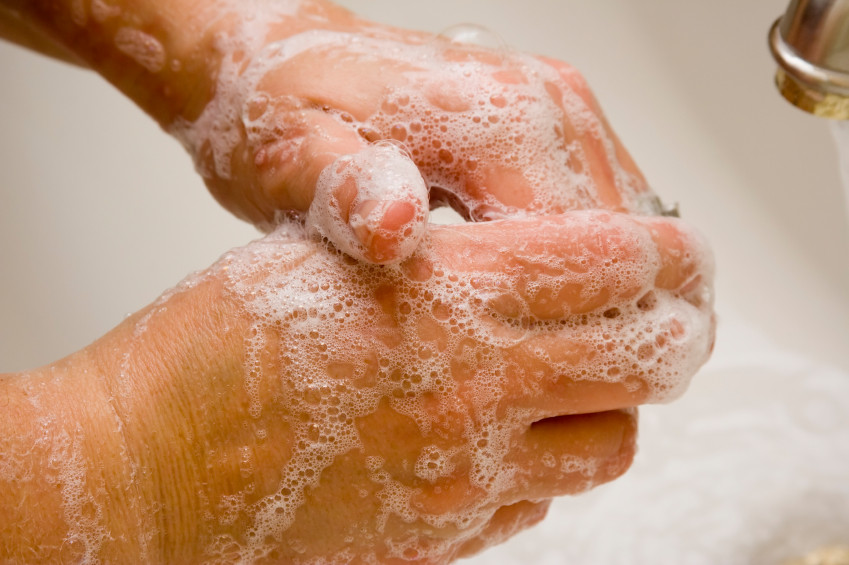
Mysophobia, the fear of germs and contamination, has probably gotten worse since the pandemic started. People with this phobia spend excessive time cleaning, avoid public spaces, and worry constantly about invisible threats.
While good hygiene is important, our immune systems are actually designed to handle most everyday germs without any problems. Many bacteria are beneficial and necessary for our health.
The human body contains trillions of microorganisms that help with digestion, immune function, and other vital processes. Excessive cleanliness can actually weaken our immune systems by preventing them from building up natural defenses.
Most surfaces that seem "dirty" pose little actual health risk to people with normally functioning immune systems.
The Dark Is Just the Absence of Light
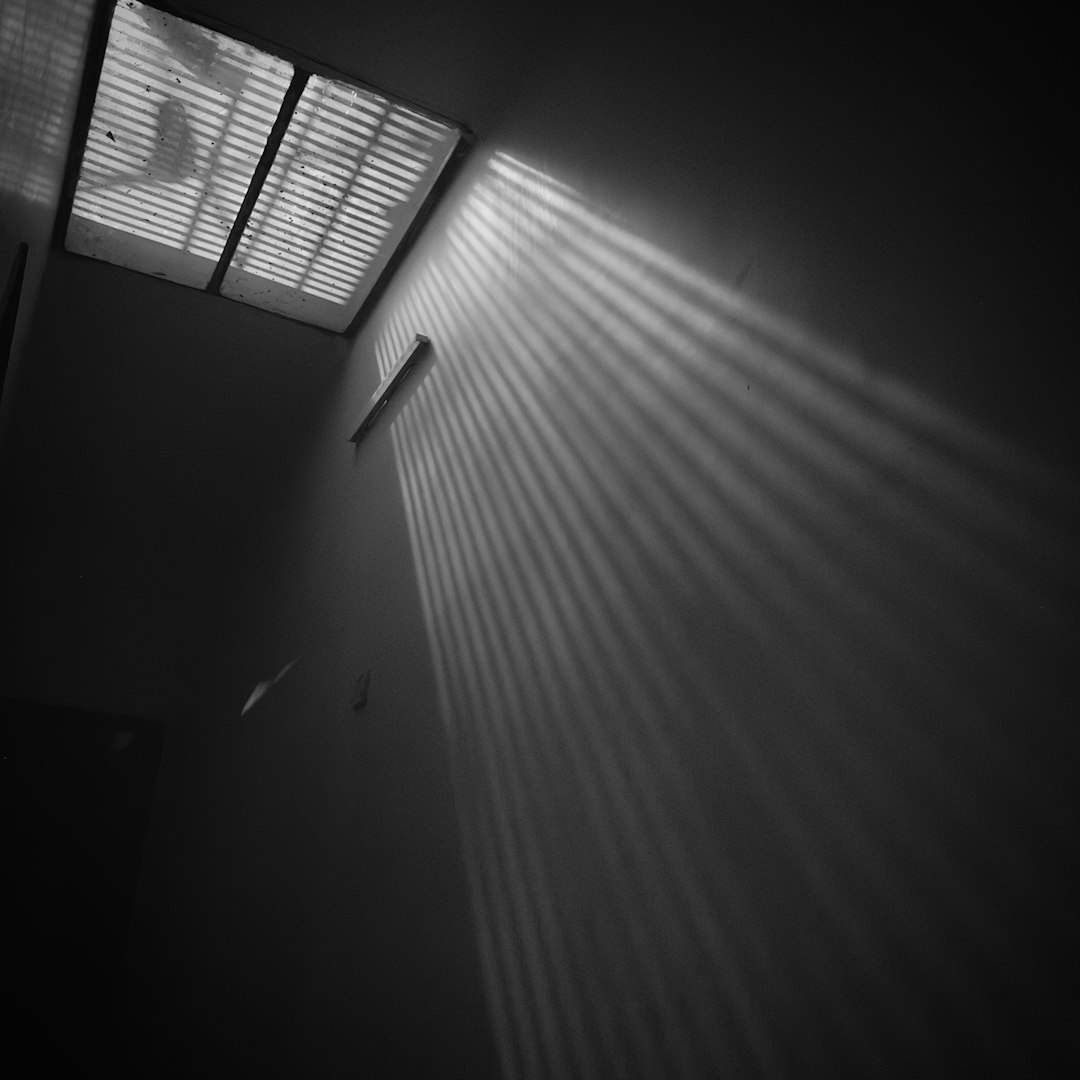
Nyctophobia, or fear of the dark, is incredibly common in children and persists into adulthood for many people. Research shows that babies as young as six months show stress responses to certain feared stimuli, suggesting some fears may have evolutionary origins that predispose us to develop specific phobias.
But darkness itself poses no threat - it's simply the absence of light photons hitting our eyes. Our ancestors had good reasons to fear the dark when predators hunted at night and artificial lighting didn't exist.
In modern environments, the dark is usually just inconvenient, not dangerous. Most of what we imagine lurking in shadows is just furniture, shadows, or our overactive imaginations.
Night lights, flashlights, and gradually exposing yourself to darkness can help retrain your brain to recognize it as harmless.
Conclusion: Fear Doesn't Always Equal Danger
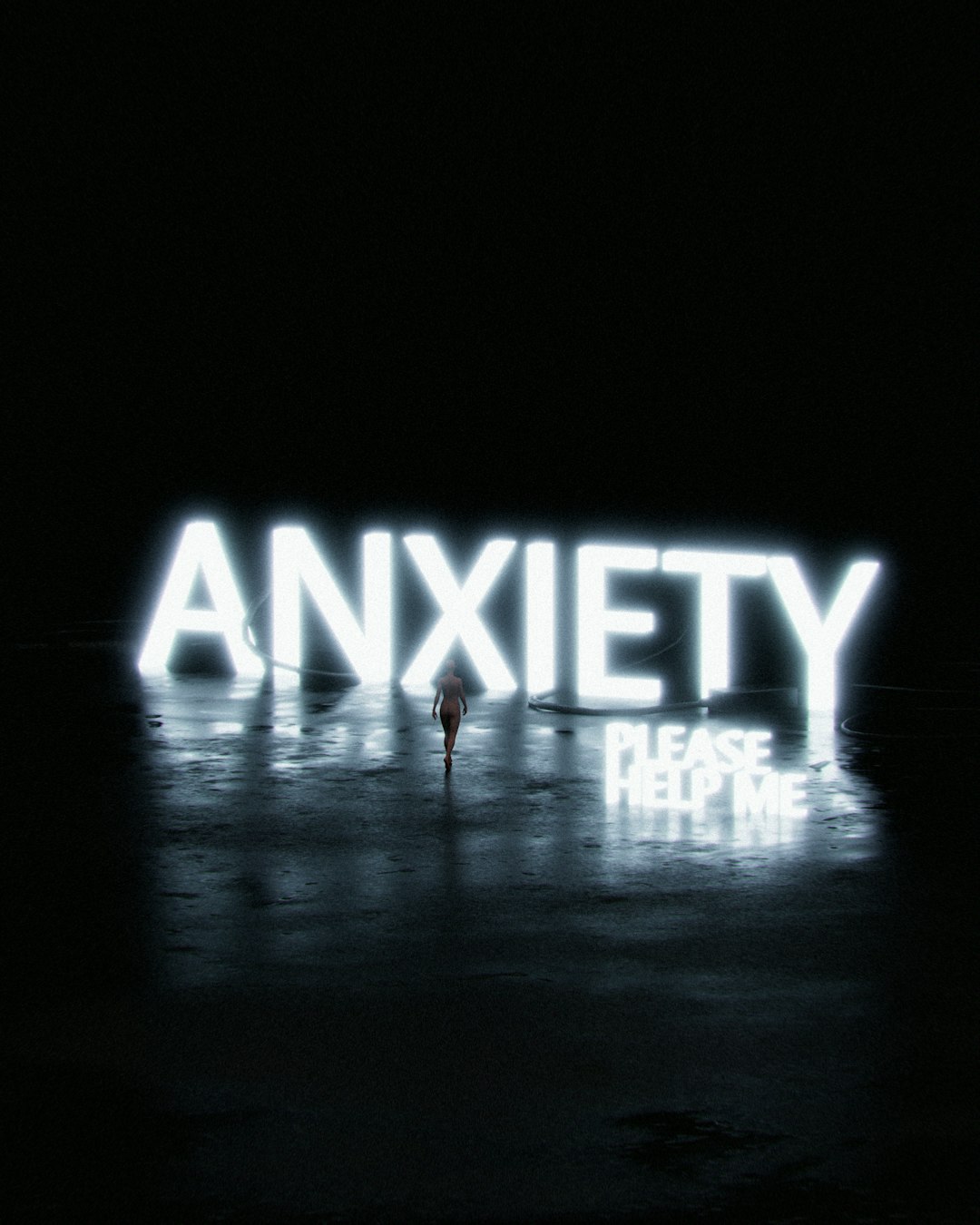
Cross-national studies show that specific phobias affect roughly seven percent of people worldwide, with symptoms typically beginning around age eight. The fascinating thing about most common phobias is how they persist despite overwhelming evidence that they're not actually dangerous.
These fears can be severely disabling and disruptive to daily life, yet they're often connected to things that pose little real threat. The good news is that specific phobias respond very well to targeted therapy, especially cognitive-behavioral approaches and stress management techniques.
Understanding the facts behind our fears doesn't always make them disappear instantly, but it's often the first step toward overcoming them. Professional treatment programs report success rates as high as ninety-nine percent for people overcoming their phobias.
Next time one of these common fears strikes, remember that your brain might just be running very old software in a very modern world. Did you expect that your biggest fears might actually be your safest experiences?
Post a Comment