
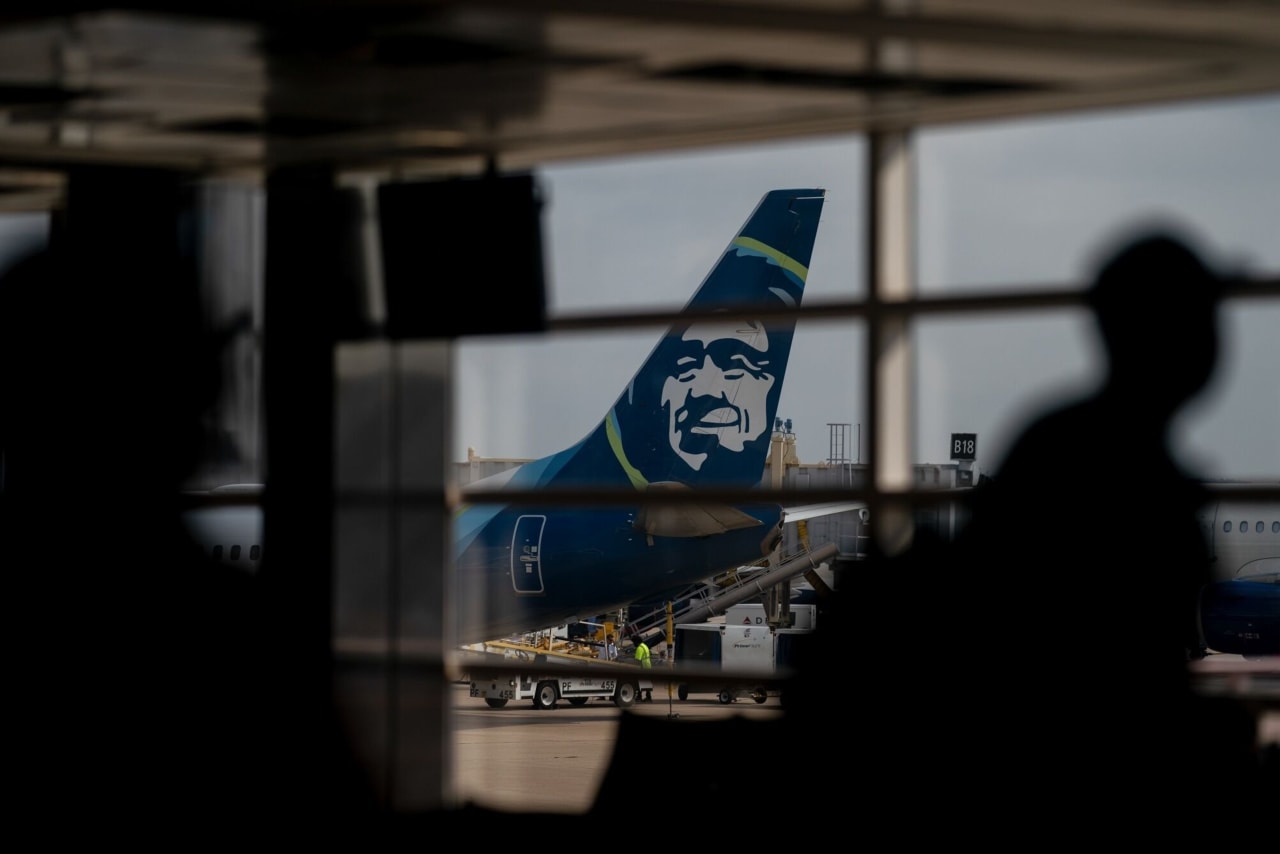
Alaska Airlines Resumes Operations After Technology Outage
Alaska Airlines recently announced that it is in the process of restoring its operations following a significant technology outage. The disruption had a notable impact on the airline's schedule, leading to delays and cancellations across several flights. This event highlighted the critical role of technology in modern air travel and the challenges airlines face when systems fail.
The issues began in the afternoon on Thursday, with a failure at the airline's primary data center. This malfunction affected various systems essential for operating flights, prompting the airline to implement a systemwide ground stop on Thursday evening. The ground stop meant that all aircraft were kept on the ground until the situation could be resolved. As a result, dozens of Alaska Airlines flights experienced delays, many of which were scheduled to arrive at Seattle-Tacoma International Airport, a major hub for the airline.
Flights operated by Alaska Airlines and its subsidiary, Horizon Air, were impacted by the outage. However, flights managed by Hawaiian Airlines, another carrier under the same parent company, remained unaffected. This distinction underscores the complexity of airline operations and how different subsidiaries can be affected differently by technical issues.
Alaska Airlines took to social media to inform customers about the situation, stating, "We are actively restoring our operations following an IT outage." The airline emphasized that flight safety was not compromised during the incident and clarified that the issue was not related to a cybersecurity breach. This statement aimed to reassure passengers and address concerns about potential security risks.
To manage the situation, Alaska Airlines advised customers to check the status of their flights before heading to the airport. The airline also mentioned that a flexible travel policy is in place for those affected by the disruptions. This policy allows customers to adjust their travel plans without incurring additional fees, providing some relief amid the chaos caused by the outage.
This incident is not the first time Alaska Airlines has faced similar challenges. In July, the airline canceled dozens of flights, approximately 10% of its mainline schedule, after a critical piece of hardware at a data center failed, causing airline systems to go down. Additionally, in 2024, Alaska Airlines issued a similar ground stop due to problems with a system used for calculating weight and balances for flights.
These recurring issues highlight the importance of robust infrastructure and contingency planning in the airline industry. As technology continues to play a central role in airline operations, ensuring reliability and resilience becomes increasingly crucial. Airlines must invest in advanced systems and regular maintenance to minimize the risk of such outages.
For customers, the experience serves as a reminder to stay informed about flight statuses and to be prepared for unexpected changes. With the increasing reliance on digital systems, any disruption can have far-reaching consequences, affecting not only the airline but also the travelers who depend on its services.
As Alaska Airlines works to restore normal operations, the focus remains on ensuring that passengers are kept informed and supported throughout the process. The airline's commitment to transparency and customer service is evident in its communication efforts, even in the face of challenging circumstances.
Post a Comment