
The Potential Impact of an AI Stock Market Bubble Burst
The recent surge in artificial intelligence (AI) has sparked a wave of excitement across global financial markets. However, experts have issued warnings that the rapid growth of tech stocks could lead to a significant economic shock if the bubble were to burst. This potential crisis could have far-reaching consequences for public finances and the broader economy.
The Office for Budget Responsibility (OBR) has highlighted how the UK's public finances might be affected if the current rally in tech stocks, driven by AI advancements, were to collapse. This scenario could result in a £26 billion increase in borrowing, which would threaten the government's efforts to balance the budget. The OBR's analysis marks a first in addressing the possible fallout from such a market downturn.
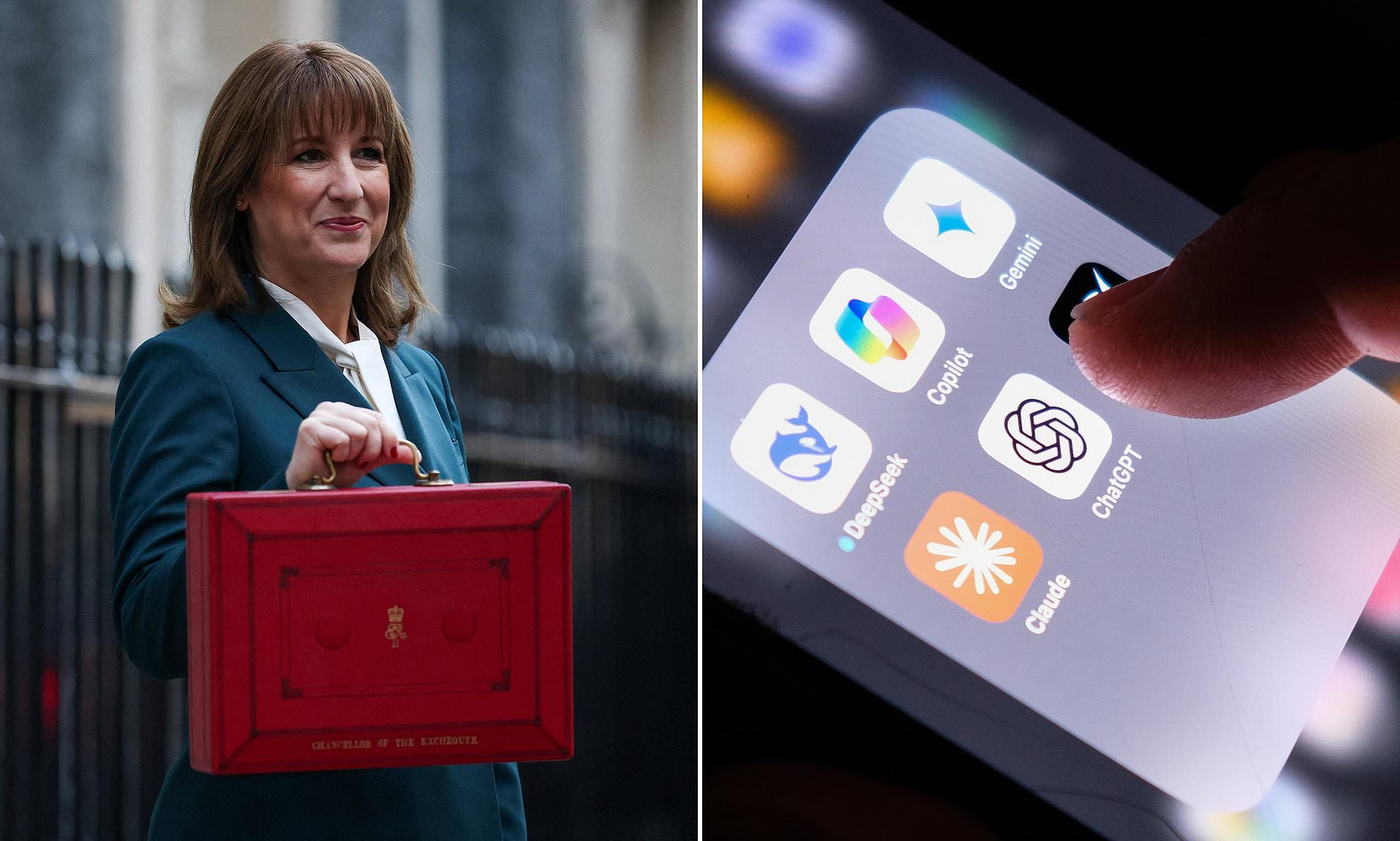
One key concern is the impact on Rachel Reeves' ability to meet her fiscal targets. A reversal in demand for shares in companies like Nvidia could force the government to either raise taxes or cut spending. This would directly affect UK households and underscore the volatility of Wall Street trading patterns.
The Bank of England and the International Monetary Fund have also raised alarms about the potential damage if the US stock market bubble bursts. Such an event could create ripple effects beyond the tech sector, impacting various industries and consumer confidence.
Worst-Case Scenario Analysis
In a worst-case 'global correction' scenario, the OBR models a 35% slump in global and UK share prices. This would significantly reduce household wealth and firm valuations, while also leading to a sharp decline in consumer and business confidence. Over the next couple of years, this could result in a 0.6% reduction in gross domestic product as households lower their consumption and businesses delay or cancel investments.
Tax receipts in the 2027/28 financial year would face a £27 billion hit, with borrowing increasing by £26 billion compared to current forecasts. While this deficit would narrow over the following two years to a £16 billion hit, it would still severely impact the government's budget headroom—the amount left after meeting its targets to reduce borrowing and spending by 2029/30.
Currently, the budget headroom is estimated at £22 billion, but this could drop to £6 billion in the event of the worst-case AI shock. This reduction would limit the government's flexibility in managing its financial commitments.
Broader Market Concerns
The OBR's warning coincides with concerns raised by the European Central Bank regarding stretched market valuations. It pointed to "fear of missing out" as a possible driver behind the extended rally, which is heavily concentrated in the so-called 'Magnificent Seven' US tech stocks—Alphabet, Amazon, Apple, Meta, Microsoft, Nvidia, and Elon Musk's Tesla.
US tech stocks have experienced a surge in value due to investor enthusiasm over AI's potential to transform both business and society. However, some critics argue that these valuations have risen too quickly, creating a bubble that could lead to devastating financial consequences if it bursts.
Implications for Global Markets
The growing concerns about an AI-driven stock market bubble have led to increased scrutiny of global financial stability. As investors continue to pour money into AI-related technologies, the risk of a market correction remains a pressing issue. The potential fallout from such a correction could disrupt not only the tech sector but also the broader economy.
With the UK's financial strategy closely tied to the performance of global markets, the possibility of an AI stock market bubble bursting poses a significant challenge. Experts are urging policymakers to remain vigilant and prepared for any potential economic shocks that may arise from this volatile landscape.
Post a Comment