
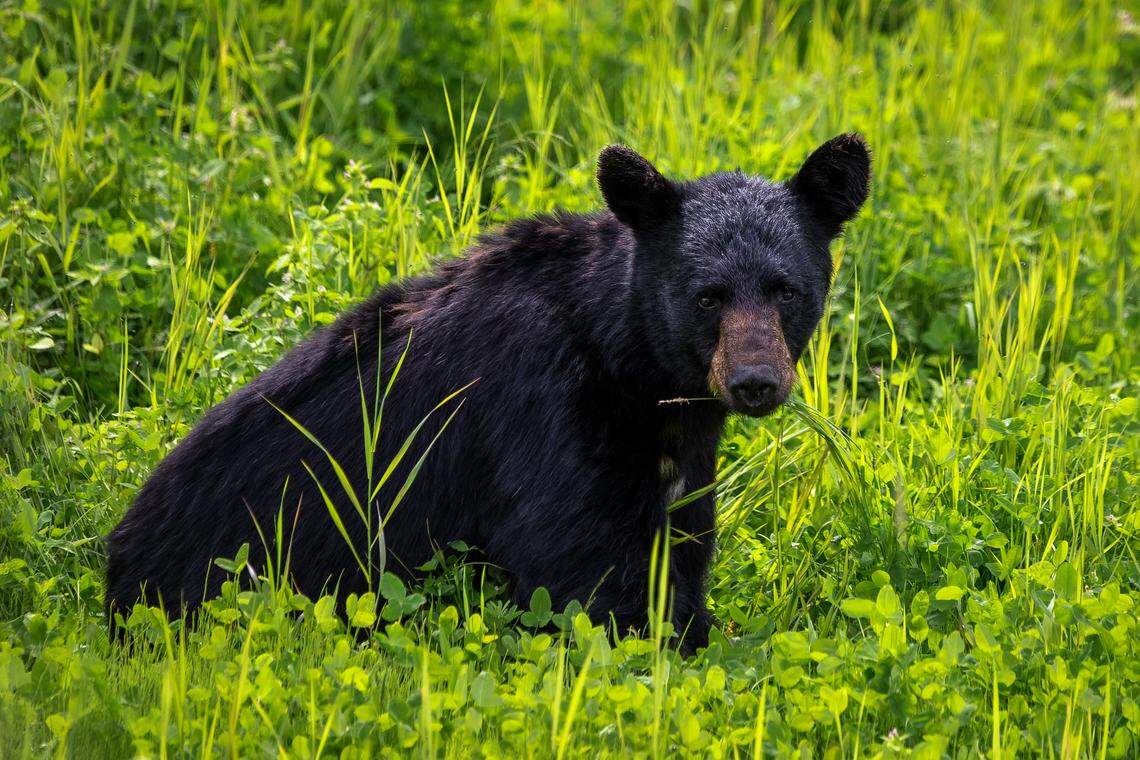
As the summer season comes to a close and the camping season begins, more people are venturing outdoors, and Georgia's bears are preparing for their winter hibernation. According to data from the World Population Review, Georgia is home to an estimated 4,100 to 5,100 black bears. As these animals enter their "power-eating time," their appetites become intense, driven by a biological need to build up fat reserves before hibernation.
During this period, known as hyperphagia, bears are focused solely on finding food. This behavior makes them more protective of their food sources and less aware of their surroundings. It's important for outdoor enthusiasts to understand how to react if they encounter a bear to ensure both human and bear safety.
What to Do If You Encounter a Bear
Most bears are shy and tend to avoid humans. However, a bear that is searching for food near campsites may become bold or even dangerous. Here are some key steps to follow:
- Stay calm. Don't run or panic; the bear likely noticed you first.
- Stand your ground. Make yourself look larger by waving your arms and speaking in a firm voice.
- Do not approach. Never try to get closer for photos or to scare it away.
- Slowly back away. Move away while facing the bear and keeping it in sight.
If the bear approaches, it may display signs of nervousness such as clacking its teeth, moaning, blowing, huffing, or standing on its hind legs to get a better view. In such cases, consider the following strategies:
- Make noise. Clap, yell, or bang pots to let the bear know you're not prey.
- Stay in groups. If you're with others, stick together to appear more intimidating.
- Do not drop your backpack or food. These items can protect you and discourage the bear from seeing humans as easy food sources.
If a Bear Acts Aggressively
When a bear is particularly agitated or fearful, it may perform a bluff charge—running toward you and then stopping before reaching you. This behavior is often a warning sign. If it escalates, take action:
- Stand your ground. Bluff charges are usually meant to scare you.
- Use bear spray, if available.
- Fight back using any available object. Throw rocks, sticks, or use your fists, aiming for the face and muzzle.
- Never play dead. Bears often retreat if they believe their prey isn't an easy target.
Be Proactive While Outdoors
Bears are quick learners, and allowing them to find anything that smells or tastes like food teaches them to approach homes and people looking for more. To keep your campsite safe, follow these guidelines:
- Store food in bear-proof containers or hang it at least 10ft off the ground and 4ft from tree trunks.
- Never keep food, toiletries, or trash in your tent.
- Clean up immediately after cooking. Dispose of scraps in sealed trash bins.
- Maintain a clean camp. Bears have an incredible sense of smell, so even small items like gum wrappers or toothpaste can attract them.
Georgia's bears aren't out to cause trouble, but with more people and wildlife crossing paths as the seasons change, preparation is essential. For up-to-date information, practical tips, and sighting reports, refer to the Bearwise Basics for Home and Outdoors.
Post a Comment