
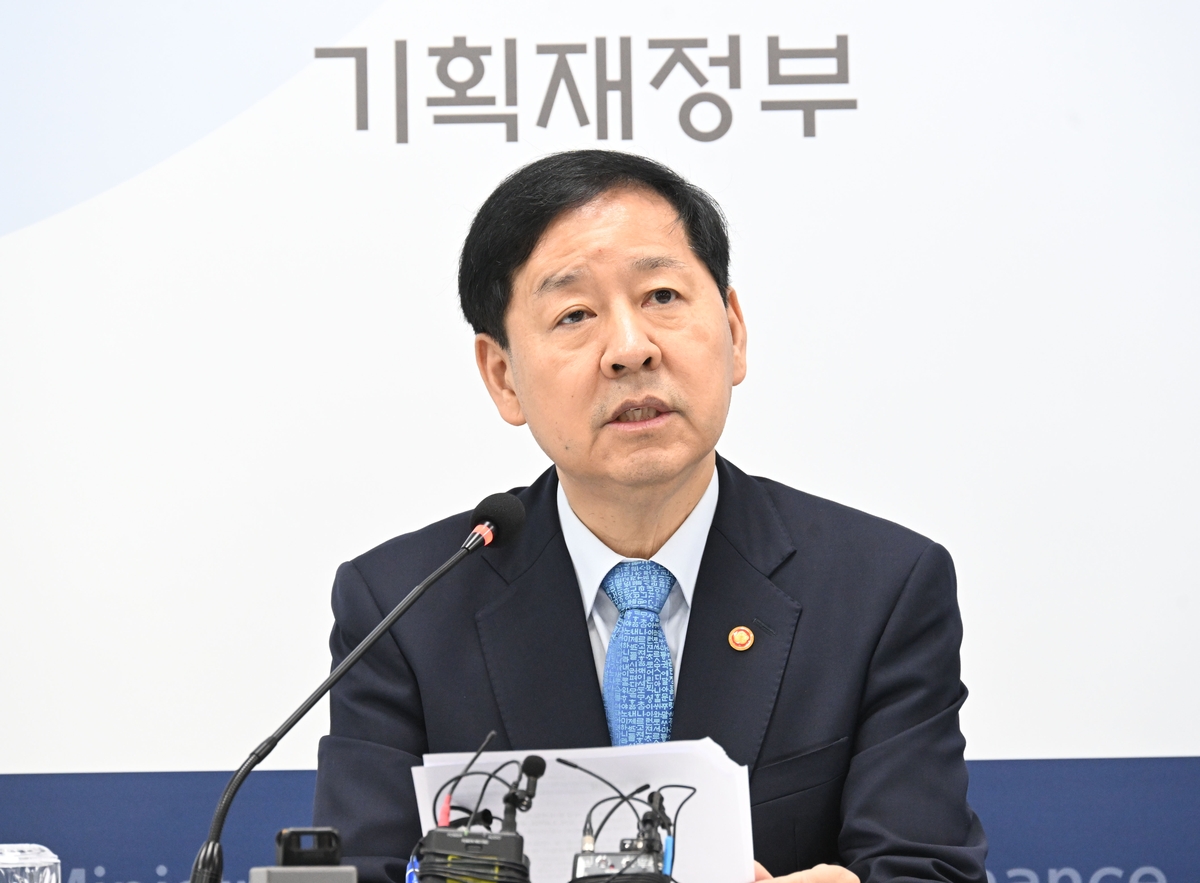
Government Takes Proactive Stance on FX Market Volatility
South Korea’s Finance Minister Koo Yun-cheol has signaled the government's readiness to take decisive action if the foreign exchange (FX) market experiences excessive volatility. This comes as the Korean won continues to face downward pressure against the U.S. dollar, raising concerns among policymakers and market participants.
The minister emphasized that the won is particularly sensitive to global financial trends compared to other currencies. He stated that authorities are closely monitoring speculative trading and one-sided market movements, indicating that any significant swings in the FX market could prompt immediate intervention.
Joint Consultation Body Formed to Address FX Challenges
In response to the rapid depreciation of the won, several key government agencies have come together to form a joint consultation body. The Ministry of Economy and Finance, the Bank of Korea, the National Pension Service (NPS), and the Ministry of Health and Welfare have initiated discussions to address the impact of the NPS' investment strategies on the FX market.
This group held its first meeting to explore ways to balance the NPS’ investment returns with the stability of the FX market. The goal is to create what the ministry refers to as a “new framework” for managing the pension fund’s overseas assets.
The minister clarified that these discussions are not aimed at implementing short-term measures to counteract the won’s depreciation. Instead, the focus is on developing long-term solutions that ensure stable pension payouts while maintaining the NPS’ profitability. Further deliberations will examine potential reforms that could be implemented over the medium to long term.
Impact of NPS’ Overseas Investments on the Won
The NPS, which is the world’s third-largest pension fund, has been increasing its overseas investments. This growing exposure to foreign assets has drawn attention from market analysts, who suggest that it may be contributing to pressure on the local currency.
Some experts believe that the new consultation body might consider encouraging the NPS to adopt more active currency-hedging strategies. For example, the NPS could be advised to sell part of its dollar-denominated overseas assets if the won weakens significantly. Such measures could help stabilize the FX market and reduce the impact of external economic factors on the domestic currency.
Recent FX Market Trends
Despite the ongoing concerns, the Korean won showed signs of recovery on Wednesday. It strengthened against the U.S. dollar for the second consecutive session after hitting its weakest level since April. This brief rebound highlights the dynamic nature of the FX market and the importance of continued monitoring by policymakers.
The government remains vigilant, aware that the FX market is influenced by a wide range of factors, including global economic conditions, interest rate policies, and investor sentiment. As such, the commitment to taking decisive action ensures that the government is prepared to respond to any developments that could threaten financial stability.
Ongoing Efforts for Long-Term Stability
The formation of the joint consultation body represents a proactive approach to addressing the challenges posed by the current FX environment. By fostering collaboration between key stakeholders, the government aims to develop sustainable solutions that protect both the economy and the interests of pension beneficiaries.
These efforts underscore the importance of balancing short-term interventions with long-term planning. As the NPS continues to expand its international portfolio, the need for strategic oversight becomes increasingly critical. The new framework being developed could serve as a model for managing similar challenges in the future, ensuring that the FX market remains resilient in the face of global uncertainties.
Post a Comment