
A Unique Challenge in Sioux Falls
Each neighborhood in Sioux Falls has its own distinct character, and with that comes a variety of challenges. In the Whittier neighborhood, just east of downtown, a local business owner is tackling one of these unique issues head-on. Shannon Ward, the owner of Good NAtured, has found herself in a position where helping others is not just a choice but a responsibility.
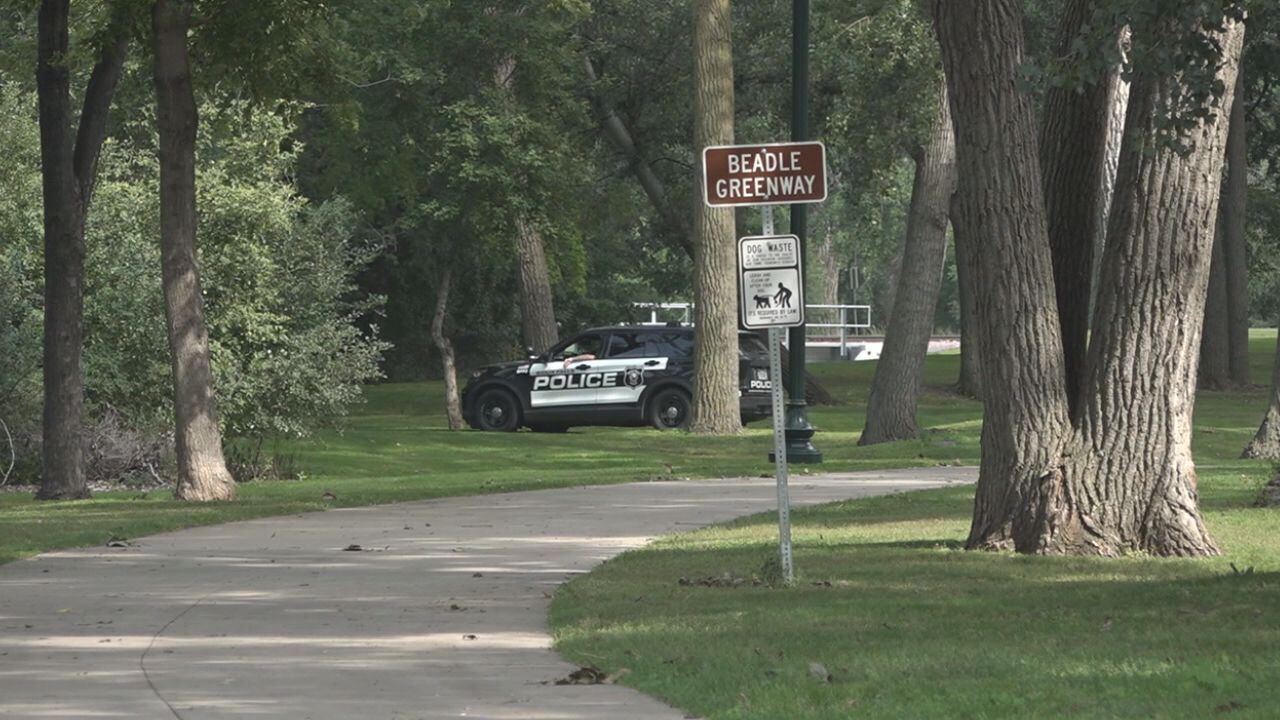
Ward and her friends have taken a man under their wing. He is known for his kindness, but he has no permanent home. One day, he received a $107 fine for sleeping in a park after hours. Rather than letting this situation go unnoticed, Ward decided to understand the process behind it. She accompanied him when he received the ticket, which sparked a deeper investigation into the broader issue.
The Hidden Cost of Homelessness
Ward wanted to learn more about the individuals who might be homeless and the citations they receive. She requested data from local authorities and discovered some startling numbers. Since 2022, nearly 2,000 tickets were issued to people listed as transient or with an unknown address. This data was presented to the Sioux Falls City Council, highlighting a troubling pattern.
What stood out most was not the total number of citations, but the concentration of them. Five percent of individuals received over a quarter of all citations. The top two individuals had 30 or more citations each. Most of these repeated citations occurred within 72 hours, often at the same parks. This trend suggests that the current system is not effectively addressing the issue, but rather creating a cycle that continues to repeat itself.
It remains unclear how many times police warn offenders without issuing a ticket. However, Ward believes that there is a better way forward.
A Proven Solution: Housing First
Ward proposed a solution that has been successful in other communities. The Housing First initiative focuses on providing stable housing first, followed by wrap-around services to support long-term success. According to Ward, this approach has helped house 80 to 90 people in other cities and has kept them housed.
She believes that implementing a similar program in Sioux Falls could make a significant difference. By addressing the root causes of homelessness, the city could reduce the number of citations and create a more supportive environment for those in need.
A Call for Collective Action
Ward emphasizes the importance of not turning away from the issue. When society looks away, those who truly need attention are overlooked. Her efforts highlight the power of community action and the impact that one person can have when they choose to step up and help.
By raising awareness and advocating for change, Ward is setting an example for others to follow. Her story serves as a reminder that small businesses and individuals can play a crucial role in shaping a more compassionate and inclusive community.
In a city where every neighborhood has its own challenges, it’s clear that solutions require collaboration, empathy, and a willingness to look beyond the surface. Through initiatives like Housing First and community-driven efforts, Sioux Falls has the potential to create lasting change and support those who are most vulnerable.
Post a Comment