
The Quest to Unify Gravity and Quantum Theory
One of the most challenging goals in modern physics is to unify gravity with quantum theory. While scientists have successfully integrated other fundamental interactions—such as electromagnetism, the strong force, and the weak force—into the framework of quantum mechanics, the quest for a "quantum gravity" has remained elusive. Despite numerous attempts, researchers are still struggling to determine whether these two theories can be combined or if they are fundamentally incompatible.
Richard Feynman's Experiment and New Findings
A major approach to proving or disproving whether gravity is quantum involves a thought experiment proposed by Richard Feynman. This experiment aims to test if gravity can entangle two massive objects. In theory, such entanglement would suggest that gravity exhibits quantum behavior. Although this idea was not feasible in 1957 when Feynman first introduced it, recent scientific advancements are bringing this experiment closer to reality.
However, a new study published in Nature suggests that the matter is more complex than previously thought. The research team found that entanglement may not necessarily be evidence of quantum gravity. They concluded that classical gravity could also generate entanglement under certain conditions.
The Role of Quantum Field Theory
The study highlights the importance of quantum field theory (QFT) in understanding gravitational interactions. Traditionally, it was believed that classical gravity only allows for local operations and exchanges of classical information (LOCC), which should not produce entanglement. However, when combining QFT for matter with classical gravity, the researchers observed different results.
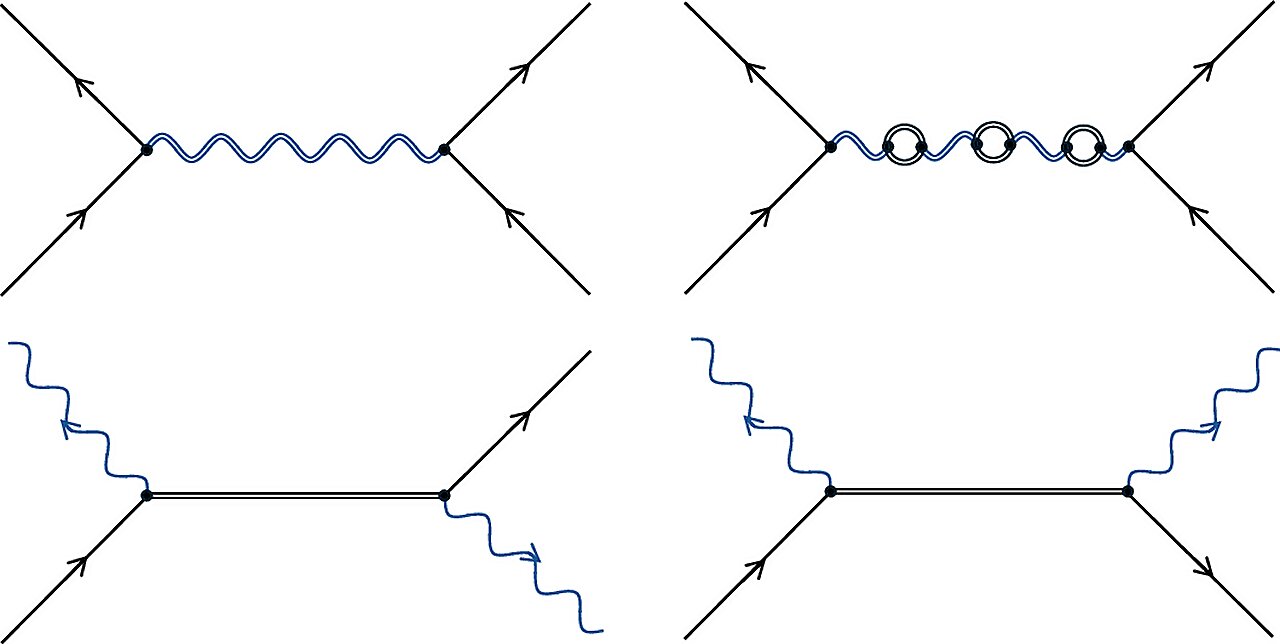
They argue that the previous assumption—that matter follows standard quantum mechanics—may be too restrictive. By considering that matter obeys QFT, they demonstrate that classical gravity can naturally lead to quantum communication. This communication arises from virtual matter propagators rather than the previously assumed virtual graviton propagators.
Implications for Future Research
The findings challenge earlier theorems that limited the scope of gravitational interactions. According to the study, both quantum gravity and classical gravity can lead to entanglement, depending on the parameters involved. This means that entanglement alone cannot definitively prove the quantum nature of gravity.
Despite this complexity, Feynman’s experiment remains valuable. While both classical and quantum gravity can produce entanglement, the strength of this effect varies based on factors like mass and experiment duration. These differences might still allow researchers to distinguish between the two types of gravity.
Conclusion
This study adds a layer of nuance to the ongoing debate about the quantum nature of gravity. It emphasizes the need for careful consideration of experimental parameters and theoretical frameworks. As physicists continue to explore the intersection of gravity and quantum mechanics, the implications of this research could influence future experiments and theoretical models.
For those interested in staying updated on the latest developments in science and technology, there are opportunities to support independent journalism through donations. Your contributions help sustain quality reporting and ensure that important discoveries reach a wider audience.
More information: Joseph Aziz et al, Classical theories of gravity produce entanglement, Nature (2025). DOI: 10.1038/s41586-025-09595-7
Post a Comment