
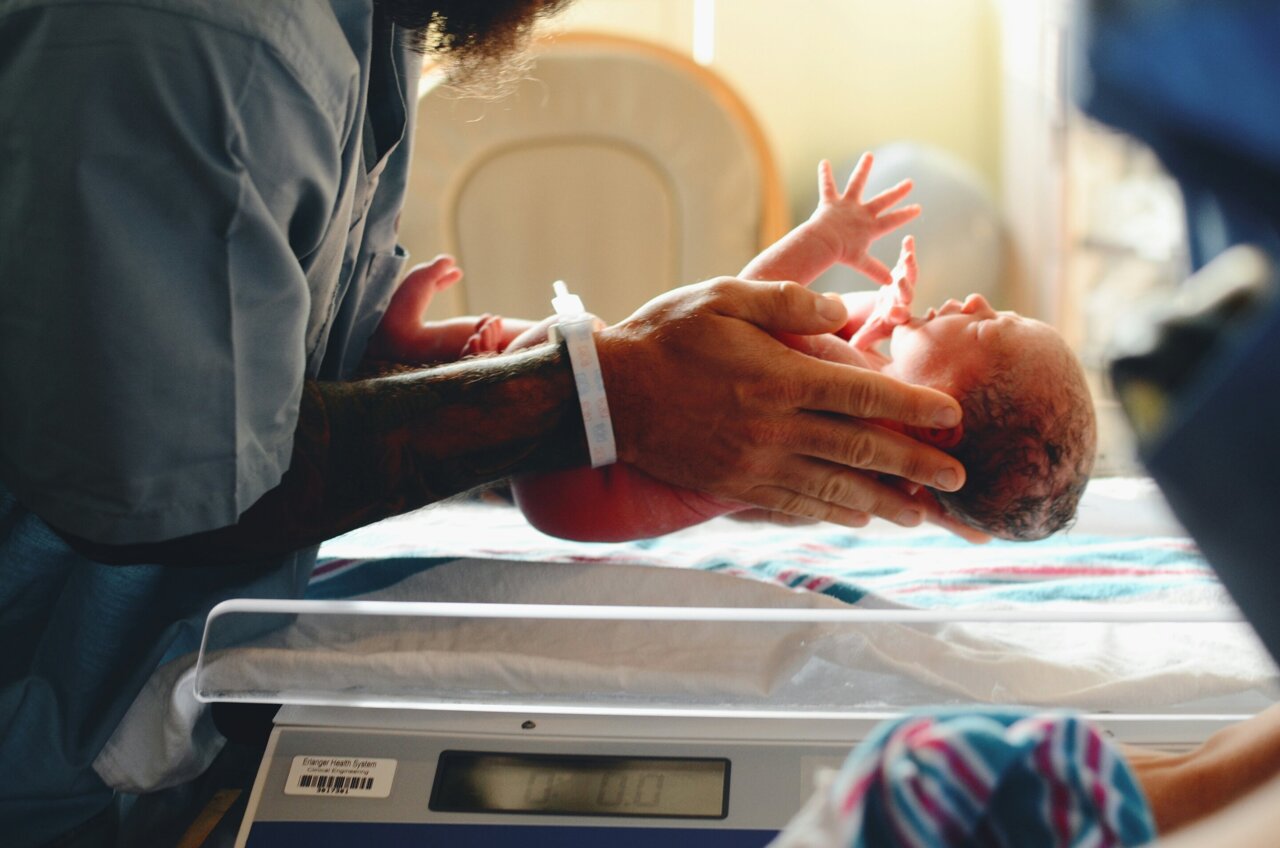
The Maternal Health Crisis in the United States
The United States is facing a growing maternal health crisis, despite being one of the most resource-rich nations in the world. According to recent data, the U.S. has the highest maternal mortality rate among wealthy countries, and this alarming trend is worsening. A 2025 report highlighted that nearly half of U.S. counties lack access to an obstetrician, midwife, or birthing facility, creating what experts refer to as "maternity care deserts."
These maternity care deserts are areas where there is no access to essential maternity services. This lack of access affects more than 6.9 million patients and nearly 500,000 births each year. Women in these regions often have to travel for hours to receive care, which puts both mothers and babies at higher risk during pregnancy and childbirth.
Understanding the Causes of Maternity Care Deserts
Tiffany A. Moore Simas, MD, MPH, MEd, who holds the Donna M. and Robert J. Manning Chair in Obstetrics and Gynecology at UMass Chan Medical School, explains the underlying causes of this issue. She points out that maternity care in the U.S. has been chronically underfunded for decades. This lack of investment has led to the closure of many maternity and birthing centers, resulting in workforce shortages and limited access to care.
Financial pressures also play a significant role in the closure of hospital maternity units. Running a maternity unit is expensive due to high overhead costs and the need for 24/7 operations. Payers do not reimburse in a way that makes it financially viable, especially for smaller community hospitals.
Despite these challenges, some regions, like Central Massachusetts, still have adequate options for maternity care. According to March of Dimes, Massachusetts has no maternity care deserts, and 91% of all zip codes are within a 30-minute drive of a maternity hospital.
The Shortage of OB/GYN Doctors and Midwives
Another critical issue is the shortage of OB/GYN doctors and midwives. Moore Simas explains that the country is not training enough professionals to meet the demand. There is a mismatch between the number of OB/GYNs needed and the available training slots. One in five U.S. medical students who want to specialize in OB/GYN cannot match due to a lack of positions.
This shortage is not due to a lack of interest but rather a lack of investment in women's health infrastructure. The care of women and children has historically been undervalued in the broader healthcare ecosystem, leading to underfunding and policy neglect.
Impact on Patients and Healthcare Providers
Shortages of healthcare professionals have forced hospitals and clinics to make difficult choices. Moore Simas shared an example from earlier this year when her team had to prioritize pregnant patients over gynecologic patients due to staffing vacancies. This situation reflects a national trend where hospitals struggle to balance limited staff with the urgent need for maternity care.
Disparities in Risk for Black Women and Rural Communities
Moore Simas emphasizes that the higher risks faced by Black women and people in rural communities are deeply systemic. Racism, bias, and structural inequities play enormous roles in these disparities. She highlights the impact of implicit bias in medical care, where certain groups may not be heard or believed. Additionally, lifelong stress from experiencing racism has been linked to higher risks of preterm birth and low birth weight.
Underinvestment in hospitals, schools, and communities directly ties back to social determinants of health, contributing to poor outcomes in these regions.
Solutions to the Maternal Health Crisis
To address this crisis, Moore Simas suggests several key steps. First, expanding training programs to increase the number of OB/GYN doctors and midwives is essential. Second, creating more sustainable care models that support midwives, family medicine physicians trained in obstetrics, and team-based approaches can help fill gaps in care.
She also emphasizes the importance of appropriate reimbursement tied to better outcomes. Training should reflect the realities of different practice settings, particularly in smaller community and rural hospitals where providers may be the only source of care across multiple counties.
Looking Ahead
Moore Simas calls for coordinated national and state action to address the OB/GYN shortage. This includes expanding training programs, improving reimbursement models, and recognizing maternity care as a public health priority. Without urgent investment, maternity deserts will continue to grow. However, with the right policies and a commitment to valuing women's health, it is possible to turn this crisis around and ensure every family has access to safe, high-quality care.
Post a Comment