
Warren Buffett’s Massive Stock Sales Spark Market Concerns
Warren Buffett, the 95-year-old investor known as the “Oracle of Omaha,” has sent shockwaves through Wall Street after revealing that he sold off another $6 billion in shares. This marks the third consecutive year that the billionaire has quietly reduced portions of his massive portfolio. The sales occurred through his Berkshire Hathaway empire during the three months ending September 30, signaling a shift in his investment strategy as stock prices reach unprecedented heights.
Buffett’s decision to sell rather than buy has raised eyebrows among investors and analysts alike. He has now divested approximately $184 billion in shares since 2022, with his growing cash reserves fueling speculation that he is preparing for a potential market downturn. As of now, Berkshire Hathaway holds a record $382 billion in cash, not including an additional $23 billion in short-term Treasurys.
The legendary investor, who plans to step down as CEO at the end of the year, has remained on the sidelines for months. He has avoided buying back Berkshire stock or making major new investments while the market continues to rise. This cautious approach has led to a decline in Berkshire shares by about 12 percent since Buffett announced his retirement in May, even as the S&P 500 has climbed nearly 20 percent. This divergence has sparked concerns that his exit and reluctance to invest could be a warning sign for the broader market.
Greg Abel, Buffett’s longtime deputy and 62-year-old successor, is set to take over in January. However, investors are wary of the timing of Buffett’s retreat from the market, wondering if it signals that he sees potential trouble ahead. One analyst noted, “He’s clearly finding more value in cash than in stocks. That’s rarely a good signal.”
Despite strong quarterly earnings—profits surged 34 percent to $13.5 billion thanks to a rebound in its Geico insurance division—Buffett’s focus on cash and avoidance of new deals have overshadowed the positive news. While Berkshire did secure a major acquisition last month by purchasing Occidental Petroleum’s petrochemicals division for $9.7 billion, the deal was led by Abel, not Buffett himself.
Buffett’s pullback comes amid losses in Berkshire’s energy division, which suffered a $1.1 billion hit from California wildfires and added another $100 million in fire-related costs tied to its Oregon utility, PacifiCorp. Additionally, Buffett has been gradually reducing his stake in Apple, one of his largest holdings, though it remains unclear whether he made further cuts this quarter.
For many on Wall Street, Buffett’s increasing cash reserves and his steady withdrawal from the stock market feel like a red flag. “He’s the ultimate market optimist,” said one fund manager. “If even Warren Buffett is selling, it’s time to ask what he’s seeing that the rest of us aren’t.”
Buffett’s influence on the market is immense. His approval often sends stocks soaring, indicating where one of history’s most successful investors sees opportunity. Even his smaller trades can move markets. For example, in February, Sirius XM’s shares jumped 12 percent after Buffett revealed he purchased $54 million in stock, giving him a 35 percent stake. In August, his acquisition of UnitedHealth stock helped the company avoid a historic drop. Conversely, when Buffett sold his stake in DaVita, the stock tumbled 11.1 percent.
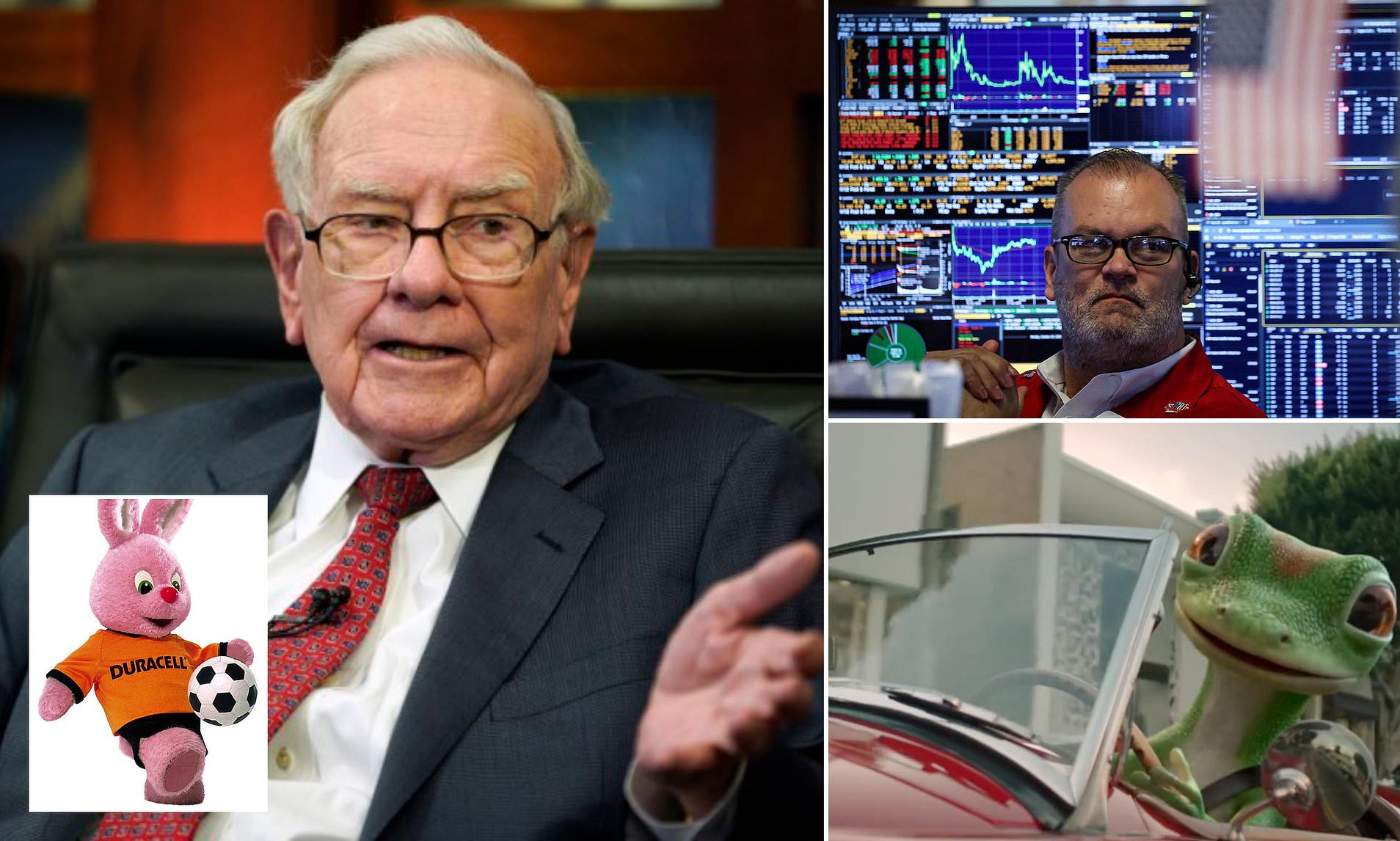
Berkshire Hathaway, which owns dozens of companies such as Geico, Duracell, and Dairy Queen, has largely stayed on the sidelines in 2024, focusing only on small deals. Buffett has also sold billions in Apple and Bank of America stock, leading to his cash reserves reaching their highest level since 1990. This has prompted questions about whether he believes the market is overvalued.
Buffett has long emphasized that the stock market should reflect the economic production of the U.S. Currently, however, the market is valued at more than twice the amount of money the U.S. produces. As Buffett continues to reduce his exposure and increase his cash reserves, investors are watching closely to see what his next move might be.
Post a Comment