
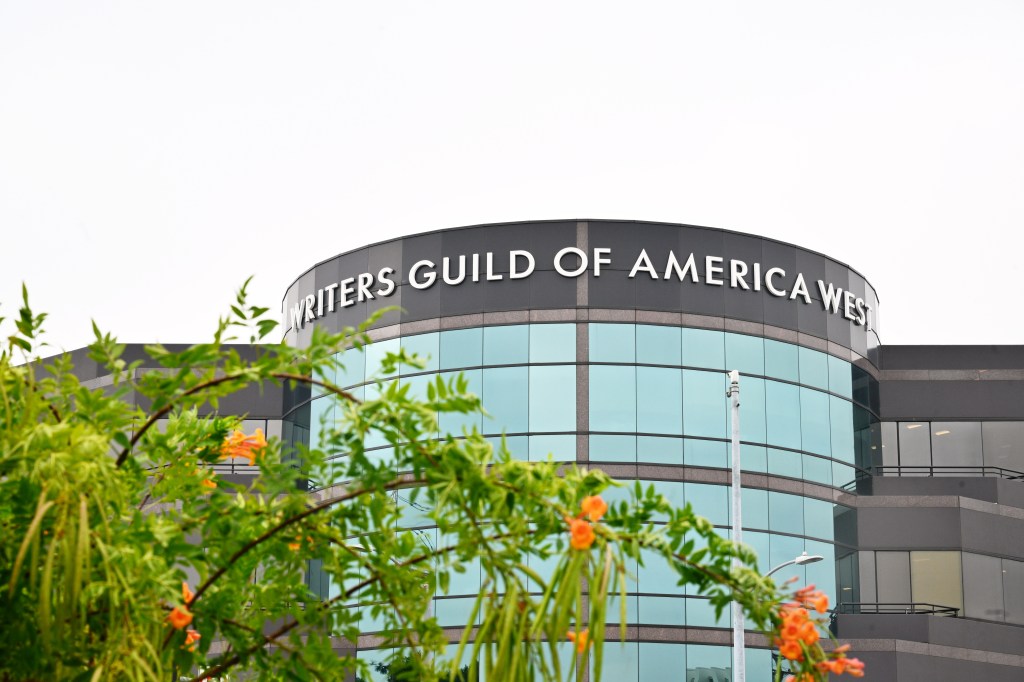
Writers Guild of America Warns Against Warner Bros. Merger
The Writers Guild of America (WGA) has strongly opposed the potential merger between Warner Bros. and another major studio, labeling it a "disaster" for writers, consumers, and the broader media landscape. This stance comes as Warner Bros. is reportedly considering multiple offers from interested parties, with Paramount, now owned by David Ellison’s Skydance, emerging as a top contender.
The WGA East and West issued a statement emphasizing that repeated mergers in the media industry have had negative consequences for workers, reduced competition, and limited free speech. They argue that combining Warner Bros. with Paramount or another large studio would further consolidate power in the hands of a few, harming the creative community and limiting the diversity of content available to audiences.
“We will work with regulators to block the merger,” the statement said, highlighting the union’s long-standing opposition to such consolidations. The WGA has historically taken a firm position against major industry mergers, often citing concerns over the impact on creative freedom and market fairness.
A History of Opposition
The WGA’s resistance to media consolidation is not new. In 2002, the union opposed the failed Dish-DirecTV merger, which aimed to combine satellite television services. Then, in 2011, the WGA sought to block the merger of Comcast and NBCUniversal, warning that the media landscape was already too concentrated. The union feared that Comcast could leverage its control over cable distribution to favor its own content, creating an unfair advantage.
In 2016, the WGA raised concerns about the AT&T merger with Time Warner, particularly regarding net neutrality. When the deal was approved in 2018, the WGA criticized the move, arguing that it handed control of the media industry to corporate giants focused more on profit than on informing or entertaining the public.
The union also opposed the Disney-Fox merger in 2017 and the Amazon-MGM merger in 2021. It was especially vocal against the Warner Bros.-Discovery merger in 2022, calling it a "clear disaster" for content creators who lost jobs and for consumers facing a less diverse content landscape.
Calls for Stronger Antitrust Enforcement
Beyond opposing specific mergers, the WGA has consistently advocated for stronger antitrust enforcement in the entertainment industry. In 2023, the union warned that companies like Disney, Netflix, and Amazon were becoming the “new gatekeepers” of the industry, wielding significant influence over what content gets produced and distributed.
This call for regulation reflects the WGA’s ongoing concern that media consolidation leads to fewer opportunities for writers and a homogenized content offering. The union believes that a competitive marketplace is essential for fostering creativity and ensuring a wide range of voices and stories are represented.
The Future of Hollywood
As Warner Bros. remains up for sale, the potential merger with another major studio continues to spark debate. While some see it as a strategic move to strengthen the company’s position in the evolving media landscape, the WGA and other industry watchdogs remain wary. They argue that such deals prioritize short-term financial gains over long-term creative and consumer interests.
With the media industry increasingly dominated by a handful of powerful players, the WGA’s warnings serve as a reminder of the importance of maintaining a diverse and competitive environment. As the situation unfolds, the outcome of any potential merger could have far-reaching implications for writers, studios, and audiences alike.
Post a Comment