
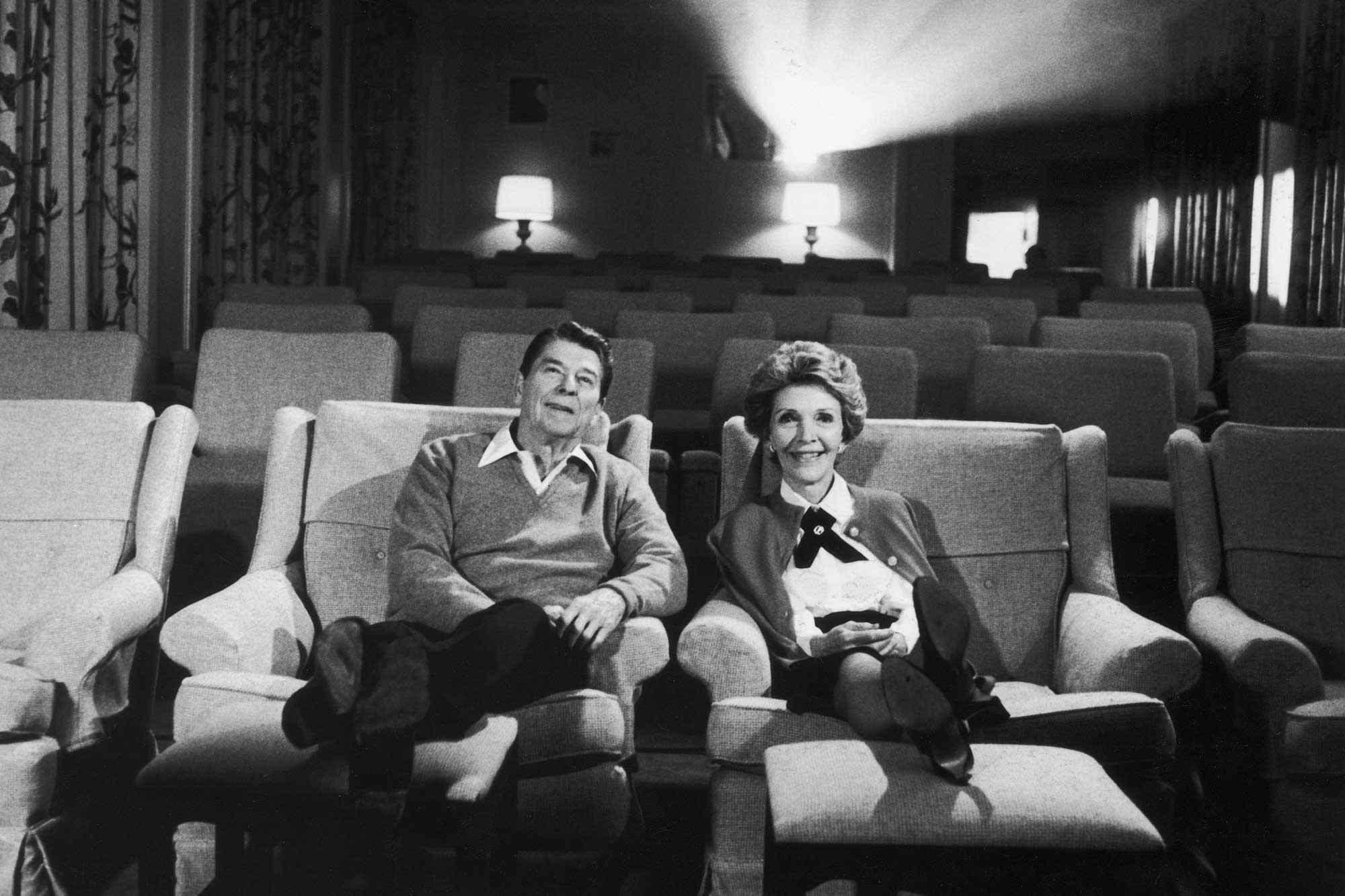
The Legacy of the White House Screening Room
The White House has a long and storied history with film, dating back to 1942 when the first screening room was established. This space became a cherished part of presidential life, where leaders from Franklin D. Roosevelt to Joe Biden have gathered to watch movies in private. However, this tradition is now coming to an end as the East Wing of the White House undergoes major renovations.
Demolition of the East Wing
Construction on President Donald Trump’s $300 million ballroom has led to the complete demolition of the East Wing, which included the historic movie theater. This move marks the end of an era for the White House, as the screening room that had been used by presidents for over 80 years is no longer standing. While the exact timeline for the new ballroom remains unclear, it is expected to be completed before the end of Trump’s term in 2029.
Despite the loss of the original space, there are hopes that the theater will eventually be modernized and renovated along with the rest of the East Wing. A source reportedly told The Hollywood Reporter that the theater will be updated to meet current standards, though no official details have been released.
A History of Film at the White House
The White House screening room was originally added during the fourth term of Franklin D. Roosevelt in 1942. At the time, the East Terrace's cloakroom was converted into a small theater, setting the stage for decades of cinematic tradition. Over the years, presidents have used the space to host screenings of both classic films and new releases.
Dwight D. Eisenhower famously installed plush armchairs in the front row and watched High Noon there. John F. Kennedy, just days before his assassination in 1963, watched From Russia With Love, the first James Bond film. Richard Nixon enjoyed movies such as The Sound of Music, Citizen Kane, and The Sting, while Jimmy Carter set a record by screening over 400 films during his single term, starting with All the President's Men just two days after taking office in 1977.
Ronald Reagan, who oversaw a major renovation of the space, also enjoyed a mix of new and classic films, including Stagecoach and Yankee Doodle Dandy. His choice of Reds, a communist biopic starring Warren Beatty, was particularly unusual. Bill Clinton favored new releases, screening hits like Schindler's List, Groundhog Day, and Titanic. Director Roland Emmerich claimed he screened Independence Day for Clinton, who reportedly left the theater in a hurry when the White House was destroyed by aliens on screen.
George W. Bush chose films like Seabiscuit and The Mexican, and also oversaw a renovation of the theater. Barack Obama requested several new releases, including Lincoln and Star Wars: The Force Awakens. Donald Trump’s first movie selection was Finding Dory in 2017, while Joe Biden hosted screenings of films such as Flamin' Hot and Till.
What Comes Next?
As the East Wing is transformed into a grand ballroom, many are wondering what will become of the White House’s cinematic legacy. While the original screening room is gone, there are hopes that the space will be reimagined in a way that honors its past. Some even joke about the possibility of an ICEE machine being added to the new theater.
For now, the history of film at the White House remains a fascinating chapter in American political and cultural history, one that will be remembered for generations to come.
Post a Comment