
New Consultative Body Aims to Stabilize Foreign Exchange Market and Pension Payments
The Korean government has taken a significant step in addressing concerns about the stability of the won and the impact of foreign exchange (FX) market fluctuations on national pension funds. A new consultative body, formed between foreign exchange authorities and the National Pension Service (NPS), is being seen as a long-term strategy rather than a temporary fix for currency volatility.
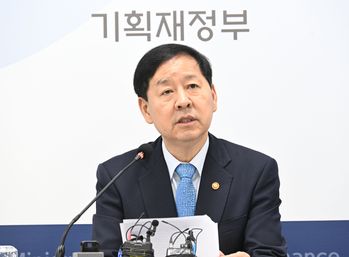
Finance Minister Koo Yun-cheol emphasized this during a press conference held at the government complex in Sejong. He stated that the NPS plays a critical role in the FX market as a single entity, and its financial performance is closely tied to the value of the won. This means that any sharp changes in the NPS’s overseas investments could significantly affect the stability of the FX market.
The Role of the National Pension Service
The NPS manages a vast amount of assets, with approximately 44% of its total portfolio—around 1,322 trillion won—allocated to foreign assets. This makes the fund one of the largest players in the FX market. Koo pointed out that the returns on these investments are measured in won, so maintaining stable FX conditions is crucial for the NPS’s profitability.
The formation of the new consultative body was aimed at evaluating how the NPS's growing overseas investments influence the FX market. It also seeks to improve coordination among key stakeholders, including the Ministry of Economy and Finance, the Ministry of Health and Welfare, the Bank of Korea, and the NPS itself.
Addressing FX Volatility
In recent weeks, the Korean won has experienced some weakening, reaching a high of 1,479.4 against the U.S. dollar on November 24. However, it has since strengthened slightly, trading in the 1,450 won range by Wednesday. Despite this improvement, the government remains vigilant about potential risks.
Koo reiterated that structural pressures in the foreign exchange market are making the won more sensitive compared to other currencies. To address this, the government is monitoring speculative activities and one-sided movements in the market. If FX volatility becomes excessive, the government has pledged to take firm action to stabilize the situation.
Long-Term Strategy for Stability
The establishment of the consultative body reflects a broader effort to ensure that the NPS can continue making stable pension payments without compromising its financial health. By maintaining a balanced approach to overseas investments, the government aims to prevent sudden shifts that could destabilize the FX market.
This initiative also highlights the interconnectedness of the economy, where the performance of major institutions like the NPS directly impacts the overall financial landscape. Through coordinated efforts and proactive measures, the government is working to safeguard both the stability of the won and the long-term security of the nation’s pension system.
Key Stakeholders Involved
- Ministry of Economy and Finance: Oversees economic policies and foreign exchange management.
- Ministry of Health and Welfare: Responsible for social welfare and pension-related policies.
- Bank of Korea: Manages monetary policy and interest rates.
- National Pension Service (NPS): One of the largest institutional investors in South Korea.
By fostering collaboration among these entities, the government is taking a comprehensive approach to managing FX market challenges and ensuring the sustainability of public pension funds.
Post a Comment