
The Future of an Alternative High School Hangs in the Balance
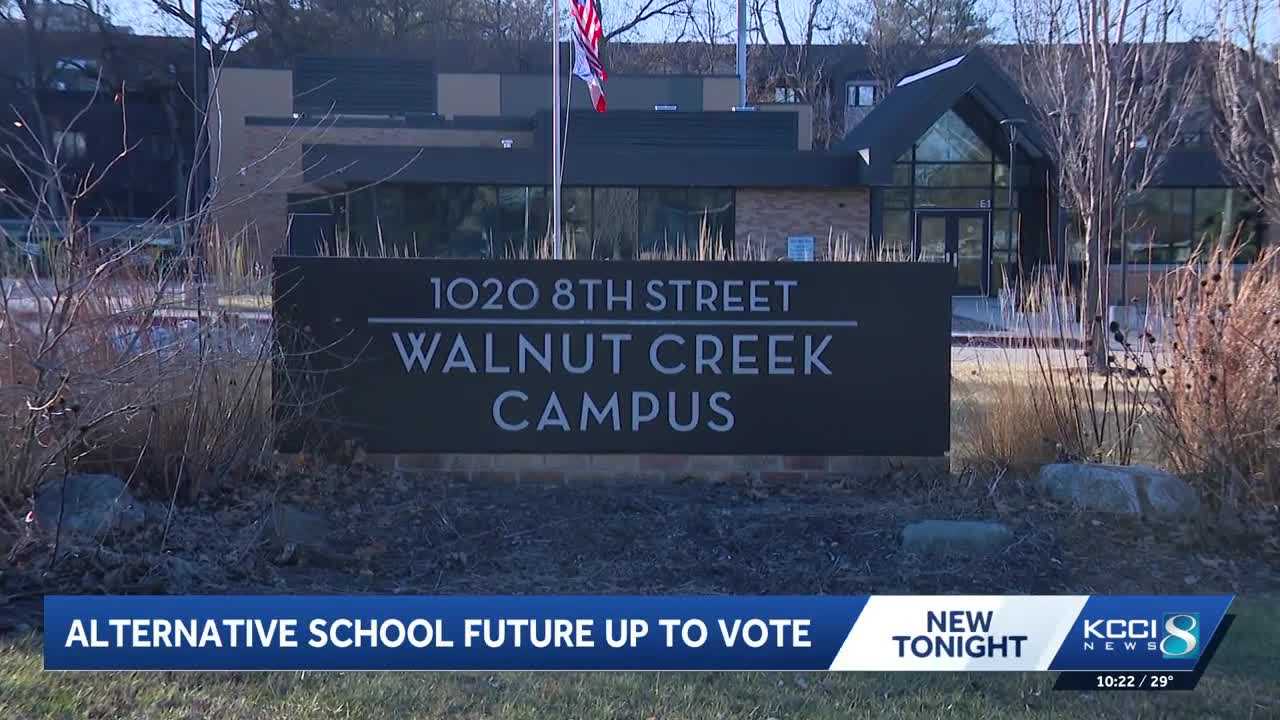
The future of an alternative high school that has served West Des Moines students for over three decades is now being decided by the school board. The West Des Moines Community Schools Board of Education is set to vote on a proposal that would close the Walnut Creek Campus at the end of this school year and replace it with a district-wide alternative education model.
This decision comes after a review of student attendance, academic performance, and graduation data. District leaders argue that the change is necessary to improve outcomes for at-risk students across all campuses. However, staff, parents, and students who support Walnut Creek believe the standalone school offers an experience that cannot be replicated elsewhere.
Why the District Wants to Close Walnut Creek
In November, the superintendent’s cabinet recommended closing the Walnut Creek Campus following a comprehensive analysis of student data. According to the district’s findings, students who attend Walnut Creek have higher rates of absenteeism and lower standardized test scores compared to their peers at other West Des Moines high schools. Graduation rates also show a significant difference, with Walnut Creek students graduating at about 83.6%, compared to 95.1% districtwide.
District leaders believe that integrating alternative education services into existing middle and high school campuses will better serve at-risk students. This approach includes a revised use of Modified Supplemental Amount (MSA) funding, which is designated for students at risk of not graduating. The plan involves investing more than $536,000 in early academic interventions, expanding counseling and behavioral support, and bringing back night school, which had previously been cut from Walnut Creek.
“We want to take some of the wonderful things that are happening at Walnut Creek with the smaller environment, the flexible pacing, and apply that to a different setting,” said Steven Schappaugh, executive director of secondary education.
Why Supporters Say Separation Is Critical
Longtime Walnut Creek staff members argue that the school’s success cannot be measured solely by data. Trish Kubicek, who has worked at Walnut Creek since 2005, believes the campus provides something many students cannot find in a traditional high school environment: smaller class sizes, flexible pacing, and a sense of belonging.
Kubicek is concerned that the new model would spread alternative education teachers across multiple campuses, limiting their ability to provide individualized instruction. She highlights the combined 256 years of experience among Walnut Creek staff as a resource that the district has not fully utilized in planning the overhaul of alternative education.
Concerns About Timing and Transparency
Supporters of the school have also criticized how the proposal was presented. Kubicek says staff were informed of the potential closure during a November meeting and were given little opportunity to provide input before the plan moved forward. She points out that when the audit was independently reviewed, the conclusions did not clearly match the data that was presented.
Some supporters have asked the district to pause the decision for a year to allow for more stakeholder involvement and to explore alternatives that keep Walnut Creek open while still expanding services elsewhere. An official plan to delay the vote has not been introduced, but school supporters have created an alternative MSA plan that would keep Walnut Creek open while still expanding districtwide supports.
The proposal argues that closing the campus does not result in meaningful cost savings and instead redirects at-risk funding away from a standalone alternative high school. It outlines a roughly $4.7 million MSA allocation that maintains about $1.8 million for Walnut Creek operations while funding counseling, early academic interventions, night school, and behavioral supports across the district.
What Happens Next
The school board meeting begins at 7 p.m. Monday. If the board approves the plan, the Walnut Creek Campus will close at the end of this school year, and the district will move forward with its new alternative education model starting next fall.
Parents, students, and staff members are expected to speak during public comment — one last chance to influence a decision that could permanently reshape alternative education in West Des Moines.
Post a Comment