
The Healing Power of Gardening in a Chaotic World
In a world filled with constant news cycles, social media updates, and daily stressors, it's easy to feel overwhelmed. “I heard the news today, oh boy.” While John Lennon’s words may have been written decades ago, they still resonate today. Recently, I found myself in a waiting room with a large television, broadcasting the latest headlines. The relentless urgency of the news was almost suffocating. It made me realize how much of our lives are consumed by external pressures—our phones, our feeds, our families, and our finances.
But there is an escape. A way to lower heart rates, reduce stress, and boost mental well-being. It’s called gardening. Whether you have a sprawling backyard or a small balcony, gardening offers a sanctuary from the chaos. Here are 13 practical gardening tasks that can help release stress while nurturing your garden.
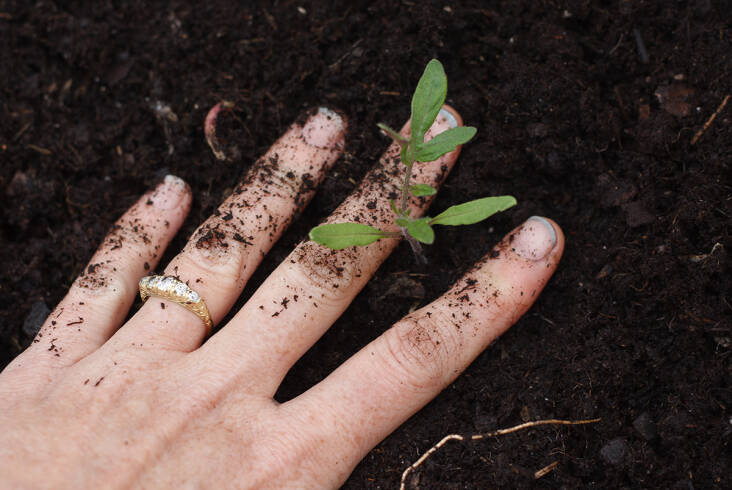
1. Touch the Soil
One of the simplest yet most powerful acts of gardening is touching the soil. In 2007, Dr. Chris Lowery from Bristol University published research linking a soil-dwelling bacterium, Mycobacterium vaccae, to increased serotonin production. This discovery highlights the connection between soil and mental health. The same bacterium was studied by Dr. Mary O’Brien in 2004, who noted improved outcomes in her patients after treatment. Simply digging into the earth connects us with a diverse microbial life that can enhance our immune system and overall well-being.
2. Grow a Plant from Seed
Sowing seeds is a magical experience. Watching a plant emerge from bare soil brings a sense of contentment and joy. Whether it's cilantro, beans, or Malabar spinach, each plant has its own unique journey. Over time, these plants become part of a thriving ecosystem, attracting bees, hummingbirds, and other wildlife.
3. Cultivate Food
Growing food, even in a small container, connects us to the broader food system. It reminds us of what plants need to thrive and helps us understand the effort behind every meal. This connection fosters a deeper appreciation for the food we eat and the environment we live in.
4. Thin Seedlings
When seedlings grow too close together, they compete for resources. Thinning them out when they're about an inch to two inches tall ensures stronger, more resilient plants. This quiet task also reduces stress and promotes better airflow. If you feel bad about thinning, consider using the extra plants in your next meal.
5. Do the “Chelsea Chop”
The Chelsea chop is a technique used to encourage more blooms on flowering perennials. By cutting back one-third to half of the green growth about four to six weeks before blooming, you create stouter stems and more flowers. This method works best on plants like yarrow, asters, and echinacea. It requires a bit of finesse, especially in smaller gardens.
6. Pinch Away
Pinching out the newest growth at the tip of a flowering stem is a gentler alternative to the Chelsea chop. This technique encourages bushier growth and releases the scent of herbs like mint and basil. It’s a calm, meditative task that rewards both the gardener and the plants.
7. Hand Water
Watering plants by hand is a contemplative act that fosters a deep connection with the living things around you. Observing your plants as they drink and grow creates a sense of accomplishment and purpose. Paying attention to your garden is just as important as taking action based on what you observe.
8. Sweep Paths
Keeping garden paths clean is a simple yet satisfying task. Sweeping a gravel path or maintaining a brick walkway can be a meditative activity. It not only enhances the beauty of your garden but also provides a sense of clarity and focus.
9. Deadhead
Deadheading spent flowers encourages more blooms and keeps your garden looking fresh. However, it’s important to stop deadheading in late autumn to allow some seed heads to provide food for birds.
10. Clean (or Create) a Birdbath
A birdbath is a beautiful addition to any garden. Keeping it clean ensures that birds have access to fresh water. Caring for your local environment gives a sense of contribution and control, while learning to identify birds can improve cognitive function.
11. Smell the Flowers and Herbs
Gardening is not just about visual appeal—it’s also about the senses. Scented flowers and herbs like roses, mint, and basil offer a powerful olfactory experience. Their fragrances can clear the mind and uplift the spirit.
12. Bring Flowers and Foliage Indoors
Bringing fresh flowers and foliage indoors adds a touch of nature to your home. It creates a calming atmosphere and makes your space feel welcoming.
13. Harvest Your Crop
Harvesting your crops is the ultimate reward. Whether it's a salad from your windowbox greens or a ripe tomato, the satisfaction of growing and eating your own food is immeasurable.
Gardening may not change the world, but it can transform how we cope with it. Engaging with the growing world allows us to shape our immediate environment and create a better future for all.
Post a Comment