
The Newark City Council has denied a property owner's request to rezone an area where he has hosted concerts and plans to develop an entertainment venue, leading him to pursue legal action. Devon White operates Roost on the River Music Centre at 15 Vogel St. and applied to rezone 24 acres from a conservation district to church, school, and institutional zoning. His proposal included an event center, citing the "ability to hold concerts with camping."
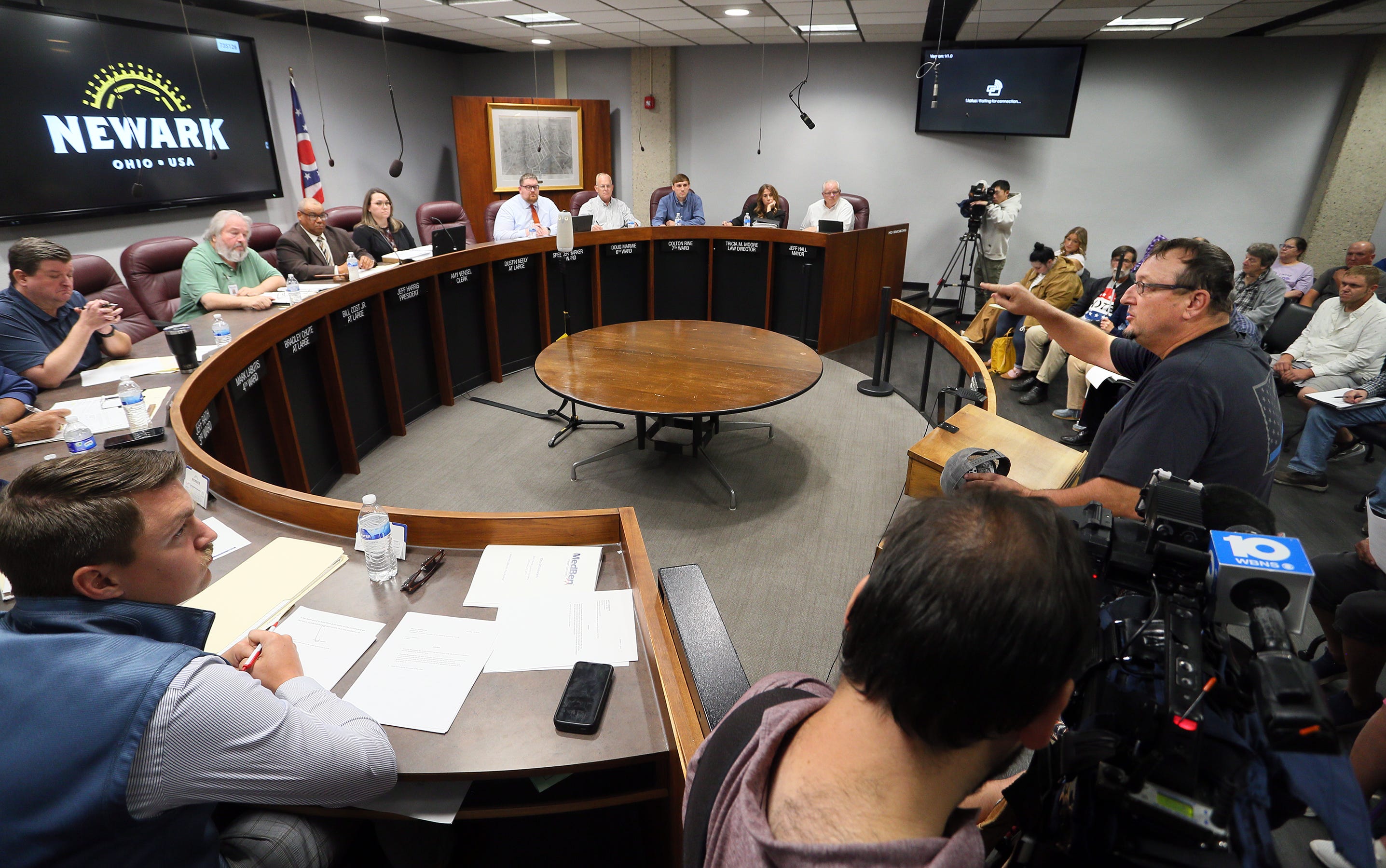
The Newark Planning Commission recommended denying the request after hearing concerns from nearby residents during a previous meeting. Issues raised included noise, spot zoning, and light pollution. On October 6, the City Council unanimously denied the zoning change. Council member Jeff Rath, R-3rd Ward, encouraged other members to do so based on the Planning Commission’s recommendation.
“I wasn’t surprised one bit,” White said of the Council’s decision to deny the change. He believes some Council members and residents oppose his venue partly due to the noise it generates. White has hosted seven concerts at Roost on the River since 2018 and planned to host five to seven annually if the city approved his request.
The Board of Zoning Appeals, mediating between White, the city, and nearby residents, heard these concerns during a July meeting while some of White’s supporters debated what constitutes recreation. “There was a room full of people who live next to and within earshot of the property, and they clearly felt their lives had been negatively impacted by what was going on there,” said Board Chair Steve Layman.
White received a letter in June from George Carter, the city’s zoning inspector, stating that he was violating the zoning code and recommending that he apply for a rezoning. During the July meeting, Carter’s office determined that an outdoor music venue isn’t a permitted use in conservation district zoning.
White later appealed to the Board of Zoning against the office’s ruling that a music venue is not recreation. The zoning code permits public or private recreational facilities, such as baseball fields, pools, and parks, among other similar uses, under that zoning type. Music or entertainment aren’t listed under permitted uses in conservation district, according to the code, but White insists his venue qualifies under “other similar uses.”
The board upheld Carter’s ruling but granted White some conditions — he could use the venue for the rest of 2025 but must stop playing music after 10 p.m., and the board retains the ability to revoke that permission if police found that White’s venue violated the noise ordinance twice during one concert.
The board expected White to apply for the rezoning and wanted to give him time to do so, hence its decision to grant the conditions, Layman said. The board also understood how much money White invested into the venue, Layman said.
“We’re mindful of that, and they have some certain expectations we gave them,” Layman said.
City law sets a decibel limit of 60 for entertainment venues from 7 a.m. to 10 p.m. Sundays through Thursdays and 7 a.m. to 11 p.m. Fridays and Saturdays. Some residents complained about Roost on the River’s noise levels after its first concert in 2018 and again in 2019. Those complaints persisted in 2024, two years after the city updated the noise ordinance.
“We are very, very adamant about keeping under the noise ordinance and doing everything properly,” White said. “We have professional EMTs, trash crews, security — it’s all run professionally.”
In August, White filed an appeal in Licking County Common Pleas Court over the board’s ruling, court records show. The city submitted its notice of compliance in September, attaching documents from the board’s July meeting in which it heard White’s appeal.
“They could have handled this in a totally different way,” White said.
White estimates financial losses after promoters pull out of shows
Promoters began pulling performers out of Roost on the River’s upcoming shows around when the board gave White the 10 p.m. curfew. Many of them switched venues and are booking other locations for next year, he said.
White is unclear if he’ll be able to book any shows for next year, in part because of how long it takes to plan them and uncertainty of his legal appeal. He planned to host other events at the venue, such as car shows, flea markets, and campouts.
White estimates he’s lost around $100,000 after investing in a new stage and losing the promoters. He says he and a former city safety director had a handshake agreement about him being able to host concerts but that city staff have changed their tune in recent years.
The shows would have happened during five weeks each summer, or 21 total days, White said.
Post a Comment