
Background of the Incident
A man from Washington, D.C., named Sam O'Hara, has filed a lawsuit against the Ohio National Guard and the District of Columbia. This legal action comes after he was detained for playing the "Imperial March" from Star Wars while following National Guard members in September. The incident is part of a series of demonstrations that O'Hara conducted to protest the presence of the National Guard in the city.
O'Hara, who is 35 years old, began his protests in early August. He played the iconic theme song on multiple occasions, each time capturing the moment and sharing it with millions on social media. The specific incident that led to his detention occurred on September 11. According to court documents filed by the American Civil Liberties Union (ACLU) on his behalf, this was the only time he was physically restrained for his actions.
Details of the Detention
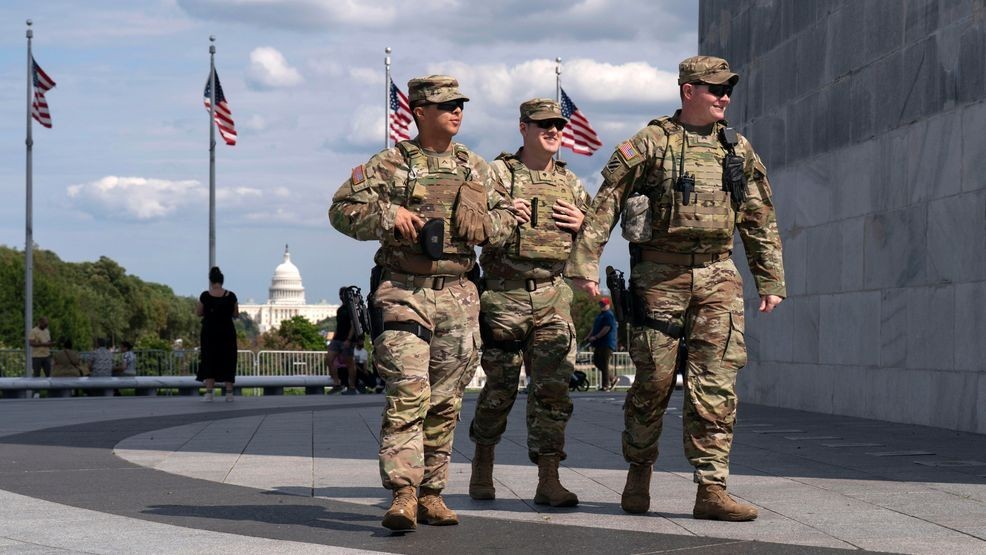
On the day of the incident, O'Hara was returning home from work when he encountered four National Guard members wearing the "Ohio National Guard" insignia on their uniforms along 14th and R Streets, Northwest. Like previous instances, he began to follow the Guardsmen while playing the song and recording it. His lawyers stated that he remained several feet away, did not engage in any conversation with them, and played the music at a loud but not blaring level.
The situation escalated when a National Guard Sergeant turned to O'Hara and warned him about continuing to follow them. The sergeant allegedly said, "Hey man, if you're going to keep following us, we can contact Metro[politan] PD and they can come handle you if that's what you want to do. Is that what you want to do?" According to the court filing, the sergeant then called the police after O'Hara did not respond.
Legal Claims and Allegations
After several officers arrived, O'Hara informed them that he was engaged in a protest. However, an officer reportedly told him, "That's not a protest. You better define protest. This isn't a protest. You are not protesting." The officers then proceeded to handcuff O'Hara, claiming he was detained for harassing the National Guard.
The ACLU's legal team argues that O'Hara's First and Fourth Amendment rights were violated during this incident. They claim that the actions taken by the National Guard Sergeant and the subsequent involvement of the police were unwarranted and excessive. The lawsuit also includes several other charges related to the manner in which O'Hara was treated during his detention.
Public Reaction and Social Media Impact
O'Hara's actions have drawn significant attention, particularly due to the viral nature of the videos he shared on social media. These videos have sparked discussions about the boundaries of free speech and the appropriate response to public demonstrations. Many people have expressed support for O'Hara, arguing that his actions were a form of peaceful protest and that his rights were infringed upon.
The case highlights the complex relationship between public demonstrations and law enforcement. It raises important questions about the limits of free expression and the responsibilities of both protesters and authorities. As the legal proceedings unfold, the outcome could set a precedent for similar cases in the future.
Conclusion
This incident underscores the ongoing debate about the balance between free speech and public order. O'Hara's lawsuit seeks to address the alleged violations of his constitutional rights and to hold those responsible accountable. As the case moves forward, it will be closely watched by legal experts, civil rights advocates, and the general public. The resolution of this matter could have far-reaching implications for how similar situations are handled in the future.
Post a Comment