
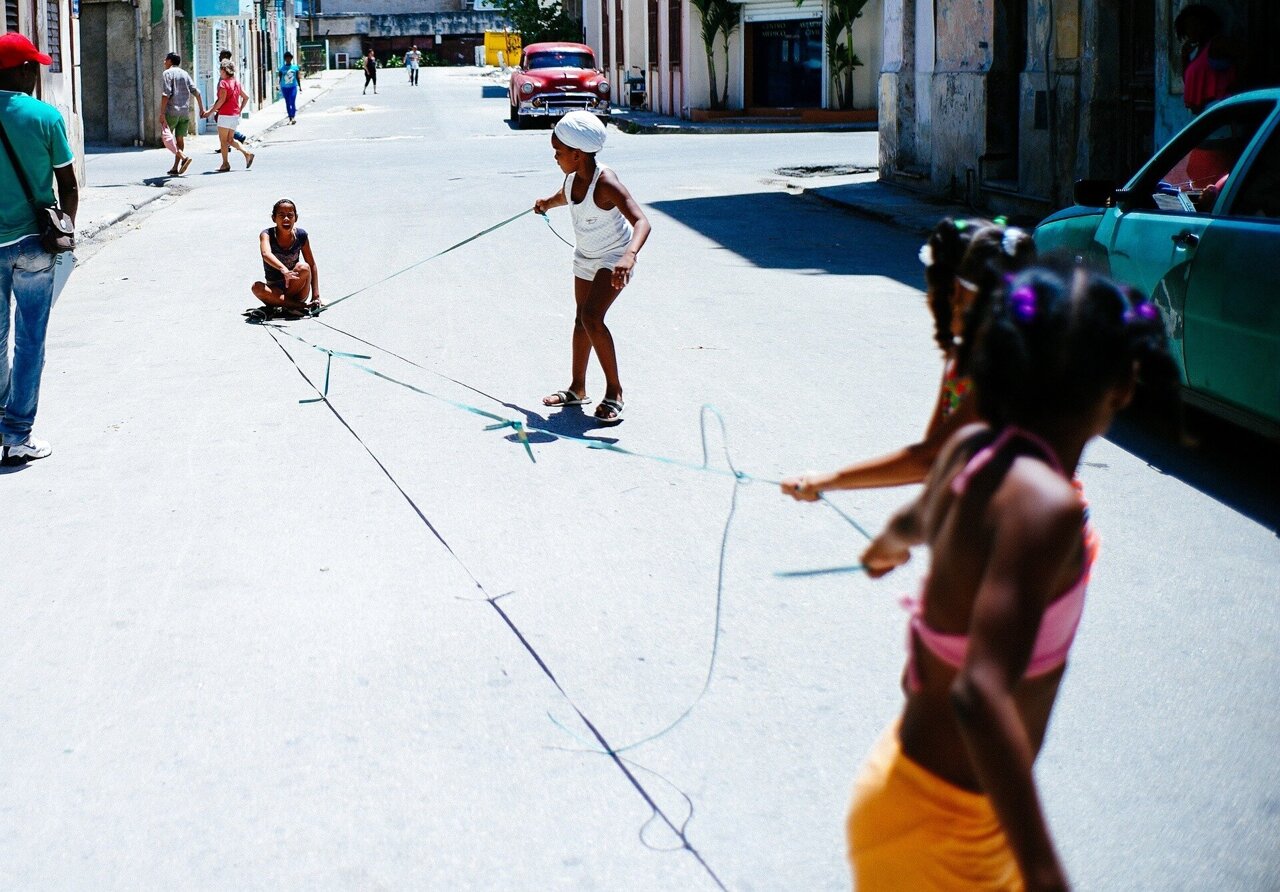
The Debate Over Children's Right to Play
In July 2025, a letter from an English city council neighborhood services officer circulated on social media. It addressed concerns about young children playing ball games on main roads and streets. The letter stated that such activities could damage vehicles and property and urged parents to prevent their children from engaging in these games. It emphasized the importance of using local parks for safe play, suggesting that children should be taken to designated spaces rather than being allowed to play freely in their neighborhoods.
This letter highlights a long-standing debate about children's right to play and their right to the street. It overlooks the fact that cars have encroached onto streets, which were once considered social spaces. In recent decades, drivers have increasingly been seen as the primary or only legitimate users of street space. The letter assumes that children should be "taken" to designated play areas, rather than allowing them to access playable spaces independently. Furthermore, it fails to recognize that parks and green spaces offer only specific types of play, while children require diverse spaces for various forms of play beyond ball games, swings, and slides.
Complaints like these have existed for over 100 years, dating back to 19th-century and early 20th-century campaigns that sought to remove children's play from streets. They reflect an ongoing question: whether children should only play in designated, often green, spaces or if they should be able to play throughout their neighborhoods, in "gray spaces" such as streets, car parks, back alleys, and pavements.
Understanding Gray Spaces
The concept of gray spaces, developed in the context of skateboarding research, conveys both the colors of the urban environment and the ambivalence and liminality of urban space. My research into both play streets and the wider geographies of neighborhood play seeks to highlight the particular value of gray space for children's play. I argue for play in gray space, despite the persistent promotion of green space.
Streets and other "gray" spaces, such as car parks, pavements, and back alleys, have historically been where children predominantly played, both before and after the emergence of playgrounds. These are also the spaces in which children choose to play when the conditions are right. These spaces remain most accessible for children in all sorts of diverse places across the world, especially for those living in neighborhoods facing intersecting disadvantage, such as poverty, racism, and environmental injustice.
Benefits of Play in Gray Spaces
My research has highlighted several valuable features of play in gray space. When playable gray spaces are located near to children's homes, they can come and go more easily. They can bring indoor toys and other play equipment into their outdoor play. It allows for distanced supervision by adults and gives opportunities to make the most of small bits of time—between chores, homework, and scheduled commitments.
Play in gray spaces on streets and in neighborhoods allows children to build friendships and other relationships with neighbors of all ages. Neighborhood play can create spaces of care, offering children and their families a sense of belonging and familiarity on their doorsteps.
The form of gray spaces—slopes, curbs, campers, walls, potholes, lampposts, weeds, puddles, fences, plants, bumps, and surfaces—offers hugely varied play environments. It often offers more than designated play spaces, indoor or outdoor.
The Significance of Urban Play
Through playing in these urban gray spaces, children enact their right to play and their right to the city. This play has the potential to reinforce their connection to their neighborhoods, their sense that they belong and have the right to use the spaces on their doorsteps.
Children's play also animates gray spaces. It brings both literal color, through toys, chalking, and colorful bodies, but also life, emotion, and engagement. The possibility of—and challenges associated with—play in gray space can open up wider local conversations about inequalities of access to doorstep space, highlighting questions of social, spatial, and environmental justice.
If we fail to value and enable play in gray spaces, we are ignoring—and devaluing—spaces that afford not only diverse and accessible play opportunities, but also the potential for valuable spaces of connection and care. The singular valuing of green space for children's play rests on particular ideas of children, childhood, and play. It shifts political and financial attention away from the everyday spaces of urban play.
Post a Comment