
A New Era for OpenAI's Scientific Pursuits
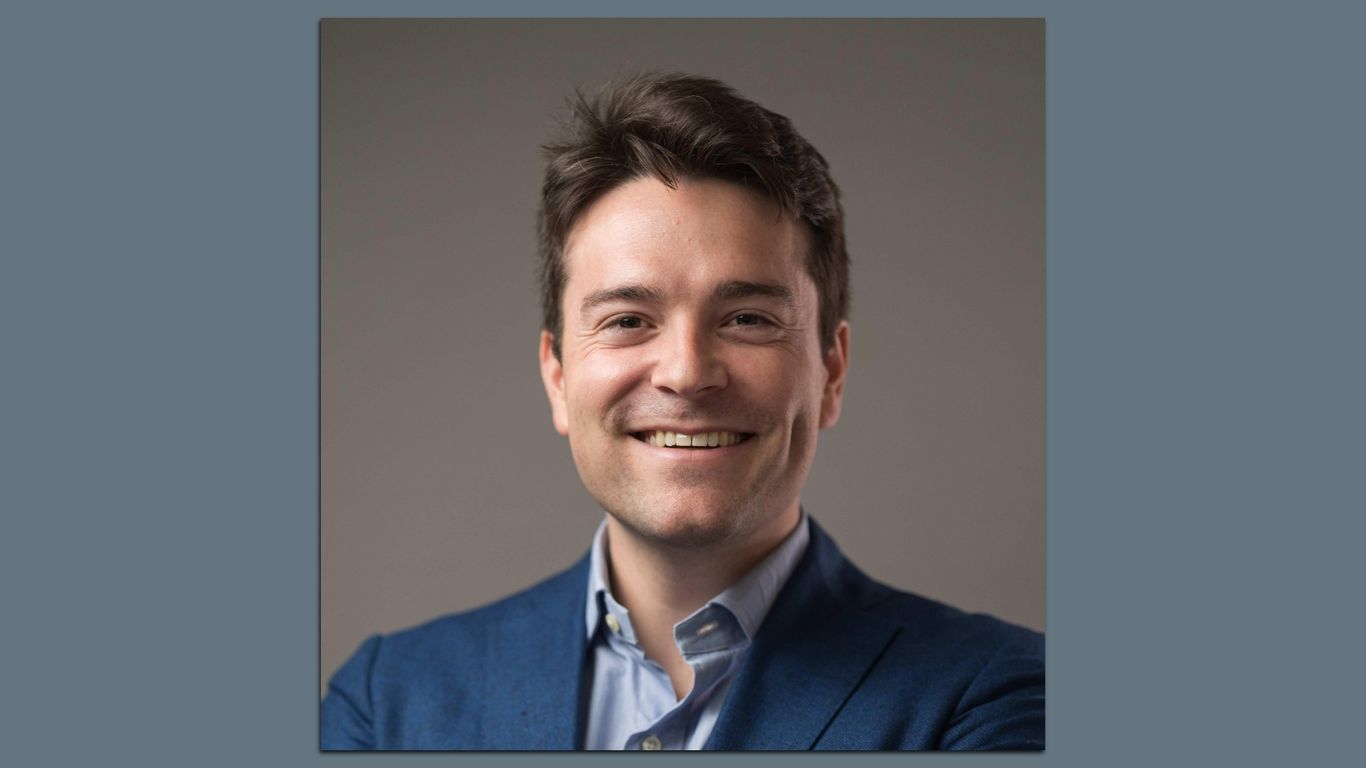
Alex Lupsasca, a prize-winning theoretical physicist known for his groundbreaking work on black holes, has recently joined OpenAI’s newly formed science team. This development marks a significant step in the company's ongoing efforts to expand its influence beyond artificial intelligence applications and into the realm of scientific research.
Lupsasca is the first individual to be recruited under OpenAI’s Science initiative, which is spearheaded by Kevin Weil. Despite his new role at OpenAI, Lupsasca will continue to hold his position as a professor at Vanderbilt University. His dual appointment underscores the growing intersection between AI research and academic exploration.
Expanding the Boundaries of AI in Science
OpenAI's decision to bring on Lupsasca signals a broader strategy to enhance its scientific credibility. The company, widely recognized for its popular chatbot and AI video app, is now aiming to establish itself as a serious player in the field of scientific discovery. This move aligns with OpenAI’s existing initiatives that use its AI models to address complex scientific challenges, particularly in mathematics and physics.
Lupsasca's expertise in theoretical physics will play a crucial role in shaping OpenAI's research direction. He will also guide how advanced AI models can tackle intricate, multi-step scientific reasoning tasks. Additionally, he will work closely with the academic community to foster collaboration and innovation.
Competing in the Scientific Landscape
The landscape of AI-driven scientific research is becoming increasingly competitive. Google DeepMind's AlphaFold has already made waves by revolutionizing protein structure prediction. Recently, DeepMind announced a partnership aimed at accelerating fusion science. Meanwhile, Anthropic has launched its own science initiative, offering free API credits to researchers to support their work.
OpenAI is not standing still. In the past year, the company has announced partnerships in physics and biology with the U.S. National Labs and collaborated with Retro Biosciences to develop a specialized GPT model for protein engineering. These efforts highlight OpenAI's commitment to leveraging AI for scientific advancement.
Insights from Industry Leaders
Lupsasca shared his perspective on the potential of AI in scientific research. He noted, "I used to believe that it would take a long time before AI could meaningfully contribute at the research frontier." However, he is now seeing a shift, as demonstrated by the capabilities of GPT-5. According to Lupsasca, GPT-5 can tackle astrophysics problems that would take talented graduate students days to approximate.
Kevin Weil, OpenAI's VP of Science, emphasized the current capabilities of AI models. He stated that GPT-5 can already perform "limited novel scientific research." However, Weil also highlighted the rapid pace of AI development, saying, "But remember: the AI model you're using today is the worst AI model you'll ever use for the rest of your life." He expressed excitement about the future developments that are on the horizon.
The Future of OpenAI
As OpenAI continues to evolve, it is clear that the company is positioning itself as an all-encompassing entity in the AI space. From social video to shopping to hard science, OpenAI is striving to maintain its leadership in various aspects of daily life. This strategic shift reflects a broader vision of integrating AI into every facet of human activity.
By investing in scientific research and fostering collaborations with academia, OpenAI is not only enhancing its technological prowess but also building a reputation as a forward-thinking organization. The addition of Lupsasca to its science team is a testament to this ambition, signaling a new chapter in OpenAI's journey.
Post a Comment