
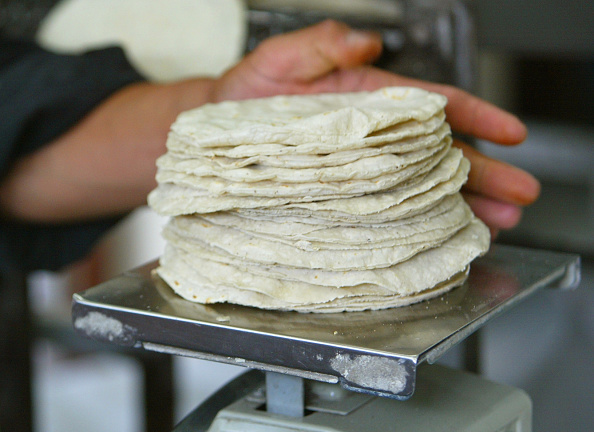
The Struggle of Tortilla Manufacturers in Tijuana
Tortilla manufacturers in Tijuana are facing a significant decline in sales, despite maintaining the same prices for over three years. This situation has left many business owners concerned about their sustainability and future. Cecilia Ruiz, a local tortilla maker and seller, shared her experiences with El Sol Newspaper, highlighting that her sales have dropped by nearly 50%. She mentioned that clients such as restaurants and taco stands are placing smaller orders, which is causing financial strain.
“Clients are ordering less,” Ruiz said. “We had one client who would ask for 100 kilos daily, now he’s only asking for half as much. This is getting ugly.”
In addition to the drop in sales, there have been incidents that have drawn attention to the industry. A man was hospitalized after his arm got stuck in a tortilla machine, according to SDFD reports. This incident underscores the potential dangers associated with the machinery used in the production process.
High Costs and Transportation Challenges
According to Baja California’s Consumer division, the average price for tortillas in the state is 28 pesos per kilo, or approximately $1.50, making it the highest in Mexico. Ruiz attributes this high cost to the transportation of corn from other parts of the country, which increases expenses due to fuel costs and logistics.
Another vendor, Geovana Vázquez, has also felt the impact of the declining sales. She mentioned that they have had to reduce staff and limit workdays for employees.
“Sales are really low, the government is offering no support,” Vázquez said. “If they could help in lowering the cost of corn, that would cut our expenses, but nothing is getting done.”
Government Regulation and Consumer Trends
Tortillas are considered a staple in Mexican cuisine, and their price is regulated by the government. However, so far, there has been no indication that the government is willing to offer subsidies to lower the cost of corn or provide support to tortilla manufacturers.
Years of drought conditions in Mexico have also affected corn crops, leading to higher prices. Despite these challenges, Ruiz emphasized that they have not increased their prices in three years, as the government controls the pricing.
“We haven’t raised our prices in three years, it’s not up to us, the government controls the price. I just don’t understand why people aren’t buying as many tortillas as they used to.”
Changing Consumer Habits
According to Baja’s Consumer Division, consumer trends have evolved in recent years, with people changing their eating habits and consuming less processed food, including tortillas. This shift in preferences has further contributed to the decline in sales for tortilla manufacturers.
The combination of rising costs, reduced demand, and limited government support has created a challenging environment for those in the tortilla industry. As the situation continues to unfold, it remains to be seen how these businesses will adapt and survive in the face of these ongoing challenges.
Post a Comment