
The Threat to America’s Scientific Leadership
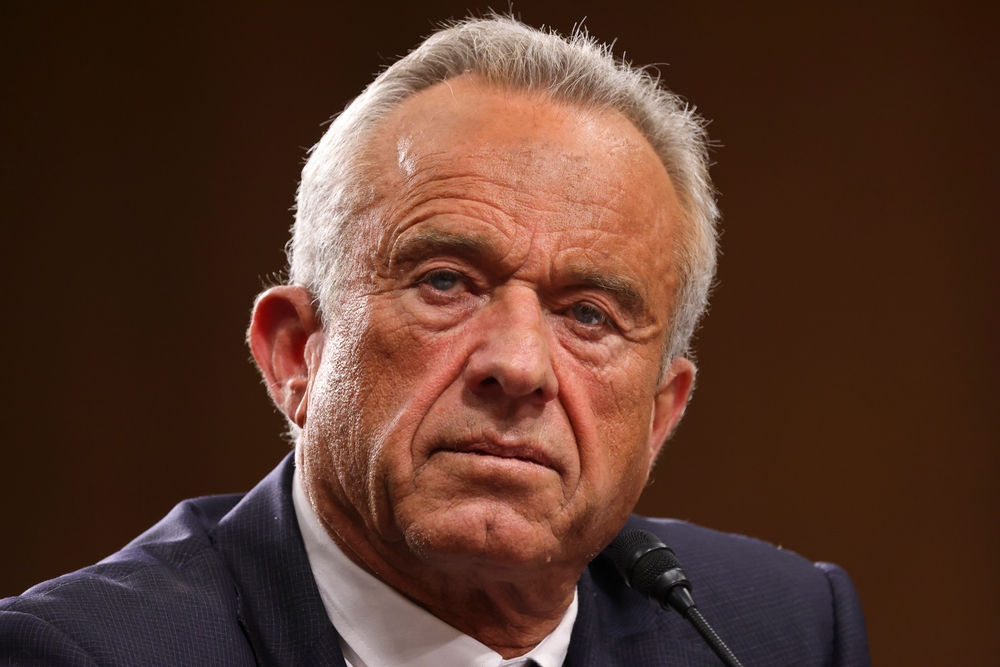
Robert F. Kennedy Jr.’s anti-vaccine agenda poses a significant threat to America’s position as a global leader in scientific research and innovation. His policies, fueled by conspiracy theories, are not only endangering public health but also undermining the United States’ influence on the world stage. This shift could potentially give China a decisive advantage in health research, technological advancements, and soft power.
The U.S. has long been the premier destination for scientific talent, with its robust research infrastructure and commitment to innovation. However, RFK Jr.’s populist approach is beginning to erode this foundation. His opposition to vaccines and support for unscientific claims risk damaging the country’s reputation as a trusted source of medical knowledge.
A Global Hero in American Research
One example of the U.S.’s scientific leadership is the work of Katalin Karikó, a Hungarian scientist who played a pivotal role in the development of mRNA vaccines. Her groundbreaking research was conducted in American laboratories and was instrumental in ending the COVID-19 pandemic. While her native Hungary celebrated her Nobel Prize win in 2023, it was the U.S. that provided the environment where her discoveries could flourish.
This kind of international collaboration highlights the importance of the U.S. as a hub for scientific progress. It is not just about national pride; it’s about the collective advancement of human health and well-being.
America’s Dominance in Health Science
The United States holds an unmatched position in health science. It leads the world in clinical trials, research output, and the number of top-tier hospitals. In fact, nine out of every ten of the world’s best research hospitals are located in the U.S. This dominance has far-reaching implications for the economy and the nation’s global image.
America’s contributions to solving health crises have significantly enhanced its soft power. When the U.S. steps up during a global health emergency, it reinforces its role as a leader and a reliable partner.
The Impact of Populist Policies
RFK Jr.’s anti-vaccine stance threatens children’s health and undermines the credibility of scientific institutions. His actions, such as removing experts from advisory committees and promoting unproven theories, weaken the U.S.’s standing as a scientific leader. This erosion of trust can lead to a brain drain, where talented scientists may choose to work elsewhere, including in countries like China.
China is already making strides in scientific research and is actively working to surpass the U.S. in health science. With more than two-thirds of Nobel laureates having lived and worked in the U.S., the country has historically attracted the best minds. However, if the current trend continues, this may change.
China’s Growing Influence
China is not only leading in overall scientific research but is also making significant moves in health science. Eight of the top 10 rising research hospitals are Chinese, and the country is increasing its soft power at an alarming rate. Unlike the U.S., which relies heavily on private sector funding, China’s government is investing more in research and development than the U.S.
This growing investment could shift the balance of power in the coming years. If the U.S. fails to maintain its scientific leadership, it risks losing its competitive edge in critical areas like vaccine development and medical innovation.
The Need for Responsible Policy
Science should remain free from political manipulation. The U.S. must restore its credibility in health science by ensuring that policies are based on evidence and expert guidance. Funding for critical research, such as mRNA vaccines, must be stable and consistent. Sudden cuts in government support could have long-term consequences, especially when private funding is not a guaranteed substitute.
Maintaining a strong scientific foundation is essential for the U.S. to retain its global influence. Without it, the country risks becoming a secondary player in the race for scientific supremacy.
A Call for Reasoned Leadership
The author, Máté Hajba, emphasizes the need for a more reasoned and responsible approach to health policy. He argues that the U.S. must prioritize scientific integrity and consider the long-term implications of its decisions. If populist agendas continue to dominate, the U.S. could lose not only its scientific leadership but also the trust of the global community.
In the future, scientists from Hungary and other nations may find more opportunities in China rather than the U.S. This outcome would be a loss for both the U.S. and the global scientific community.
Post a Comment