
The Enchanting Bloom of Nelu in Sri Lanka’s Highlands
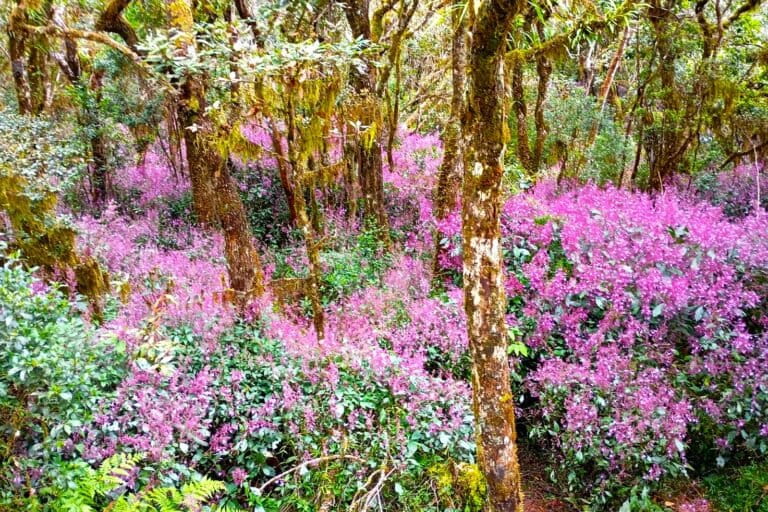
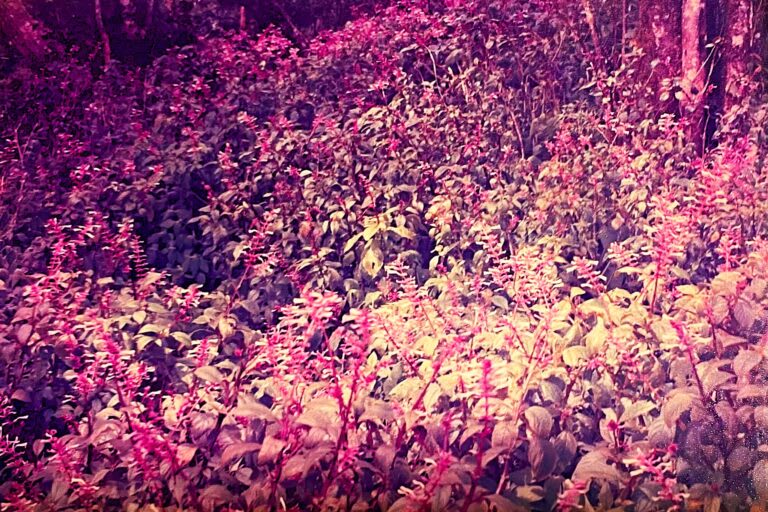
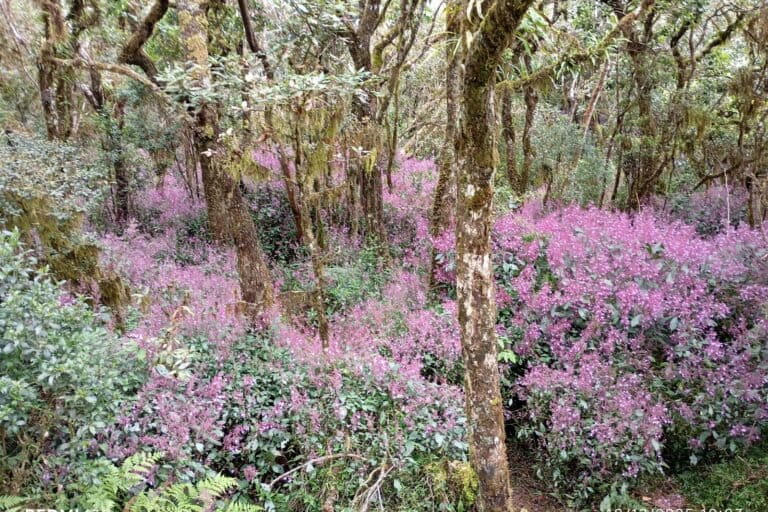
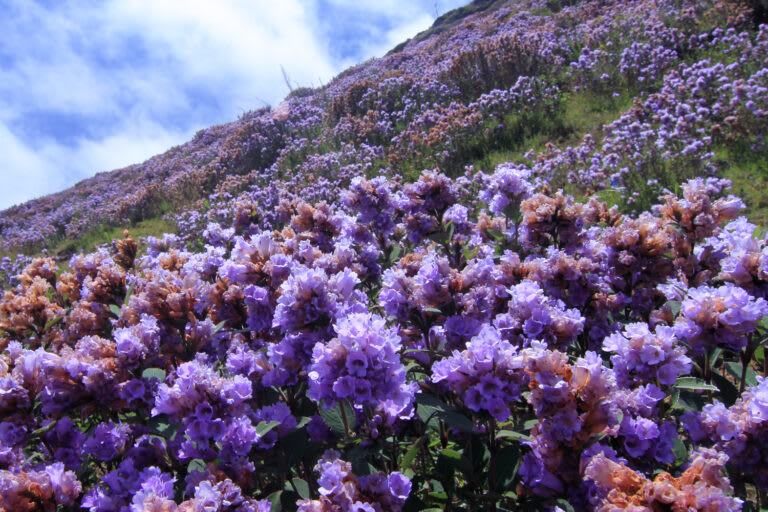
Sri Lanka's mist-shrouded highlands are known for their breathtaking natural beauty, and one of the most captivating phenomena is the mass flowering of nelu. These native shrubs, belonging to the genus Strobilanthes, create a stunning display of violet, pink, and white blooms that cover the grasslands of the Horton Plains and other hill country trails. This rare event occurs every 4-12 years, drawing thousands of visitors eager to witness nature's spectacular show.
The blooming of Strobilanthes is not just a visual marvel; it also holds deep scientific significance. These plants are monocarpic, meaning they flower once, set seed, and then die. The synchronization of their blooming is a mystery that continues to intrigue scientists. It is believed that this phenomenon evolved as an ecological advantage, allowing the plants to overwhelm seed predators by producing vast quantities of seeds all at once. This strategy increases the chances of some seeds surviving and propagating the species.
What is Nelu?
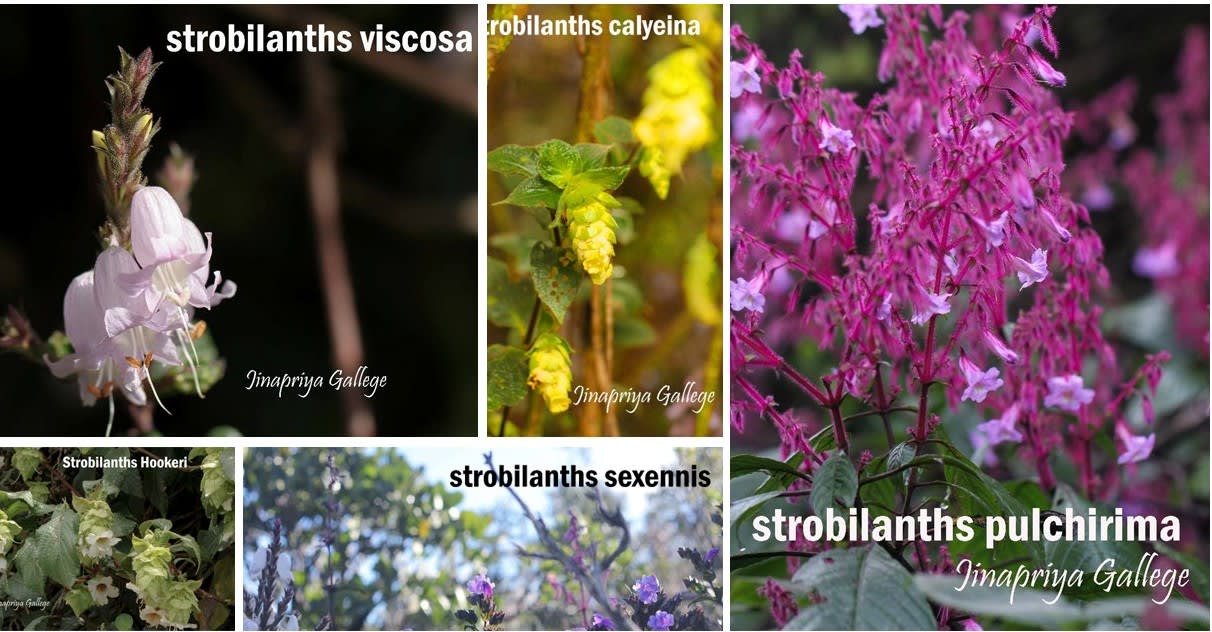
Nelu is not a single species but a group of shrubs within the Strobilanthes genus, part of the Acanthaceae family. Sri Lanka is home to 35 Strobilanthes species, with 30 being endemic to the country. Many of these species are found exclusively in the Central Highlands. Different hill country patches host different blooms, with species such as S. pulcherrima, S. viscosa, and S. anceps contributing to the vibrant floral mosaic. These plants are adapted to the cool, misty conditions of Sri Lanka’s montane forests and grasslands, making the plateau a vital stronghold for their diversity.
The Once-in-a-Dozen-Years Mystery
The synchronized blooming of Strobilanthes is a remarkable natural event. Scientists believe that this phenomenon is driven by a combination of genetic "clocks" and environmental cues. However, the exact trigger remains uncertain. Researchers suspect that climate change could disrupt these delicate cues, potentially affecting the timing and success of future blooms.
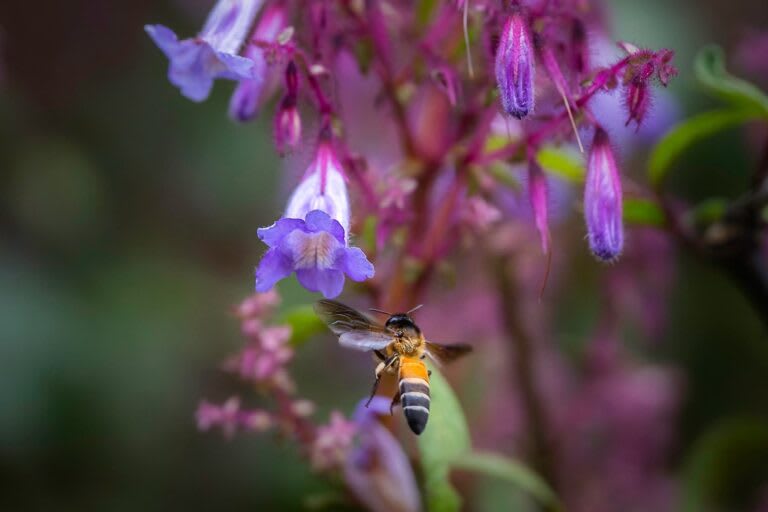
The mass flowering also plays a crucial role in attracting pollinators. One notable example is the giant honeybee (Apis dorsata), which undertakes an annual migration from coastal Sri Lanka to the hill country. Their arrival coincides with the nelu bloom, creating a fascinating ecological interaction. During the bloom, these bees feast on nectar, and after the season ends, they return to the coast around October-November.
A Pattern Rooted in History
The nelu bloom has been documented for over a century. British planter and naturalist Thomas Farr first recorded the phenomenon in 1881, 1893, and 1905, correctly predicting the next bloom in 1917. Records show major nelu blooms at Horton Plains in the early 2000s and again around 2012-13. Botanists have predicted the next bloom for 2024-25, and their forecasts have proven accurate. However, not all populations bloom simultaneously, as some species or patches flower earlier or later depending on microclimate or genetics.
A Rodent Named After the Flower
Horton Plains is also home to the nelu rat, or Sri Lankan mountain rat (Rattus montanus). Endemic to the island’s highlands, it was first discovered by naturalist W.W.A. Phillips during the 1923 nelu bloom. Phillips observed the rats feeding on the plants’ seeds and noted the narcotic effect of the ripening seeds. This unique relationship between the plant and the rodent highlights the complex web of life in the highlands.
When Hills Turn Violet — and Crowded
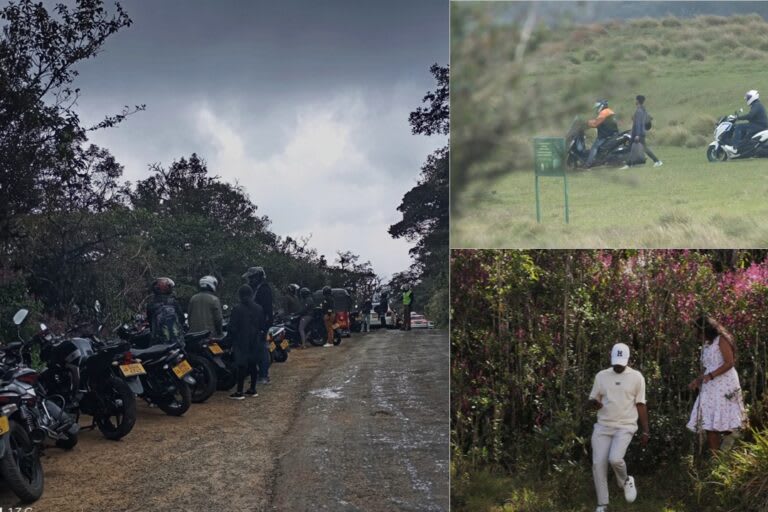
A nelu bloom doesn’t just attract pollinators — it attracts people. During bloom years, visitor numbers to Horton Plains soar as hikers and photographers flood the trails to capture the violet vistas. This surge brings risks: trampling fragile shrubs, compacting soil, disturbing ground-nesting birds, and littering. Some visitors even pluck flowers to take home. Park warden Sisira Rathnayake emphasizes the importance of staying on designated trails to protect the ecosystem.
Threat of Invasive Species
As the nelu flowers fade and die, conservationists fear what might take their place. Several invasive plants have already gained ground in Horton Plains, including Ageratina riparia (mistflower) and Aristea ecklonii (blue stars). These species compete with endemic flora, potentially threatening the richness of future nelu blooms. Monitoring will be crucial in the coming months to ensure the survival of these native plants.
A Global Rhythm of Flowering Marvels
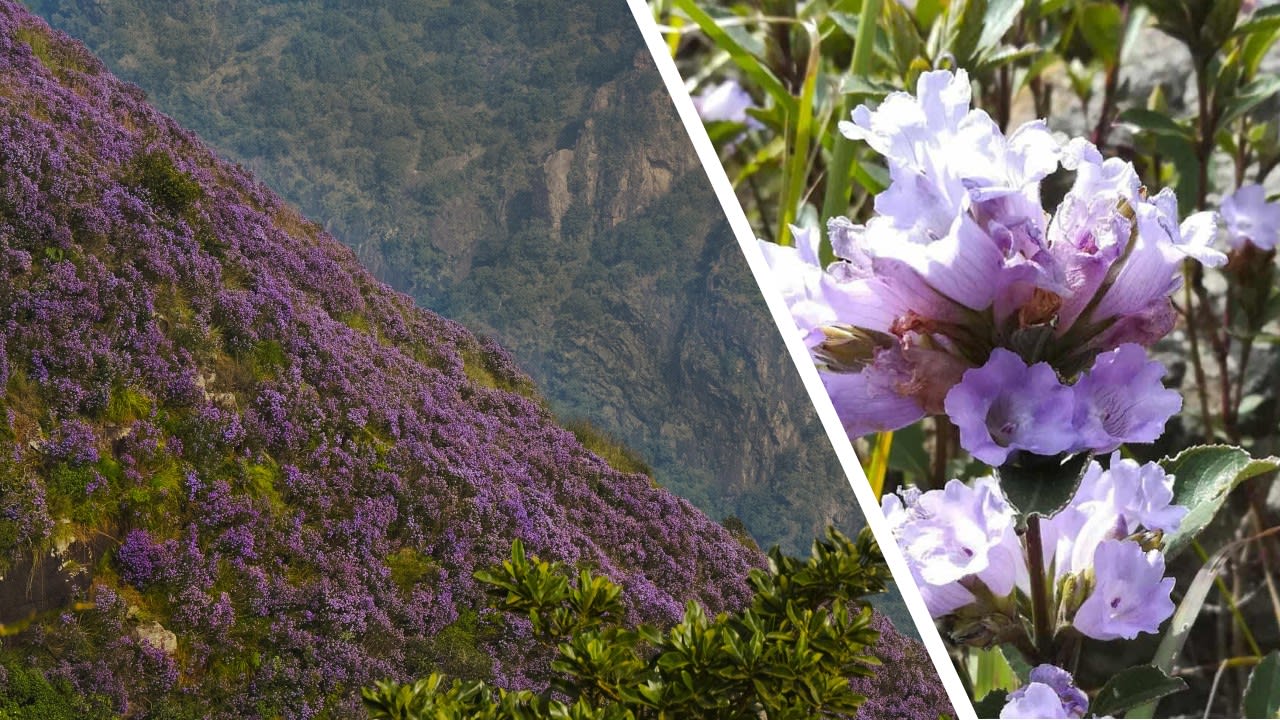
Sri Lanka’s nelu bloom is part of a broader ecological pattern known as masting — synchronized, episodic flowering and fruiting found in many plants worldwide. In India, S. kunthiana (neelakurinji) carpets the Western Ghats every 12 years, transforming its hills into a mesmerizing sea of blue and purple. Across Asia, bamboo species flower in decades-long cycles, sometimes followed by mass die-offs that reshape entire ecosystems.
To safeguard this natural wonder, researchers stress the need for long-term monitoring of Strobilanthes species, better visitor management at Horton Plains, and public education that turns fascination into conservation.
Post a Comment