
Understanding the Regenerative Power of Planarians
For many years, scientists have been fascinated by the incredible regenerative abilities of planarians, a type of triclad flatworm. These creatures have the amazing capability to regrow their entire bodies if needed, making them a subject of intense research. A recent study has uncovered new insights into this process, revealing that the key may lie in the flatworm's pluripotent stem cells and their unique ability to function without the need for a "niche," which is typically a microenvironment that supports and regulates stem cells.
This independence from traditional niches could explain why planarians are so adept at regeneration and might even offer valuable lessons for improving human regenerative capabilities.
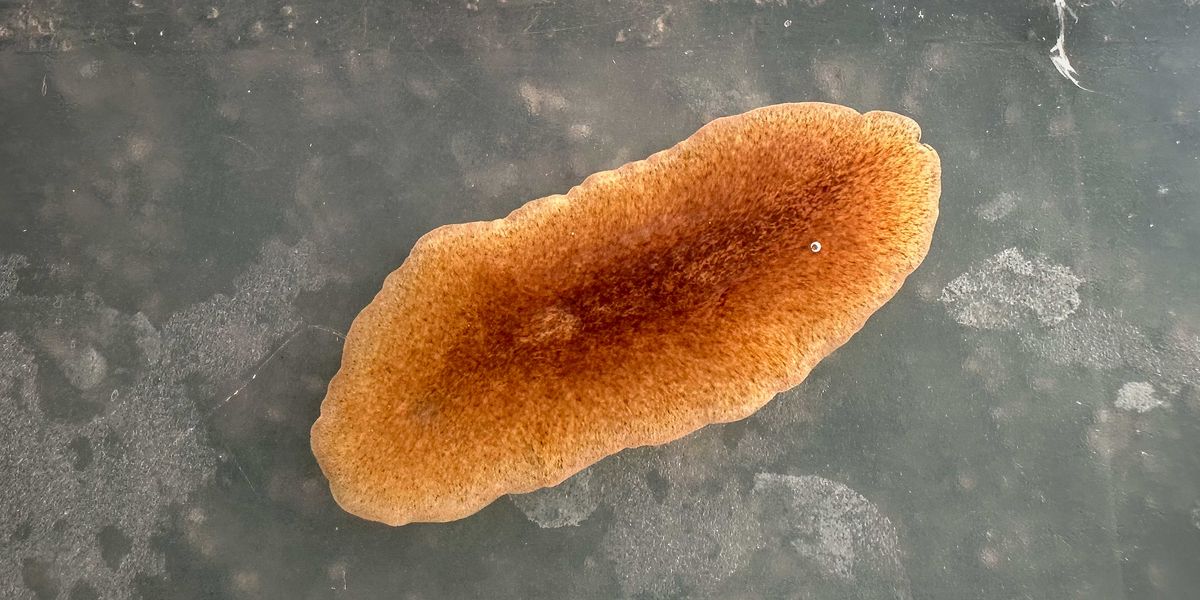
The animal kingdom is full of remarkable biological secrets, and even the simplest creatures can perform feats that seem almost otherworldly to humans. One such example is Schmidtea mediterranea, a freshwater planarian native to the Mediterranean region. This small, two-centimeter-long flatworm has become a popular model for studying regeneration due to its extraordinary ability to regrow its entire body.
If you behead an S. mediterranea, it will not only grow a new head but also regenerate a completely new body. At the core of this regeneration are pluripotent stem cells, which make up about 15% of the planarian's body—compared to just 1% in humans. However, a new study published in the journal Cell Reports suggests that the story is more complex than just the number of stem cells.
Alejandro Sánchez Alvarado, president and chief science officer of the Stowers Institute for Medical Research in Kansas City, has spent years studying planarian regeneration. This latest paper, co-authored by Alvarado, delves into the microenvironment of stem cells known as “niches.” In most animals, including humans, these specialized tissues help maintain and regulate stem cells.
“For instance, human blood-forming stem cells reside in niches within bone marrow where they divide to self-renew and make new blood cells,” said Frederick Mann, a postdoctoral research associate at Stowers and the lead author of the study. “The role of a traditional niche may be more like that of a micromanager—instructing cells, ‘You can be a stem cell, but only one particular type.’”
However, the new study found that planarian stem cells operate differently. Using transcriptonomics, which involves studying RNA molecules in cells, researchers were able to determine which genes were active in specific cells and surrounding tissues. They identified a type of cell with finger-like projections, which they named “hecatonoblasts” after a Greek mythological monster with many arms.
“We were surprised to find that hecatonoblasts were not controlling the fate or function of stem cells, which is counterintuitive to a typical stem cell-niche relationship,” Mann said. “We’ve now shown that having a normal niche may not be essential for stem cells to work. Some stem cells, like those in the planarian flatworm, have figured out a way to be independent and can turn into any type of cell without needing a nearby niche.”
Instead, the study found that stem cells formed the strongest instructions with intestinal cells, which were not located near the stem cells themselves. Blair Benham-Pyle, a co-author of the study from Baylor College of Medicine, described this as a “global communications network” that allows flatworms to respond effectively to major changes in their bodies, such as being beheaded.
Understanding the dynamic stem cell environment in planarians could help scientists develop ways to enhance the regenerative abilities of human stem cells. While it’s unlikely that humans will ever survive a beheading, the humble flatworm may hold the key to developing improved therapies that boost our own healing capabilities.
Post a Comment