
Your Brain Literally Needs Time to Recharge

Think of your brain like a smartphone battery - and just like your phone, it slowly drains throughout the day. When you are working or studying hard, your brain has to resist distractions in order to focus on the task at hand.
Your prefrontal cortex is mostly responsible for this kind of "think-work" as it plays a major role in your ability to concentrate, think logically, and resist impulses. But here's the kicker - this level of concentration gets harder by the minute as your brain expends energy! Cognitive performance severely declines without frequent breaks. Nonstop work results in mental lethargy that damages the capacity of the brain to process information efficiently and focus.
Such continued exertion raises levels of stress and worsens the risk of burnout. It's like trying to drive a car on empty - eventually, you're going to break down.
The Magic of Micro-Breaks

Micro-breaks make individuals feel more vigorous and less fatigued and stimulate them to feel more productive after the break. For clerical (routine tasks) or creative (where divergent thinking is needed) tasks, taking short breaks helps individuals in performing better at subsequent tasks.
We're talking about breaks as short as forty seconds here. Recent research discovered something pretty amazing. A study compared the effects of 40-second views of two different city scenes on 150 university students' sustained attention. Participants completed the task at baseline, were randomly assigned to view a flowering meadow green roof or a bare concrete roof, and completed the task again at post-treatment.
Participants who briefly viewed the green roof made significantly lower omission errors, and showed more consistent responding to the task compared to participants who viewed the concrete roof.
Why Most of Us Skip the Breaks We Actually Need
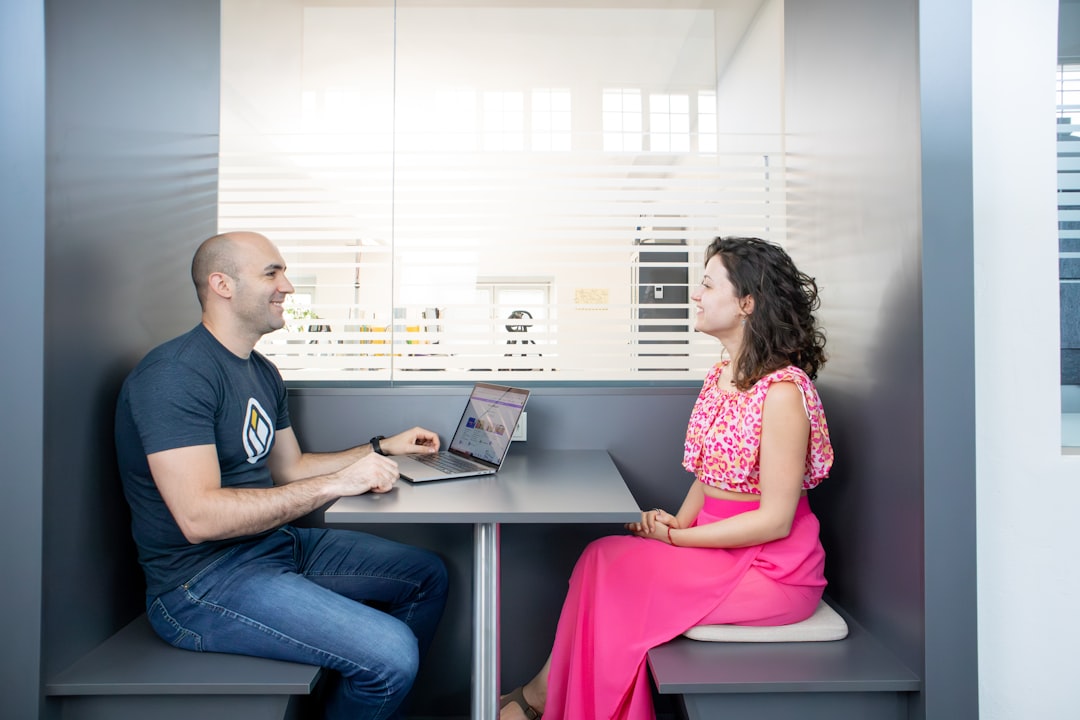
Here's the problem - we've been brainwashed into thinking breaks are for slackers. Many employees still might feel that taking breaks might be perceived as counterproductive behavior. Sound familiar? You're probably one of those people who eats lunch at your desk while scrolling through emails.
Many North American workers believe that taking regular lunch breaks would be looked at negatively by their employers. On average only 1 in 3 workers take a lunch break worldwide. That's absolutely nuts when you consider what the science tells us about productivity.
The Wrong Way to Take Breaks

Not all breaks are created equal, and some can actually make you feel worse. Unfortunately, instead of leaving you feeling replenished, some breaks may have the opposite effect and leave you feeling further depleted.
In particular, scrolling on your phone or surfing the internet can overload your prefrontal cortex with decision-making and can become addictive. Consequently, these types of breaks can make you feel less in control and cause you to experience negative emotions. A recent survey by Huffington Post found that activities like social networking can significantly increase stress. So basically, that Instagram scroll you thought was relaxing? It's actually frying your brain even more.
The Pomodoro Technique Actually Works

You've probably heard of the Pomodoro Technique, but here's what the latest research says about it. The Pomodoro Technique involves allocating 25 minutes to a task followed by a 5-minute break, aiming to enhance productivity. These short breaks, beneficial for memory, aid students in better-recalling information.
Que and colleagues (2023) adopted quasi-experimental research on psychology students to assess the efficacy of the technique. According to their findings, the participants exhibited a 20-percent boost in focus and a 25-percent improvement in memory retention. That's not just feel-good fluff - that's hard data.
Short Breaks Pack a Serious Punch

Even breaks as short as a minute, if they fulfill all the criteria of an effective break, can improve your performance and productivity when you return to work. Yeah, you read that right - sixty seconds can actually make a difference.
4 hours per month. 4 hours per month. That's like getting an extra day and a half of productive time every month just from taking proper breaks.
The Perfect Break Schedule

It is generally recommended to take short breaks every 90 minutes to 2 hours to boost productivity. At least 4 breaks including a long lunch break have been proved great for a productive work day. But here's where it gets interesting - the most productive people don't work more, they break smarter.
The average work-to-break ratio has been reported as 52 minutes of work, followed by 17 minutes of break. This isn't some random number - this pattern emerged from studying the most productive workers in various industries.
What to Do During Your Break

If you want to feel more motivated, you might consider a break that includes movement, whereas if you want to feel more productive, you could consider a break that will engage a different part of your brain by setting a goal or learning something new. For a break that will leave you feeling more creative, consider changing your environment and going outside.
Find activities that give your mind a break and allow you to breathe deeply, laugh, move your body, be creative, or "zone out" on purpose. These kinds of activities will help you re-energize and re-focus. The key word here is "purposeful" - mindless scrolling doesn't count.
The Corporate World is Catching On

Some companies are starting to get it. Some companies like Google have implemented break zones and nap pods, with reports suggesting improvements in productivity and work satisfaction. That's a pretty impressive return on investment for what amounts to some comfortable furniture and a culture shift.
Microsoft Japan's four-day work week boosts productivity by 40%. This initiative led to a 40-percent improvement in efficiency. It proved how valuable the role of deliberate rest plays in significantly improving performance at work. When a tech giant like Microsoft cuts work days and sees productivity go up, maybe it's time to pay attention.
The Cost of Skipping Breaks

Still not convinced? Let's talk about what happens when you don't take breaks. Studies show a 30-percent decline in attention span and a 20-percent deterioration in task efficiency relative to participants who had sufficient rest and took regular breaks. Moreover, according to the American Psychological Association, employees who do not take adequate breaks are more susceptible to stress-related health conditions.
This, in turn, results in a 20-percent decline in productivity and a 25-percent rise in absenteeism. According to reports, American companies lose billions of dollars annually due to sleep-deprived employees who are unable to stay productive. That's billion with a B - and a lot of that could be prevented with better break habits.
Gender Differences in Break-Taking

Here's something that might surprise you about who's actually taking breaks. Research suggests women may be less likely to take breaks than men. This could be tied to workplace culture, family responsibilities, or the pressure to prove themselves in male-dominated fields. Twenty-nine percent of US workers take a lunch break of less than 30 minutes. That barely gives you time to inhale a sandwich, let alone actually recharge your mental batteries.
Recovery Time Varies by Person

Not everyone needs the same amount of recovery time. Research suggests that people high in emotional stability experience a reduced need for recovery after work. Furthermore, extroverts may require fewer and/or shorter breaks than introverts when performing demanding tasks, as they experience lower personal resource depletion.
These findings suggest that the effectiveness of different break-taking techniques may depend on or interact with individual characteristics. This means you need to figure out what works for your personality and work style. Some people might thrive on frequent micro-breaks, while others prefer fewer, longer breaks.
The Science Behind Nature Breaks

There's something special about taking your break outside. Research uncovered attention benefits after a 40 second micro-break with a flowering meadow green roof view. For office workers, this suggests that "green micro-breaks" can provide a simple and effective strategy for boosting attention between longer breaks.
Research demonstrates that even a modest area of flowering meadow can boost attention. Evidence suggests that viewing nature can also help improve attention spans. Being able to maintain our attention to concentrate on tasks and ignore distractions is important for everyday life. At work, better concentration helps us stay on track, attend to important information, block out distracting email alerts and chatting colleagues.
Making Breaks Stick

Agree break times with your peers and help each other to stick to the break time you've agreed. Set an alarm on your phone to prompt you. Plan to do something in your break that you enjoy – the anticipation of pleasure will motivate you to keep to the break. You might even consider making a "break menu" of activities that meet one or more of the criteria above.
That way, instead of instinctively pulling out your phone to check social media, you already have a premade list of activities that you can choose from. It's like meal prepping, but for your mental health.
Conclusion

The science is crystal clear: breaks aren't a luxury, they're a necessity. Your brain literally needs downtime to function at its best, and the research proves that strategic breaks can boost productivity, creativity, and overall well-being. Whether it's a forty-second glance at some greenery or a fifteen-minute walk around the block, taking breaks is one of the simplest ways to improve your work performance.
The most productive people aren't the ones who work the longest hours - they're the ones who work smarter by giving their brains the recovery time they need. So the next time someone gives you grief for taking a break, just remind them that you're following science-backed productivity advice. After all, wouldn't you rather be efficient than exhausted?
Post a Comment