
The Search for Purpose in a Chaotic World
In today’s world, it often feels as though everything is unstable. Economic uncertainty dominates, politics and the environment are in disarray, and scientific experts and government workers have been sidelined. Many fear their jobs could be replaced by artificial intelligence. It's no surprise that historic levels of Americans report being depressed, anxious, and lonely. Fewer people say they are very satisfied with their lives than at any point since Gallup began asking the question a quarter-century ago.
However, there may be a practical way to stay on a meaningful path—a sort of happiness hack for our chaotic times. A six-year study from Cornell adds to compelling evidence that the most efficient route to human flourishing might be simpler than we think. While there's no magic solution when it comes to well-being, the evidence suggests that articulating one’s purpose can have significant mental and physical health benefits.
Gen Z and the Power of Contribution
Gen Z is often portrayed as coddled, narcissistic, and addicted to phones. But according to Cornell psychologist Anthony Burrow, this generation is just as purposeful as previous ones. Since 2019, Burrow has given about 1,200 college and high school students $400 to use “to pursue what matters most” to them—something that benefits their community, family, or even themselves.
Before awarding the funds, he tests all applicants on standard measures of well-being. After eight weeks, those who received the contributions scored significantly higher on measures like well-being, sense of purpose, and feeling needed. Burrow believes that inviting people to think about contributions they want to make can lead to greater purpose.
This is good news for a generation seen as lost. It suggests that deep down, Gen Zers are as purposeful as previous generations and that it doesn’t take much to cultivate that innate sense. Parents and schools can replicate this approach to foster purpose in kids and students.
The Simplicity of Purpose
We’ve been seeking happiness through various self-help methods involving mindfulness, gratitude, and resilience. However, maybe we’re overthinking it. In these difficult times, the most efficient path to contentment might be to focus on purpose and take small steps toward fulfilling it.
Psychology professor Todd Kashdan emphasizes the importance of an outward-focused mindset. Instead of obsessing over internal chatter, focusing on purposeful pursuits can reduce internal difficulties. Studies show that people with social anxiety and PTSD who focus on purpose experience higher self-esteem and positive emotions.
Philosophers like Aristotle and Nietzsche believed that a purposeful life leads to fulfillment. Psychiatrist Viktor Frankl argued that happiness is not pursued but ensues as a side effect of dedication to a cause greater than oneself.
Research on Purpose and Health
Recent research shows that a greater sense of purpose is linked to reduced inflammation under stress, lower risk of cardiovascular disease, slower cognitive decline, and greater longevity. Purposeful people are more adaptable during setbacks.
Psychologist Kendall Cotton Bronk argues that the real path to happiness is focusing on others and contributing to their well-being. She suggests regular purpose check-ins, asking what the world is missing and how you can fill that gap.
Personal Experiences with Purpose
The author reflects on their own journey, shifting from political journalism to a more purposeful path. They now focus on using their skills to heal the planet, communities, and politics. This shift, while challenging, has reduced anxiety and increased meaning.
Experts suggest regular purpose check-ins, such as asking what lights you up and committing to specific contributions. Burrow notes that these contributions don’t need to be major; they can fit into daily routines.
The Role of Parents and Schools
Parents can help children develop a sense of purpose by reflecting on their own purpose and sharing it with their kids. They can ask questions about what children want to accomplish and what they're good at. Online tools are available to help adolescents explore purpose.
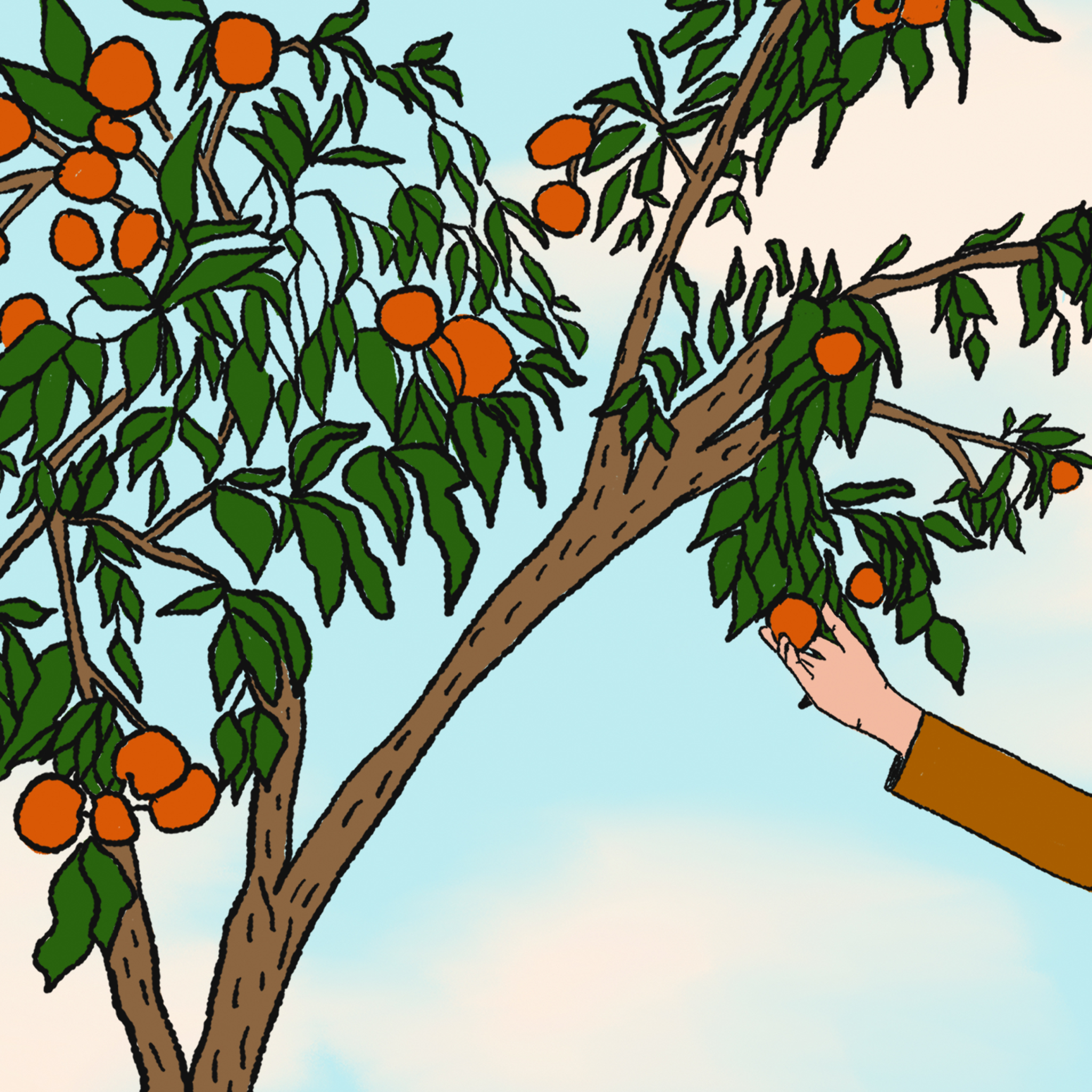
Burrow’s project emphasizes community contributions, and many Gen Zers choose to benefit others. For example, one student used the money to plant a persimmon tree on campus, which brought immediate joy and a sense of impact.
For an “anxious” and “narcissistic” generation, this is no small thing. As one participant said, “Everyone wants to love and be loved.” And hearing that makes a difference.
Post a Comment