
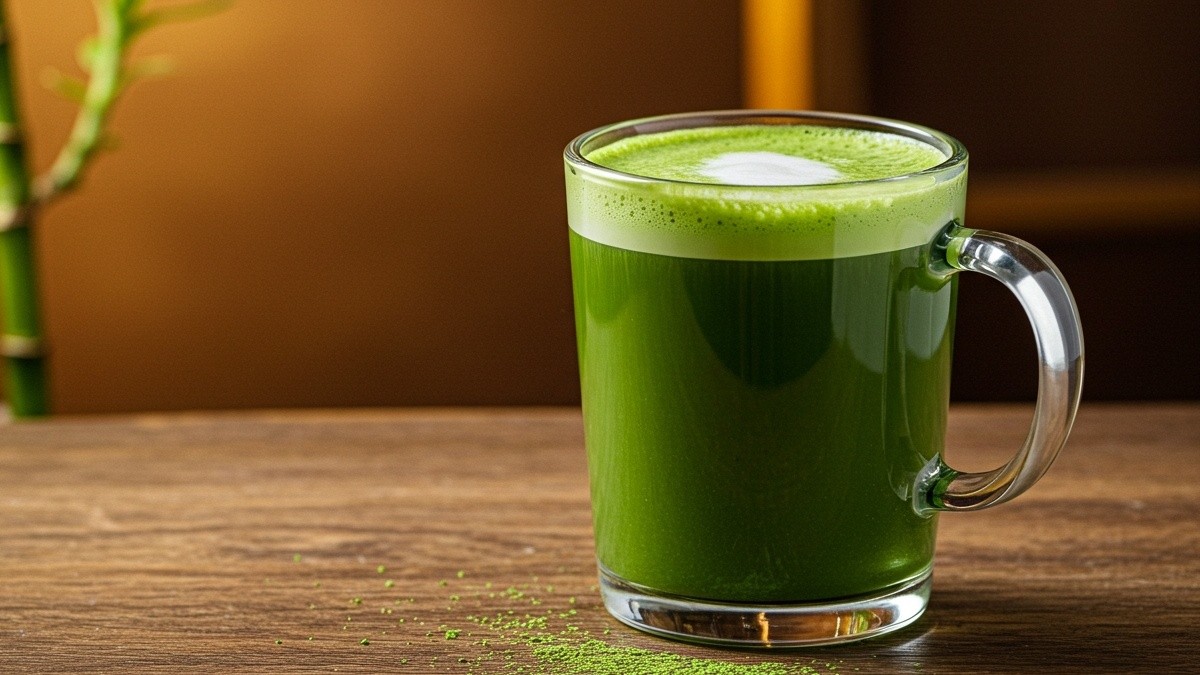
The Rise of Matcha: Beyond a Trendy Beverage
Matcha, the vibrant green tea powder that originated in Japanese ceremonies, has transcended its role as a trendy latte ingredient. It has now become a cornerstone of fitness and healthy eating, celebrated by nutritionists and athletes for its scientifically backed benefits. Unlike the quick, intense spike of coffee, matcha delivers a state of calm, focused energy that simultaneously turbocharges metabolism and fat burning.
If your goal is sustained energy, better weight management, and enhanced cognitive function, understanding the unique composition of matcha is key to unlocking your next fitness level.
The Science Behind the Green Power Surge
Matcha is unique because the entire tea leaf is stone-ground into a fine powder, meaning you consume 100% of its nutrients. This results in a dramatically higher concentration of beneficial compounds than traditional brewed green tea.
The EGCG Fat-Burning Engine: Matcha is exceptionally rich in catechins, particularly Epigallocatechin Gallate (EGCG). Research indicates that EGCG has thermogenic properties, meaning it can boost the body’s resting metabolic rate and significantly increase fat oxidation (the process of converting stored fat into energy), especially when consumed before exercise. It essentially primes your body to burn fat more efficiently during your workout.
Focus Without the Crash (L-Theanine): The secret to matcha's signature "calm alertness" is the high concentration of the amino acid L-Theanine. This compound works in synergy with the caffeine present in matcha. While caffeine provides energy, L-Theanine promotes alpha brain wave activity, which is associated with a state of relaxed focus and clarity. This combination eliminates the anxious jitters and subsequent energy crash often associated with traditional coffee, making it the perfect fuel for both intense training and deep work.
Antioxidant Supercharge: Being a whole leaf powder, matcha delivers a massive dose of antioxidants, which are crucial for fighting free radicals. In the context of fitness, this helps reduce muscle inflammation and oxidative stress after a tough workout, supporting faster and more efficient recovery.
How to Integrate Matcha into Your Fitness Routine
Making matcha a daily habit is simple, but the preparation method is crucial for maximizing its health benefits and flavor.
Expert Recommendations & Tips:
-
Pre-Workout Power-Up: Consume a cup of matcha about 30 minutes before your workout. The combination of caffeine and EGCG will optimize your body for fat burning and give you sustained endurance.
-
The Perfect Home Brew:
- Sift First: Always sift your matcha powder (1-2 teaspoons) to prevent clumping.
- Temperature Matters: Use hot water (around 170°F/77°C), not boiling water, which can make the tea taste bitter or "burnt."
- Whisk Vigorously: Use a bamboo whisk (chasen) or a small frother to mix the powder with a small amount of water in a rapid 'W' or 'M' motion until a light layer of foam forms.
-
Avoid Sugar: To maximize its health and weight loss benefits, avoid refined sugar. Use a splash of unsweetened almond or oat milk for a latte, and sweeten sparingly with natural alternatives like a tiny amount of honey or stevia, if needed.
-
A Metabolism Hack: Substitute your usual sugary morning beverage or afternoon slump fix with a simple, pure matcha drink to leverage its metabolic boost and natural appetite-suppressing qualities.
Conclusion
Matcha offers a powerful blend of benefits that go beyond just taste. From its ability to enhance focus and provide sustained energy to its role in boosting metabolism and aiding recovery, matcha is more than just a beverage—it's a lifestyle choice. By incorporating matcha into your daily routine, you can unlock new levels of performance and well-being. Whether you're an athlete, a busy professional, or someone looking to improve their health, matcha can be a valuable addition to your fitness journey.
Post a Comment