
The Science Behind the Magic of Pixar
Classic Pixar films like "Finding Nemo" and "Inside Out" are celebrated for their stunning visuals and heartfelt stories. However, the magic that brings these films to life involves a significant amount of science. One of the most fascinating ways to explore this is through COSI's newest exhibit, "The Science Behind Pixar." This exhibit showcases how the studio has revolutionized the animation industry since the release of its groundbreaking film "Toy Story" in 1995.
Exploring the Filmmaking Process
The traveling exhibit takes visitors on an immersive journey through eight key steps of the filmmaking process: modeling, rigging, surfaces, sets and cameras, animation, simulation, lighting, and rendering. These steps are illustrated around six large statues of iconic characters, making the experience both educational and engaging.
For kids and adults alike, there are interactive activities that bring the process to life. For example, visitors can pick paint for "Cars" vehicles or help the "Luxo Jr." lamp jump, which demonstrates the principles of stop-motion animation. These hands-on experiences make the complex science behind animation more accessible and fun.
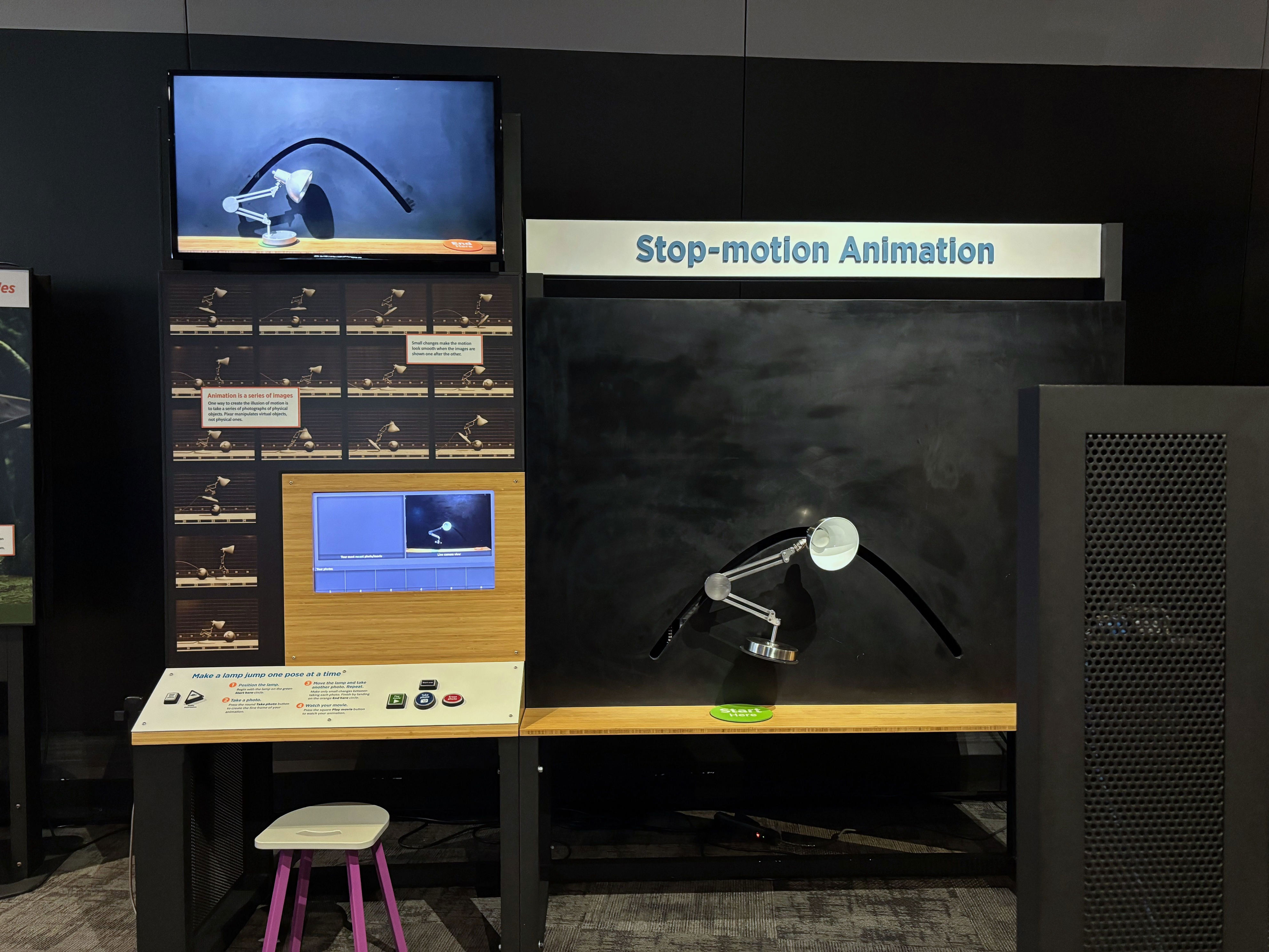
Pixar's Oscar-winning 1986 short film "Luxo Jr.," starring the now-iconic lamp, is in the National Film Registry. This film marked the beginning of Pixar's journey in computer animation and is a testament to the studio's early innovation.
Technical Details and Surprising Insights
The videos and displays in the exhibit can get quite technical, but they are designed to be enjoyable for all ages. Like the movies themselves, the exhibit is more than just a photo opportunity. It offers a deep dive into the creative and scientific processes that go into making Pixar films.
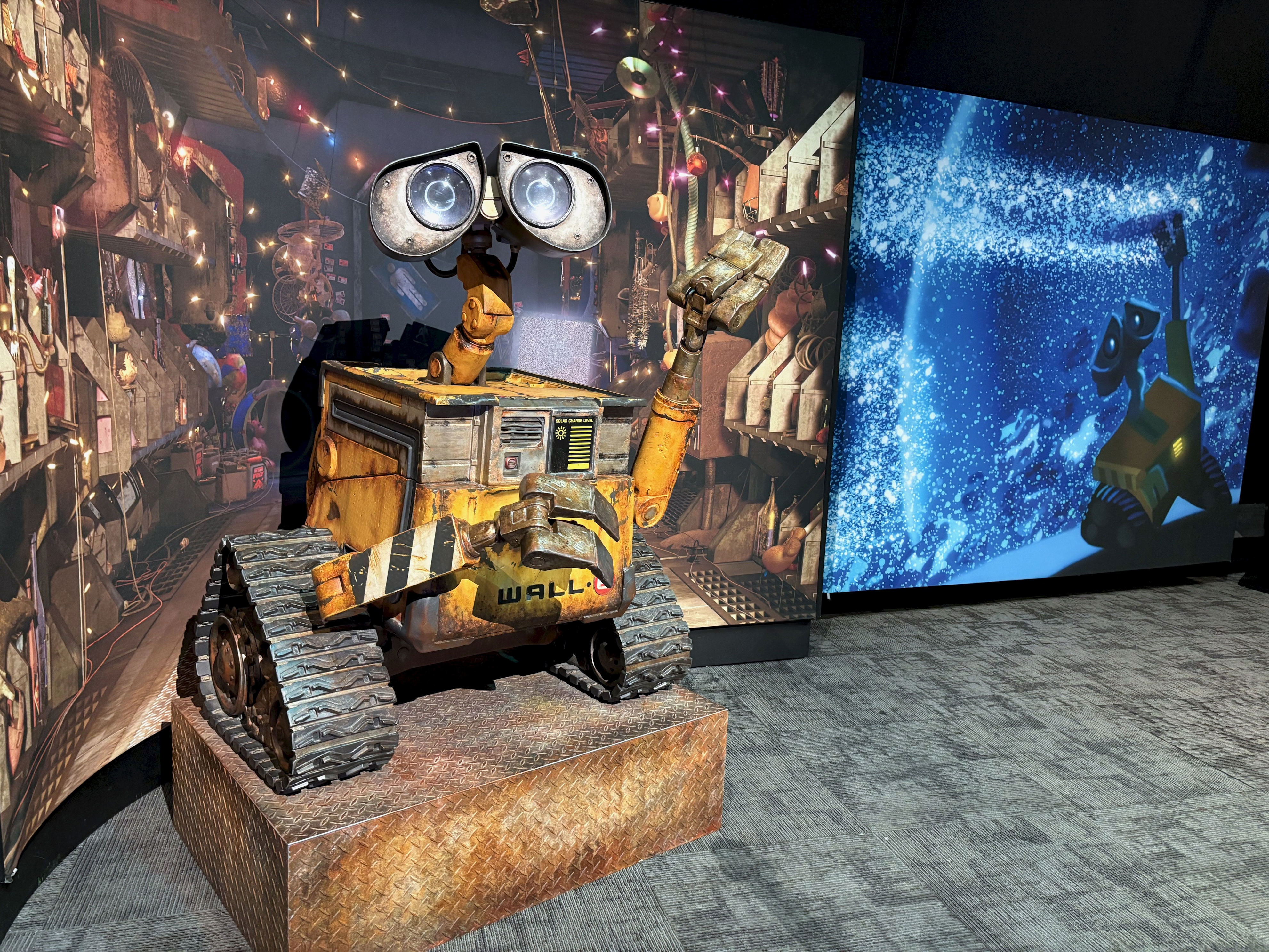
The character statues are not only great photo opportunities but also serve as educational tools. For instance, guests are encouraged to photograph WALL-E to learn about camera angles. This approach makes learning about animation both fun and informative.
One of the most intriguing aspects of the exhibit is the insight into the creation of new software to animate Merida's 1,500 fiery ringlets in "Brave." These ringlets mimic springs, showcasing the complexity involved in bringing such details to life.
The Power of Rendering
Rendering, the final step that turns data into images, is a time-consuming process. It takes around 24 hours to process a single frame. Pixar's "rendering farm" of 2,000 computers helps speed things up, but it still took two years to render the 104-minute "Monsters University."
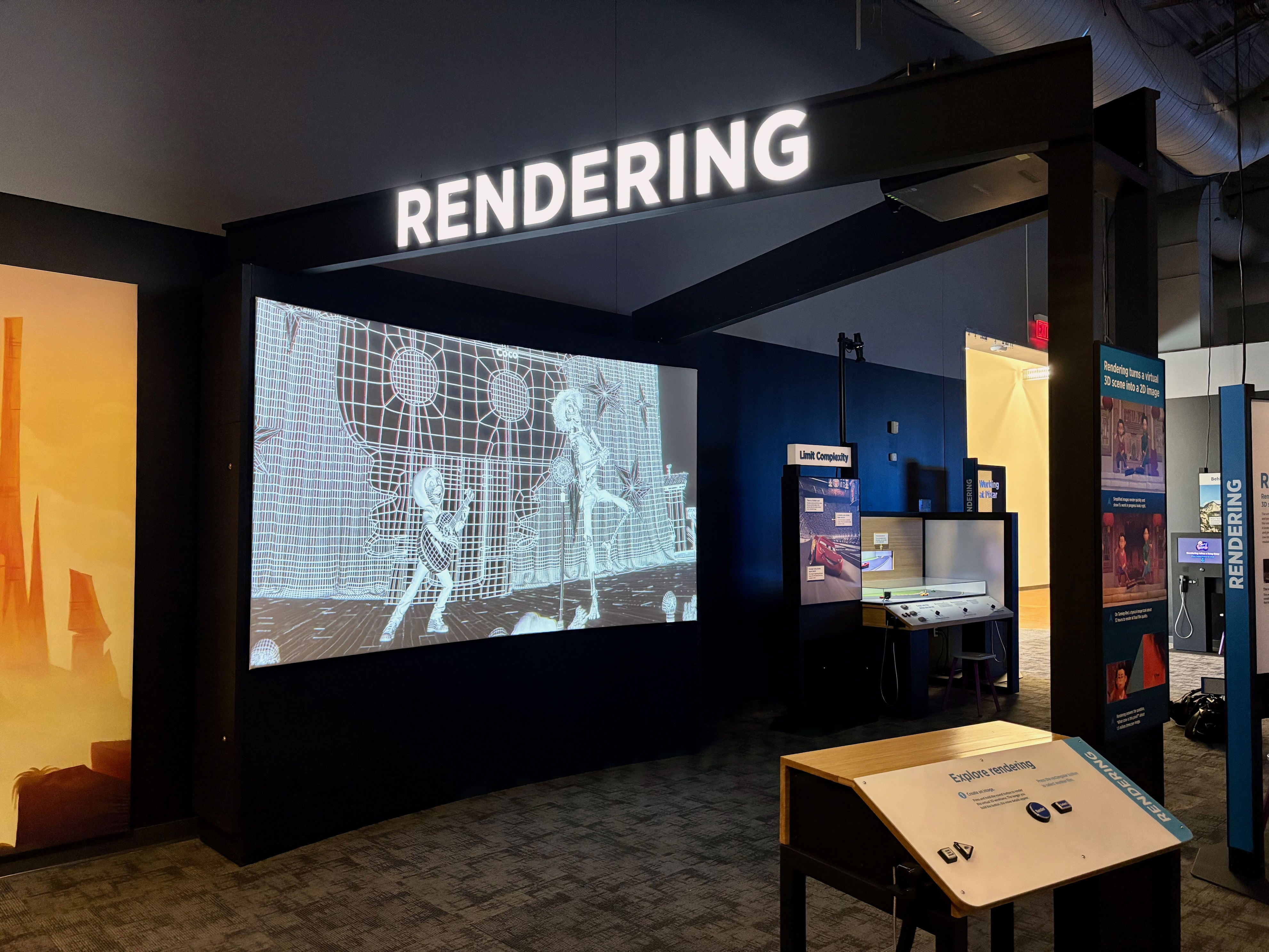
A scene from 2017's "Coco," pre-rendering.
Personal Reflections and New Appreciation
As someone who grew up with hand-drawn, 2D animations, I initially assumed that computer-animated films were cheaper and easier to make. However, after exploring this exhibit, I have developed a newfound respect for the work that goes into creating these films. I'll definitely be thinking about this when I see "Toy Story 5" next summer.
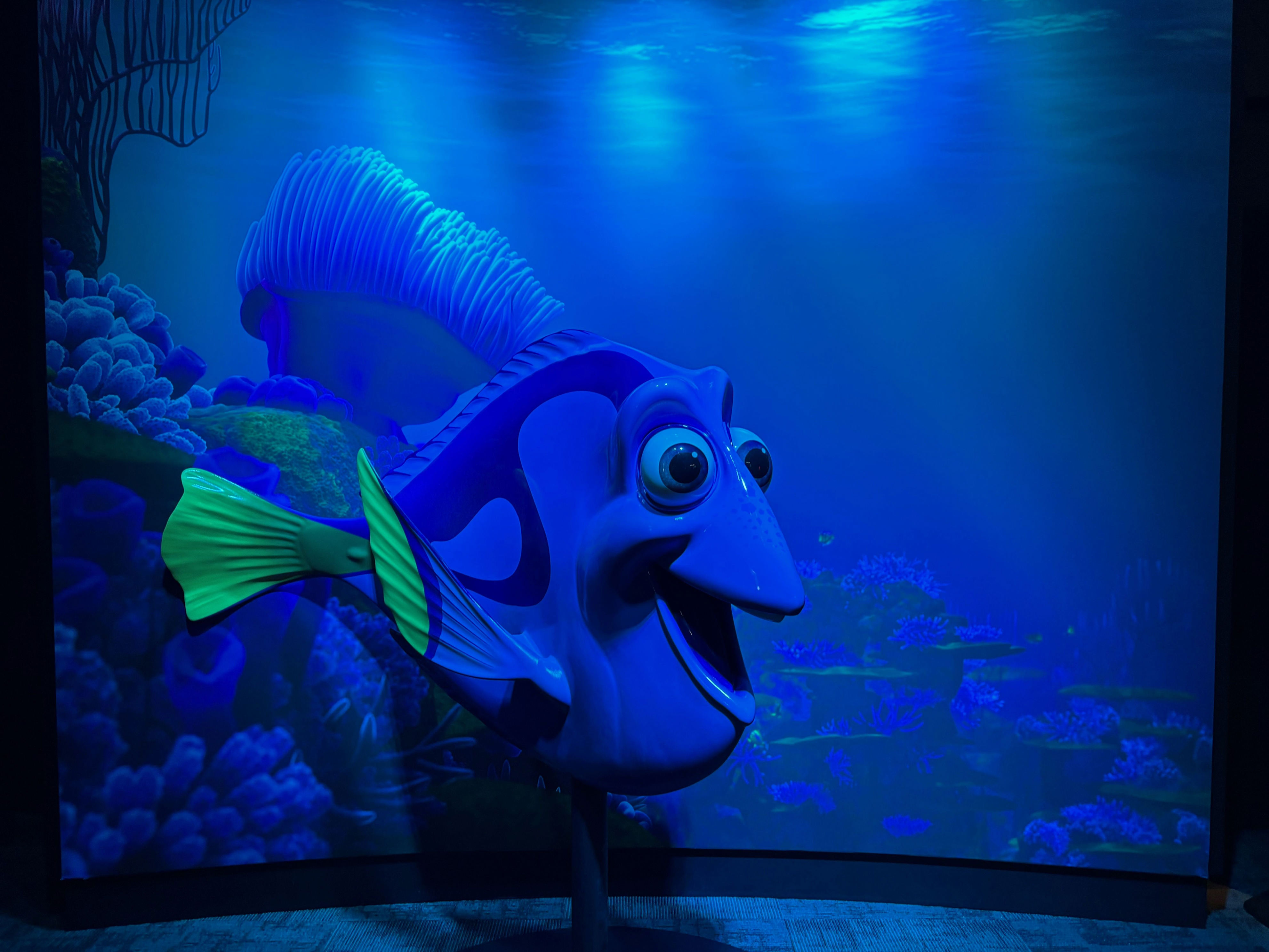
Dory, everyone's favorite forgetful blue tang, demonstrates how lighting effects can recreate spaces underwater.
A Fun and Educational Experience
The exhibit is a free-roaming experience, with a realistic Ant Island from 1998's "A Bug's Life" at its center. The themed entrance and signs throughout COSI are also great photo opportunities.
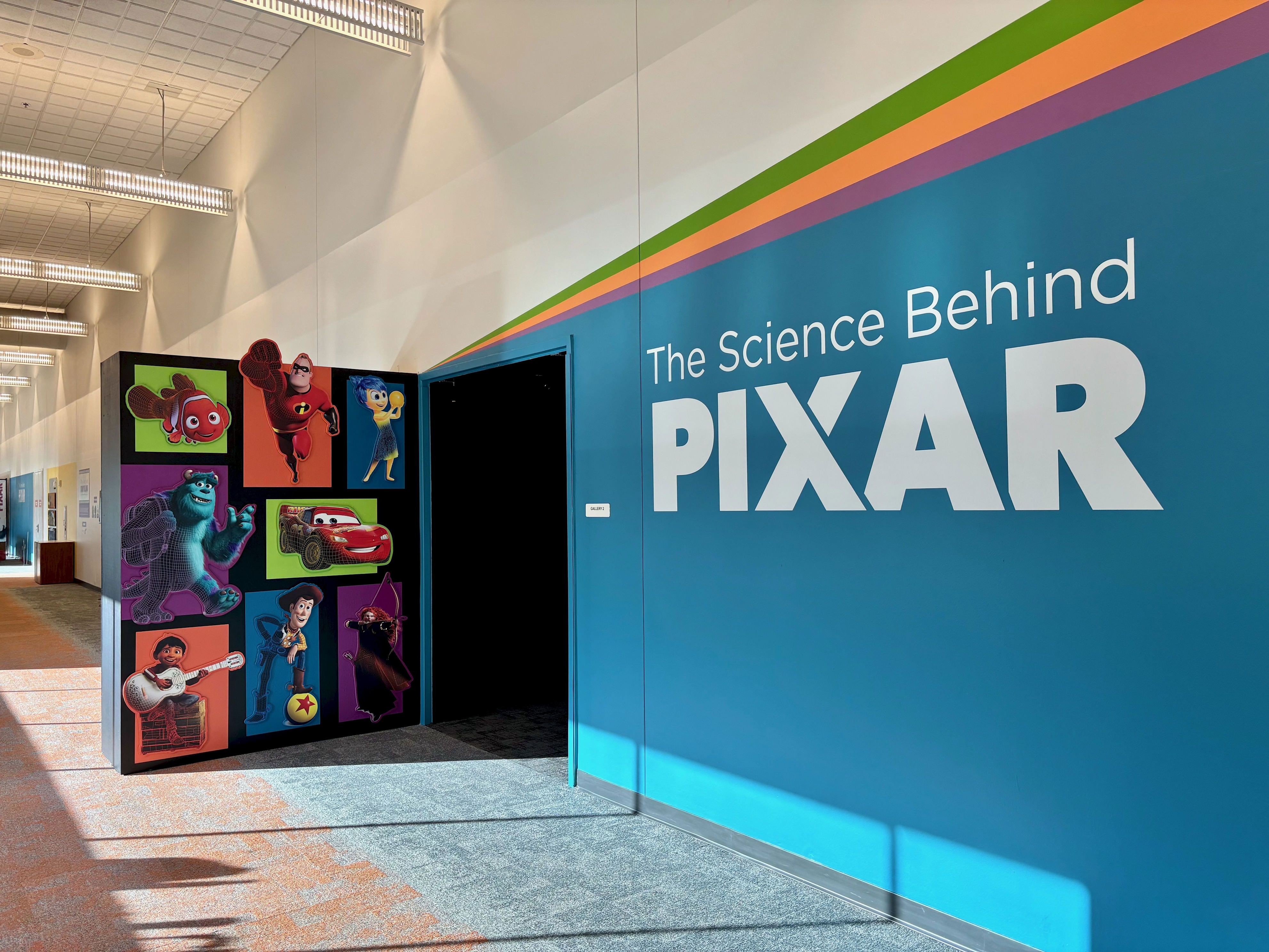
The exhibit's themed entrance — and signs throughout COSI — are photo opps, too.
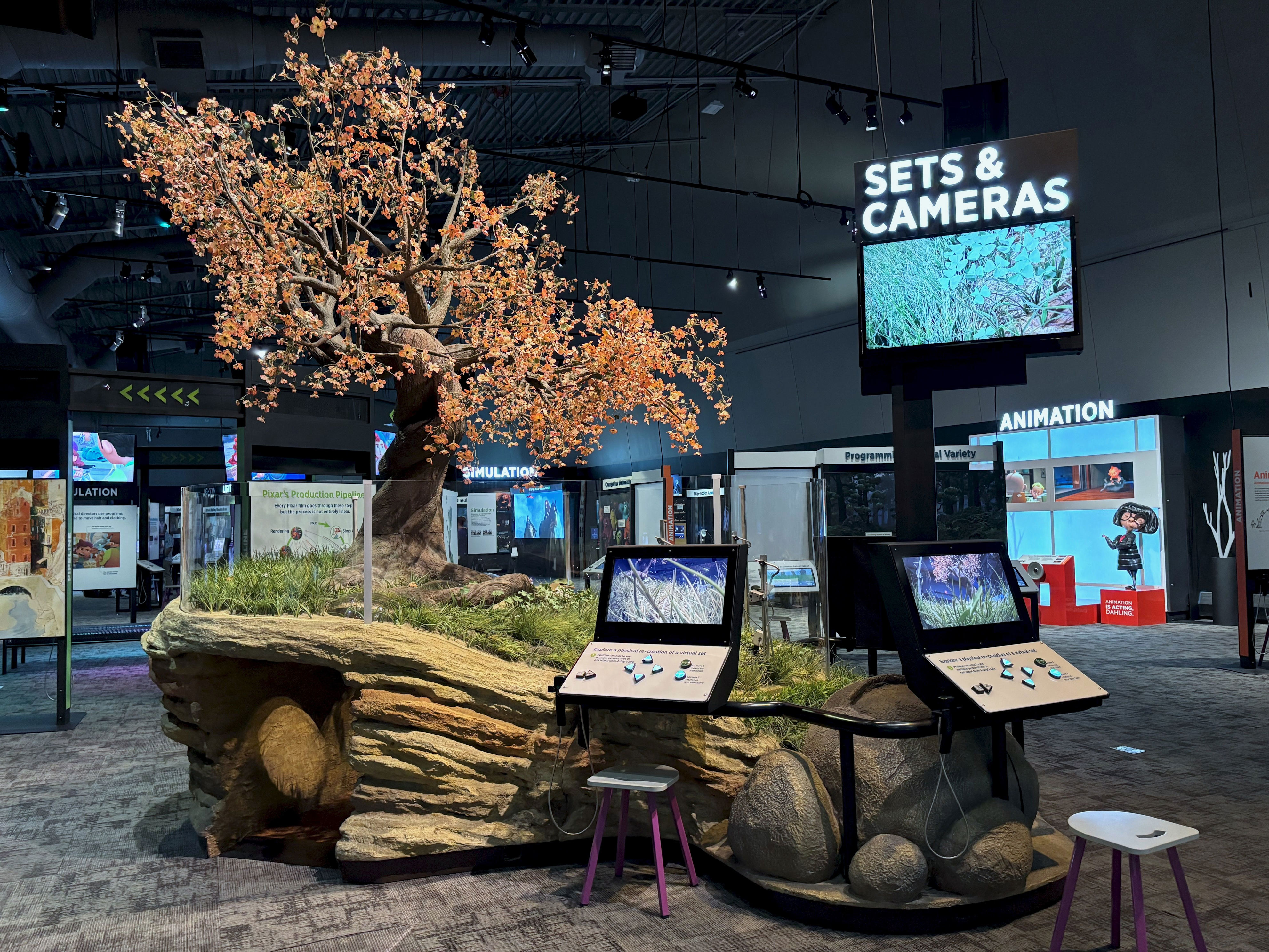
"The Science Behind Pixar" is a free-roaming exhibit, with a realistic Ant Island from 1998's "A Bug's Life" at its center.
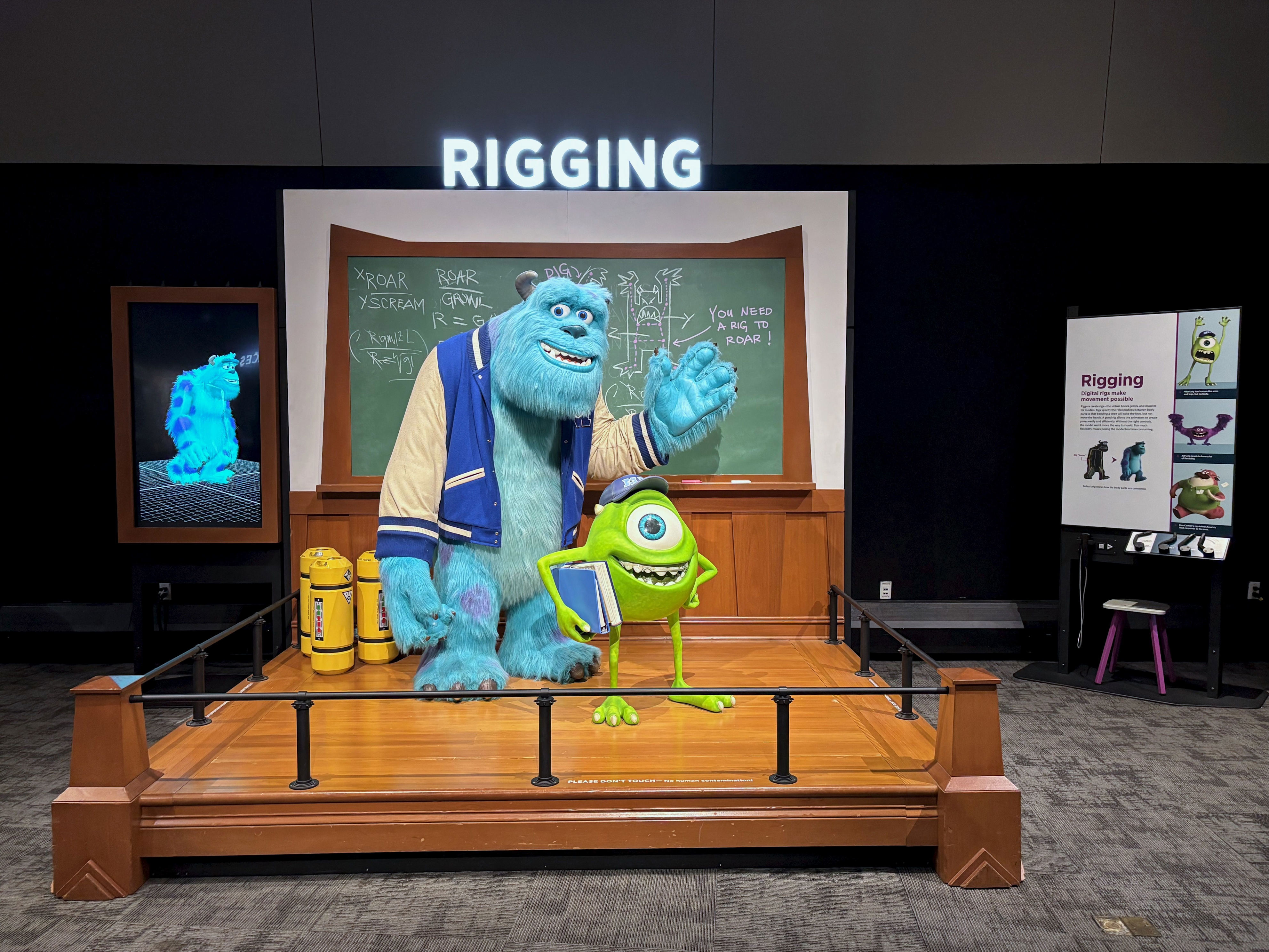
Rigging, or creating a movable skeleton for characters, was particularly challenging for 2001's "Monsters, Inc."
Despite involving some serious science, the exhibit still has a sense of humor that fans will appreciate.
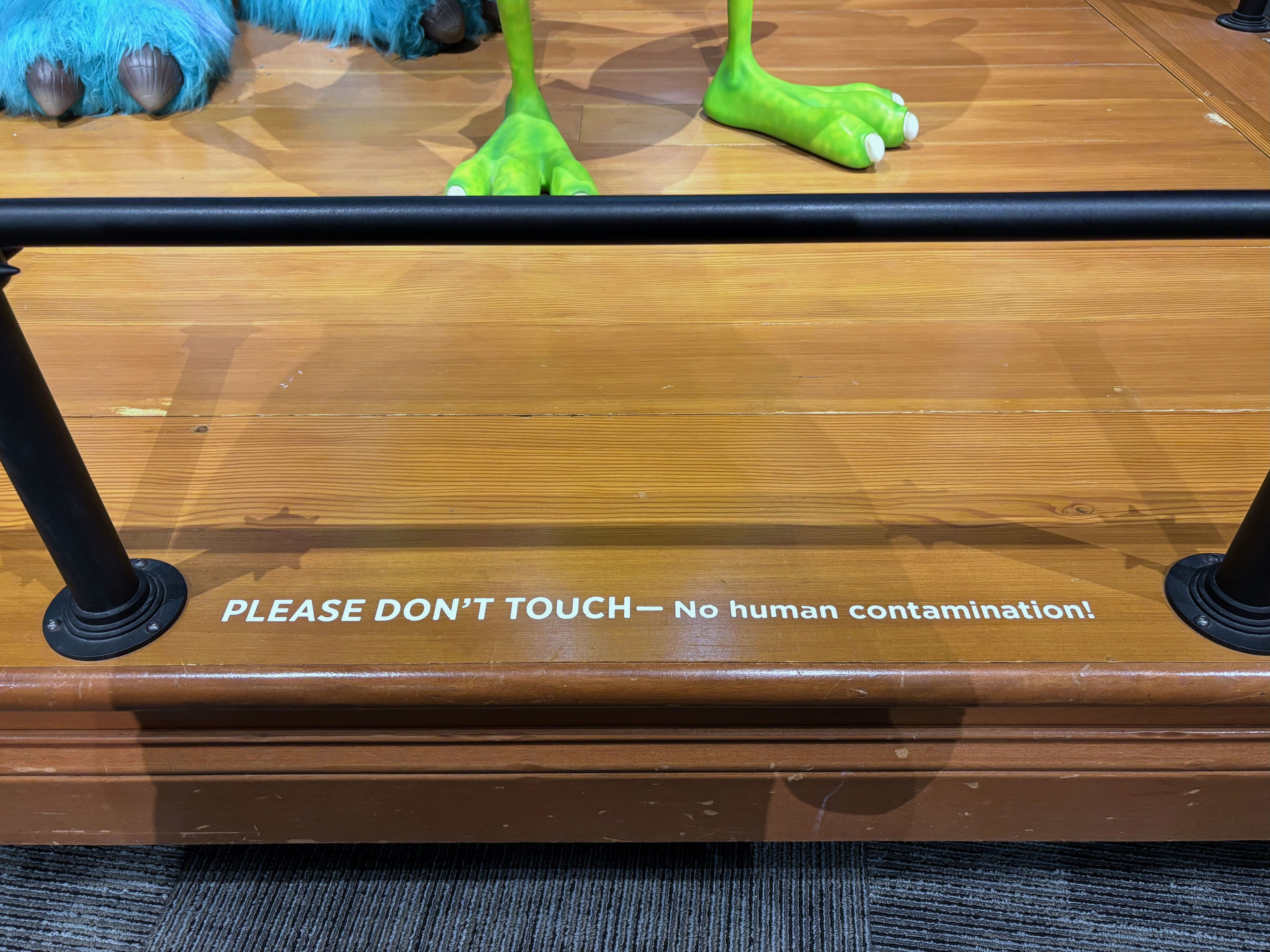
Despite involving some serious science, the exhibit still has a sense of humor that fans will appreciate.
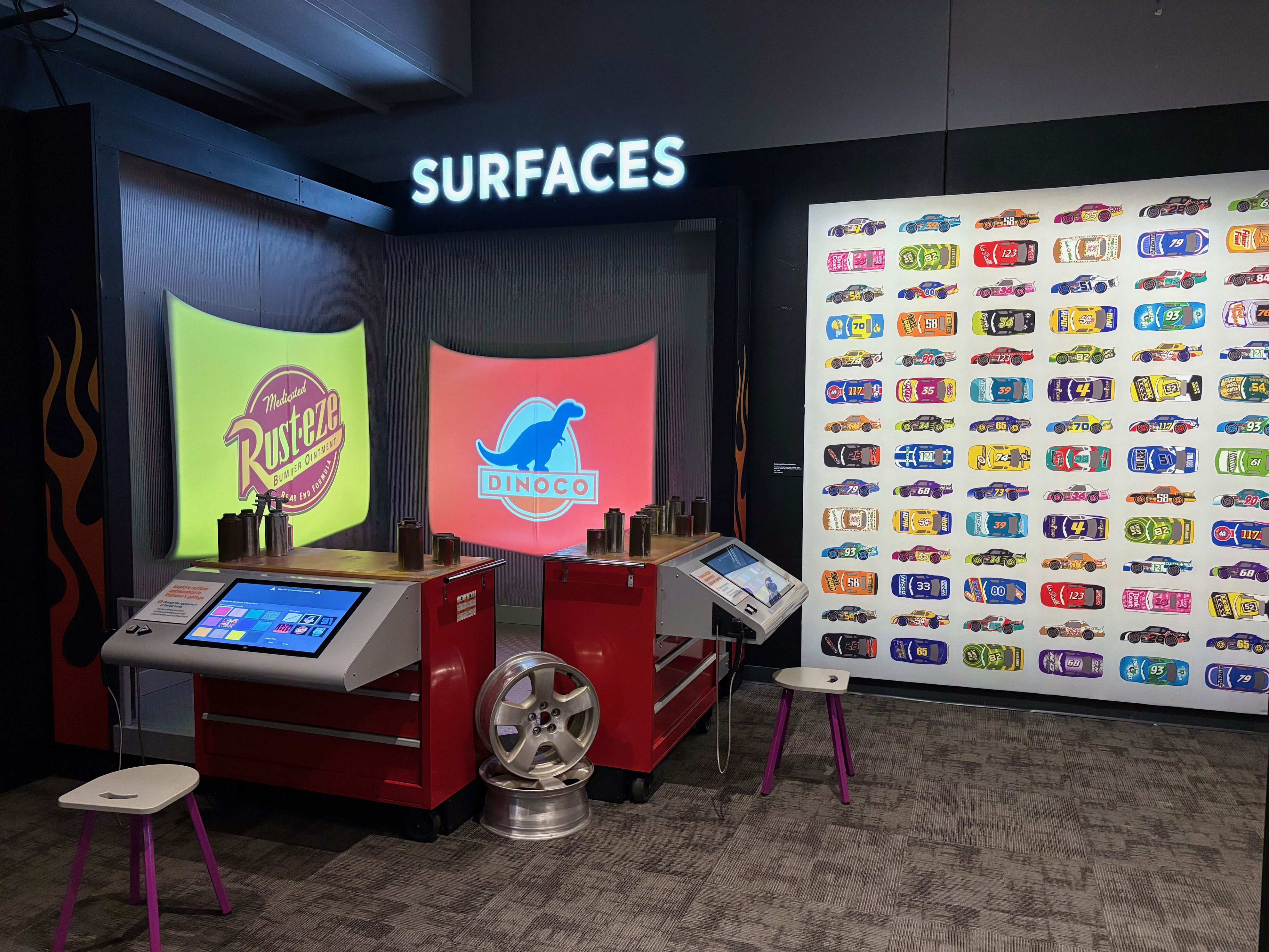
The 2006 film "Cars" accelerated the technology used to make realistic, reflective surfaces.
Visit the Exhibit
The exhibit is open until May 25. Tickets are $15 on top of COSI admission ($10 for members). Whether you're a fan of animation or simply curious about the science behind the magic, this exhibit is a must-see.
Post a Comment