
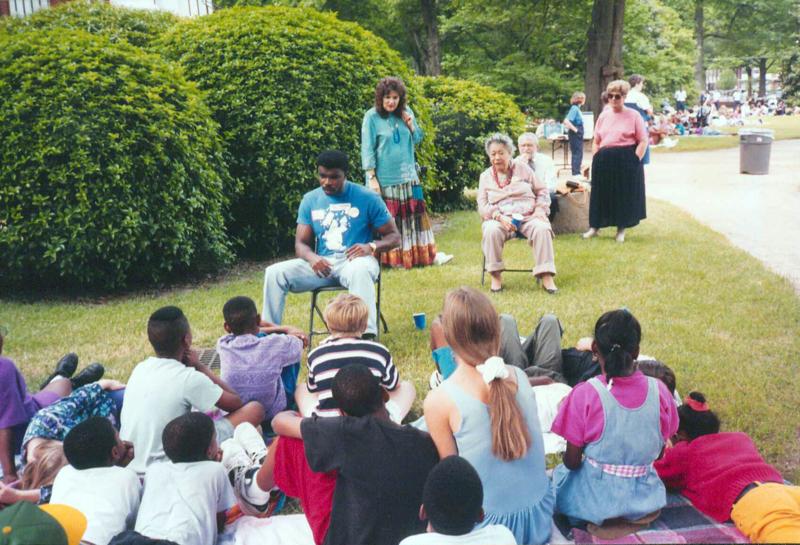
The Power of Storytelling and Its Role in Our Lives
Storytelling is an essential part of the human experience. From the moment we are born, we are immersed in stories—fairy tales, family legends, and cultural narratives that shape our understanding of the world. As we grow, we begin to tell our own stories, not just as a form of entertainment but as a way to express who we are and how we connect with others.
Telling stories is more than just a pastime; it's a fundamental way we make sense of our lives. We use stories to navigate our emotions, understand our place in the world, and find meaning in our experiences. Whether it's a tale from our childhood or a personal anecdote shared with loved ones, stories help us define ourselves and our relationships.
Why Stories Matter
Anthropologist Laurens van der Post once described the importance of storytelling through the lens of the San people of Southern Africa. He noted that for them, a story was not just a narrative—it was a vital thread that connected individuals to their families, communities, and future. Without a story, there was no identity, no continuity, and no sense of belonging. This idea underscores the deep-rooted significance of storytelling in human culture.
Stories serve multiple purposes. They entertain, educate, heal, and transform. Irish author Niall Williams captured this well when he wrote, “We tell stories to pass the time, to leave the world for a while, to go more deeply into it. We tell stories to heal the pain of living.” Through storytelling, we can process our emotions, reflect on our experiences, and find comfort in shared struggles.
The Journey of Storytelling
Our journey through storytelling begins with the stories we inherit—those passed down through generations. These might include religious texts, folktales, or classic literature. These foundational stories provide a sense of identity and belonging, shaping the values and beliefs we carry into adulthood.
As we grow older, we begin to explore our own personal stories. These are the memories and experiences that define us, often revealing both joy and sorrow. Telling these stories allows us to reflect on our past, understand our present, and shape our future. It’s a process of self-discovery that helps us identify our strengths, confront our weaknesses, and take responsibility for our actions.
Expanding Our Horizons
The next step in the storytelling journey involves encountering the stories of others. These are the narratives of people outside our immediate circle, offering new perspectives and challenging our assumptions. For example, living in a different culture or learning about the history of a community can reveal hidden truths and broaden our understanding of the world.
This expansion of perspective is crucial for personal growth. By listening to the stories of others, we gain empathy, learn from different experiences, and become more compassionate individuals. It also helps us recognize the limitations of our own views and encourages us to think critically about the stories we’ve been told.
Connecting with the Earth
Beyond our human connections, storytelling also includes the stories of the natural world. This is where we begin to see our place within the larger web of life. Authors like Rachel Carson and Jane Goodall have inspired many to reconnect with nature and recognize the importance of environmental stewardship.
This connection to the Earth is a vital part of our identity. It reminds us that we are not separate from nature but deeply intertwined with it. By telling the story of our relationship with the planet, we honor the legacy of those who came before us and commit to protecting the world for future generations.
The Intrinsic Story
Finally, the most profound level of storytelling is the intrinsic story—the one that reveals the deeper patterns and meanings in our lives. This is where our personal experiences align with universal themes and archetypes. It’s a journey of reflection that helps us see how our lives fit into a larger narrative.
Through this process, we begin to understand the significance of our choices, the impact of our actions, and the direction of our lives. It’s a journey that requires courage and honesty, but it ultimately leads to a greater sense of purpose and fulfillment.
Embracing the Storytelling Journey
In the end, storytelling is not just about sharing tales—it’s about discovering who we are and what we stand for. It’s a powerful tool for self-expression, connection, and transformation. As we journey through our stories, we uncover the truth of our existence and find ways to live more authentically.
So, take a moment to reflect on your own story. What lessons have you learned? What challenges have shaped you? And what do you want to create for yourself and those around you? The answers may be found in the stories we tell—and the stories we choose to listen to.
Post a Comment